
Ajisai Mamori: Japanese Hydrangea Charms for Rainy Season
A rainy-season Japanese custom for bringing hydrangeas, protection, and seasonal beauty into the home.
Get the HanaYou Ikebana Journal in your inbox.
Hello flower lovers,
June is hydrangea season in Japan.
As the rainy season begins, hydrangeas appear in gardens, temple grounds, and small neighborhood corners. They are beautiful flowers to see in the rain, but they are also connected to a lesser-known seasonal custom: ajisai mamori, or hydrangea charms.
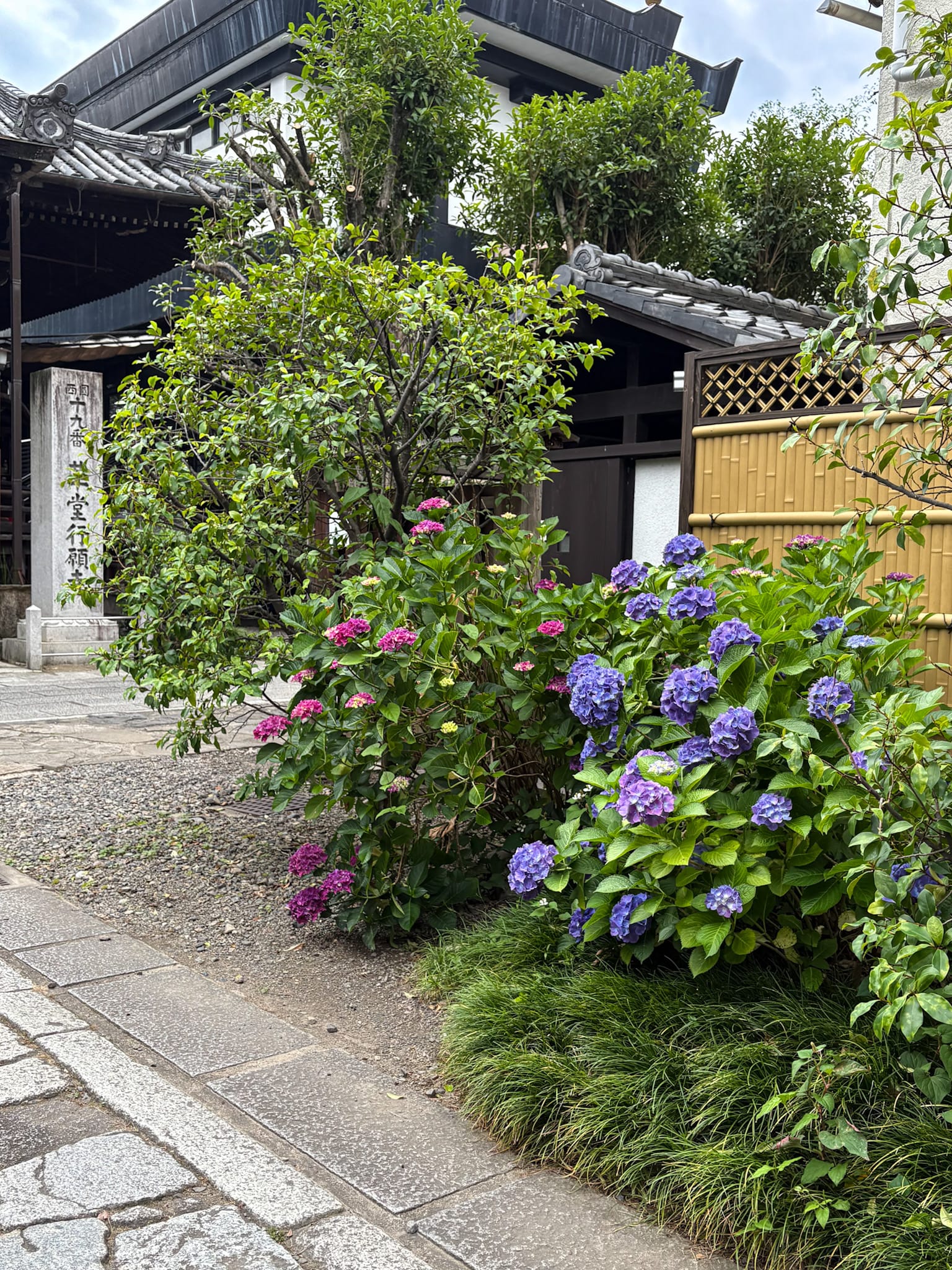
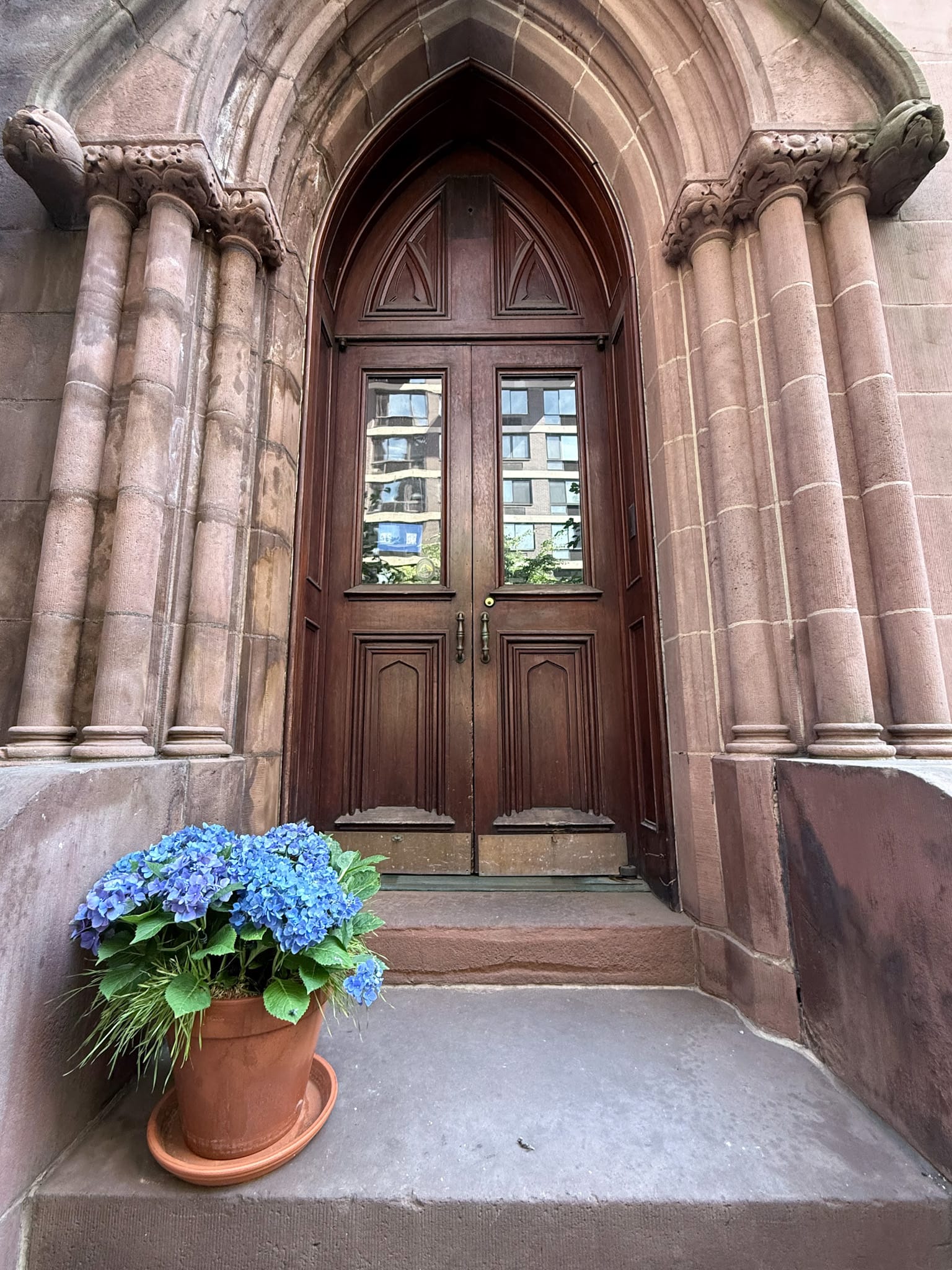
Hydrangeas in Kyoto and in New York City's Upper East Side
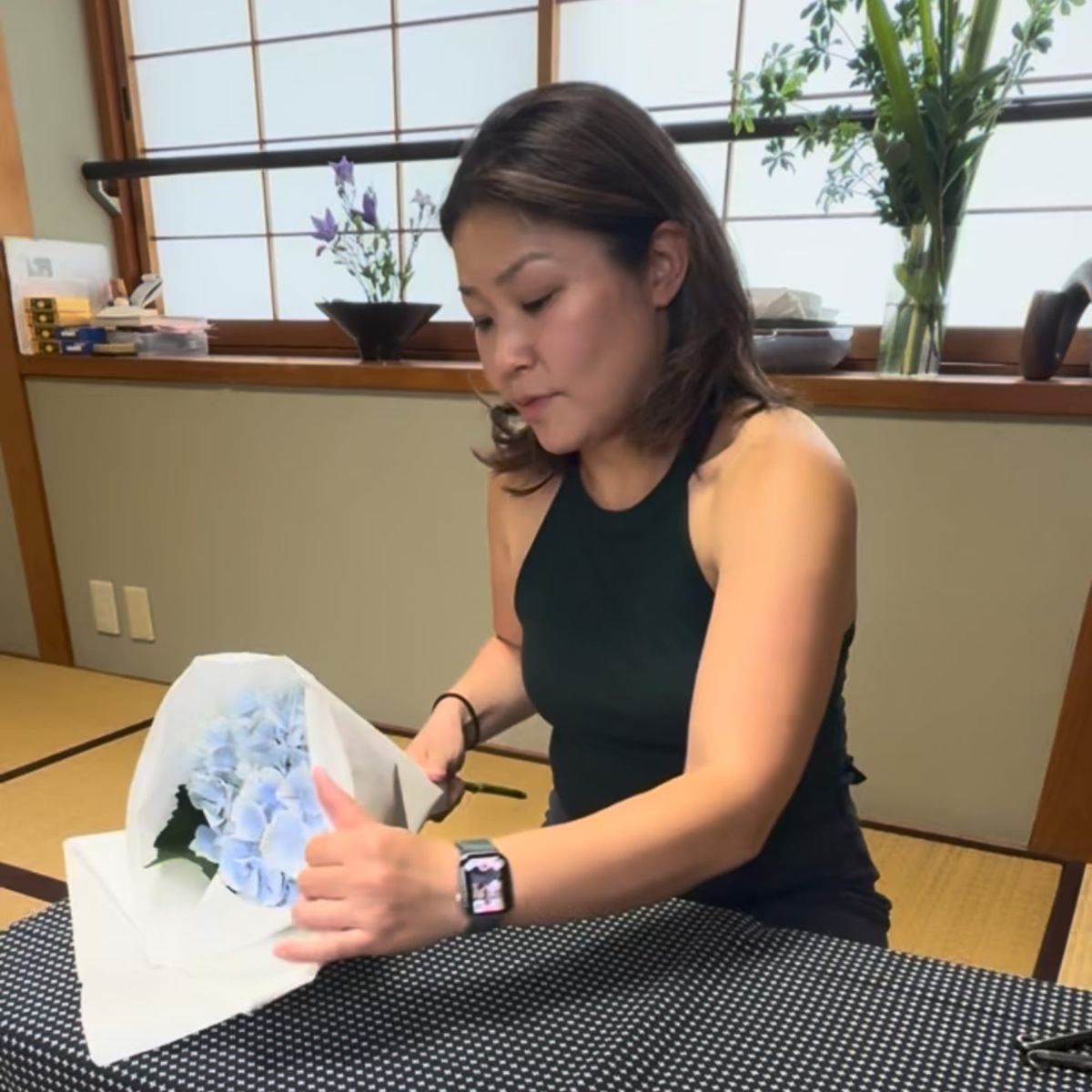
This week, I made an ajisai mamori at home. A single hydrangea, a piece of paper, and a red-and-white cord become a small seasonal prayer for protection, health, and good fortune.
In this journal issue:
- what ajisai mamori are
- why hydrangeas are connected with rainy-season protection
- how to make a simple hydrangea charm at home
- where people traditionally hang them
- what this custom shares with the spirit of ikebana
What Is Ajisai Mamori?
An ajisai mamori is a charm made from a hydrangea bloom and hung in the home during June. In some versions of the custom, people hang the charm to invite good fortune, protect the household, and pray for health.
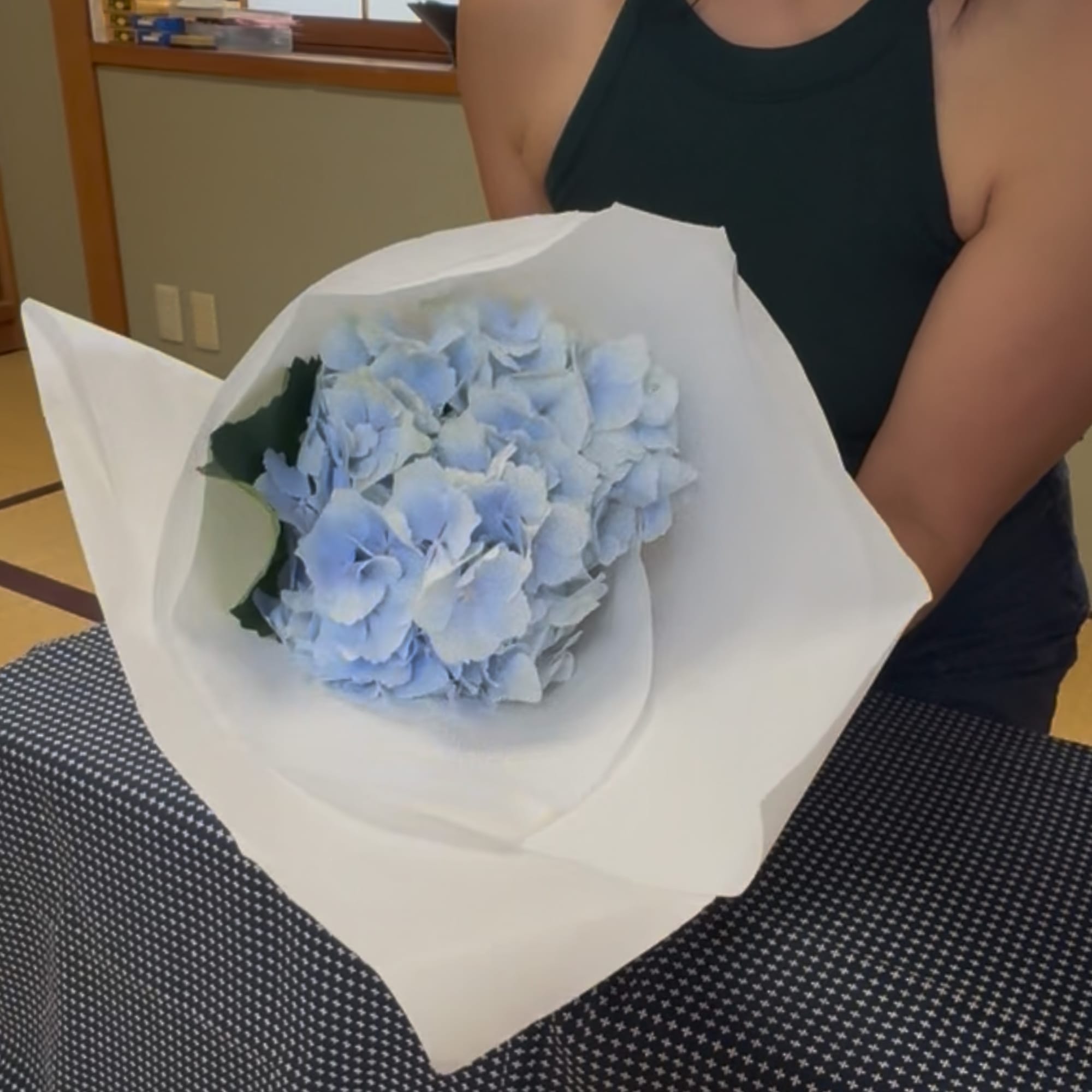
Like many folk traditions, the details vary by region and family. Some people treat it as a protective charm. Others see it more simply as a seasonal gesture: bringing a flower of the rainy season into the home and giving it a place of care.
I like the modesty of this custom. It does not require expensive materials or a formal ceremony. It begins with noticing a flower that belongs to the season.
Why Hydrangeas?
One theory suggests that the custom may be connected to an older practice of hanging beehives as a symbol of prosperity. Because hydrangea blossoms have a rounded, clustered shape, hydrangeas may have become a seasonal substitute.
There is also a natural connection between hydrangeas, water, and June. Hydrangeas bloom during Japan's rainy season, when water is in the air, on leaves, in temple gardens, and along Kyoto's stone paths.
In traditional belief, water is often connected with purification and protection. Hydrangeas, blooming so fully in the rain, feel like flowers that thrive in water.
When Do People Hang Hydrangea Charms?
Many people choose a date containing the number six, such as June 6, June 16, or June 26.
In some folk beliefs, the number six is associated with water. Since June is the sixth month and also the rainy season in Japan, the timing gives the custom a quiet seasonal logic.
If you have not made one yet this year, there is still time on June 16 or June 26.
How to Make a Simple Ajisai Mamori
You will need:
- one hydrangea bloom
- a piece of paper
- mizuhiki, the red-and-white decorative cord used for gifts and ceremonies
If you do not have mizuhiki, you can use a red-and-white ribbon instead.
To make the charm:
- Write your wish or prayer on a piece of paper.
- Wrap the paper around the hydrangea stem.
- Tie the paper to the stem with mizuhiki or ribbon.
- Hang the hydrangea upside down, higher than eye level.
I made a quick video for you to outline the steps:
This 30-second short will help you see the steps for making your ajisai mamori
If you make one at home, choose a place where air can circulate. Keep it out of reach of children and pets, and remove it if the flower begins to mold.
Where Should You Hang It?
Traditionally, the location depends on your wish. The charm is usually hung higher than eye level.
In some versions of the custom:
- for protection from bad luck, people hang it near the front door or inside the entrance
- for health and protection from illness, people hang it in the restroom
- for prosperity and financial good fortune, people hang it in the living room or a place connected with work
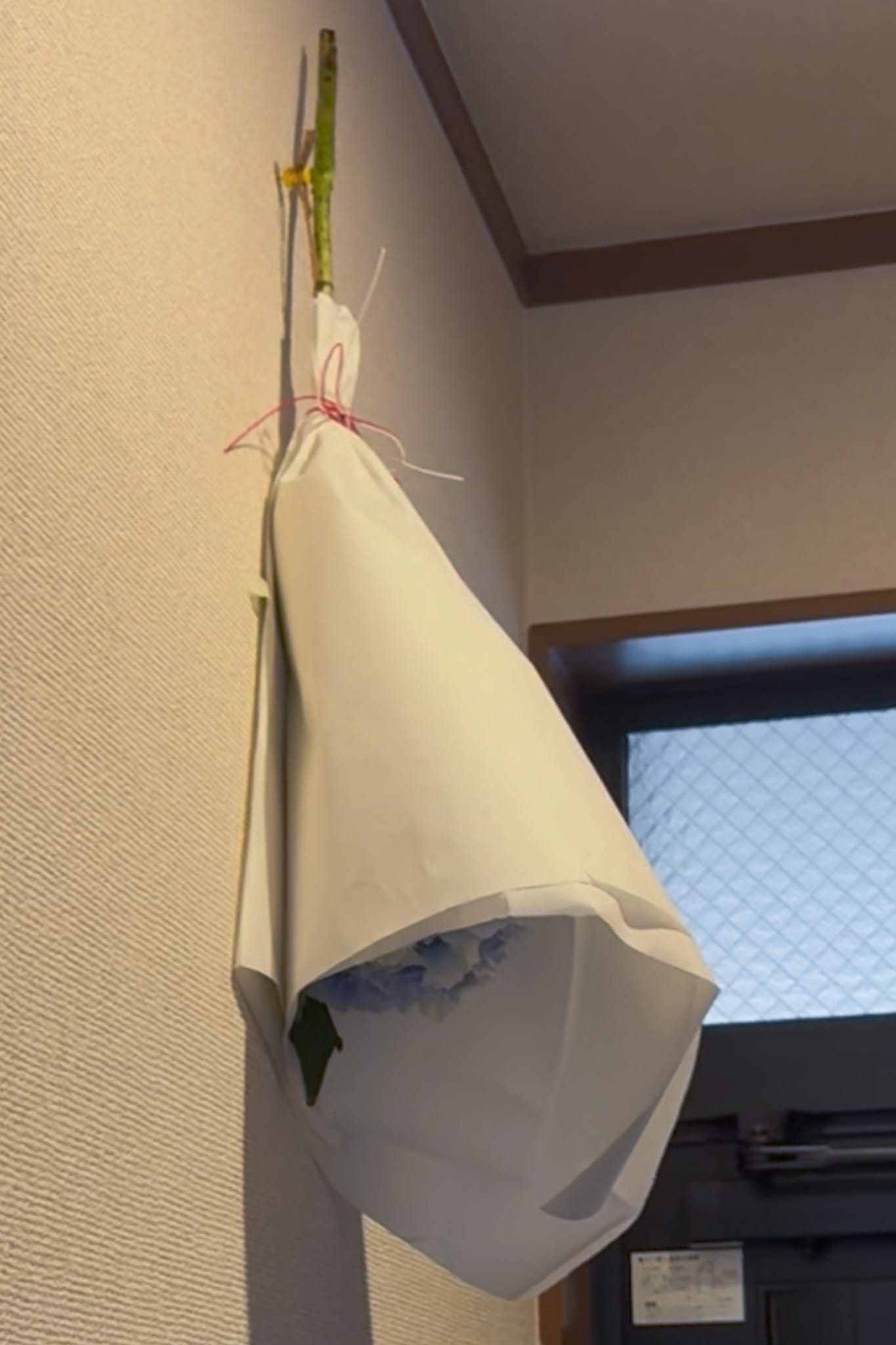
These meanings are not fixed rules. They are part of the folk character of the custom, where the same flower can hold slightly different hopes in different homes.
How Long Should You Keep It?
There is no single rule. Some people keep their hydrangea charm hanging until the following June and replace it with a new one each year. Others remove it at the end of the season.
The hydrangea will change as it dries. That change is part of what I find beautiful. The charm is not meant to stay fresh forever. It slowly becomes something else.
Hydrangeas, Wabi-Sabi, and Ikebana
What I like most about ajisai mamori is its simplicity.
A flower is cut, wrapped, tied, and hung. Then time begins to work on it. The color softens. The petals dry. The charm becomes a quiet reminder of the season that made it.
That feels close to the spirit of wabi-sabi: the beauty of things that are simple, imperfect, and temporary.
It also feels close to ikebana. In ikebana, we do not use flowers only as decoration. We pay attention to their posture, season, direction, and life. We notice what is fresh, what is fading, and what kind of space each material asks for.
The hydrangea charm is not an ikebana arrangement, but it shares that same respect for nature and impermanence.
A Rainy-Season Note from Kyoto
June in Kyoto can be humid and rainy, but it can also be a beautiful time to slow down. Hydrangeas bloom. Moss turns bright green. Indoor rituals and small seasonal customs begin to feel especially meaningful.
If you are planning a rainy day in Kyoto, I also put together a guide to things to do on rainy days in Kyoto.
And if you would like to experience Japanese floral culture hands-on, HanaYou offers beginner-friendly ikebana workshops in Kyoto with seasonal materials and English or Japanese guidance.
Thank you, as always, for reading the HanaYou Ikebana Journal.
With gratitude,
Ryoko