
Hydrangeas, Rain, and Ikebana: Kyoto in June
Kyoto’s rainy season brings hydrangeas and wet days. A June reflection on rainy-season flowers and how to use them in your ikebana practice.
Get the HanaYou Ikebana Journal in your inbox.
Hello flower lovers,
Rainy season has arrived in Kyoto. As you can see below, it isn't a constant downpour but rain will be a part of everyday life for weeks to come.
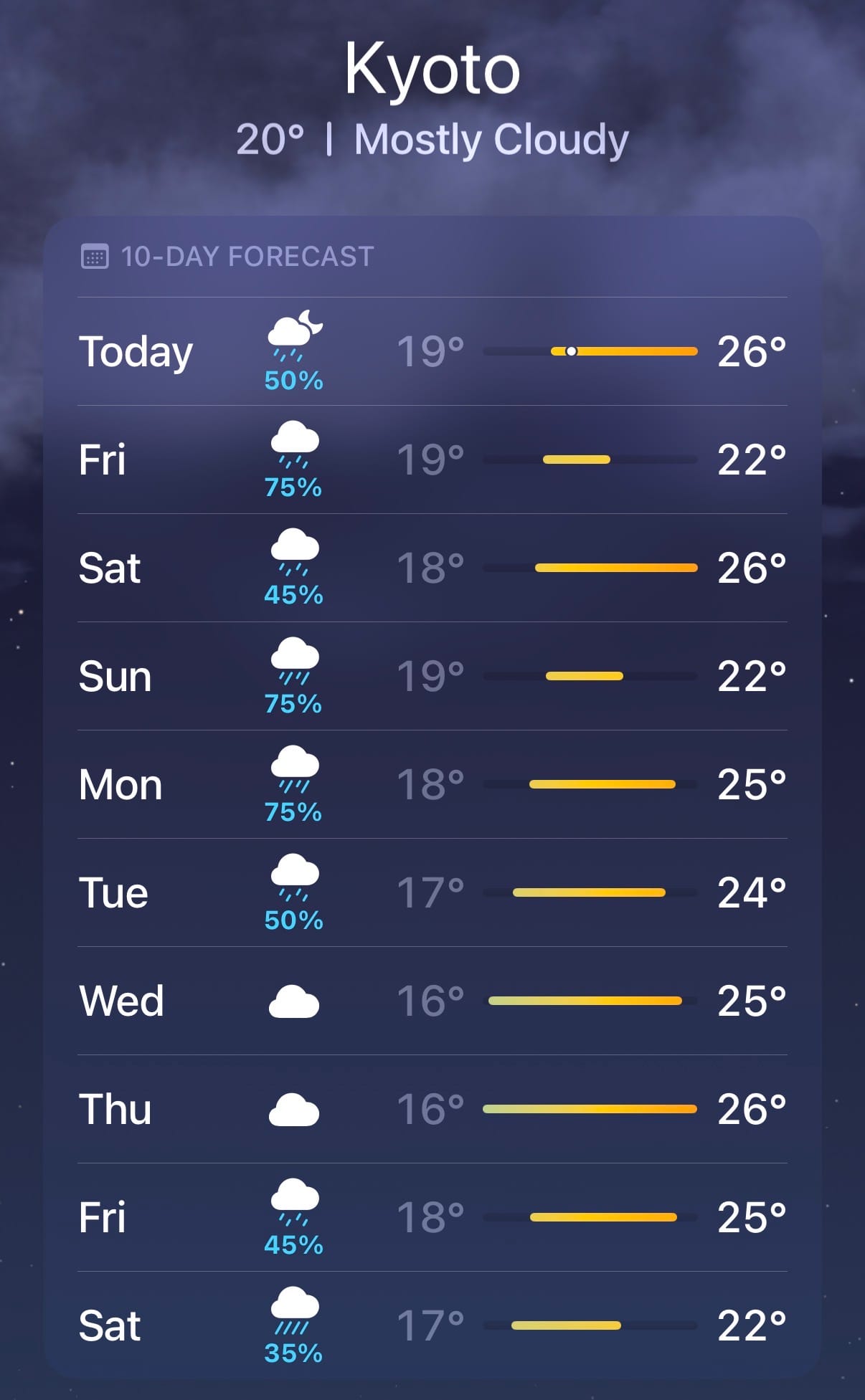
The air already feels heavier. The stone paths stay damp for longer. Umbrellas are part of our everyday gear. And in gardens, temple grounds, and small neighborhood corners, hydrangeas will glow in the rain.
Hydrangeas in Kyoto’s Rainy Season
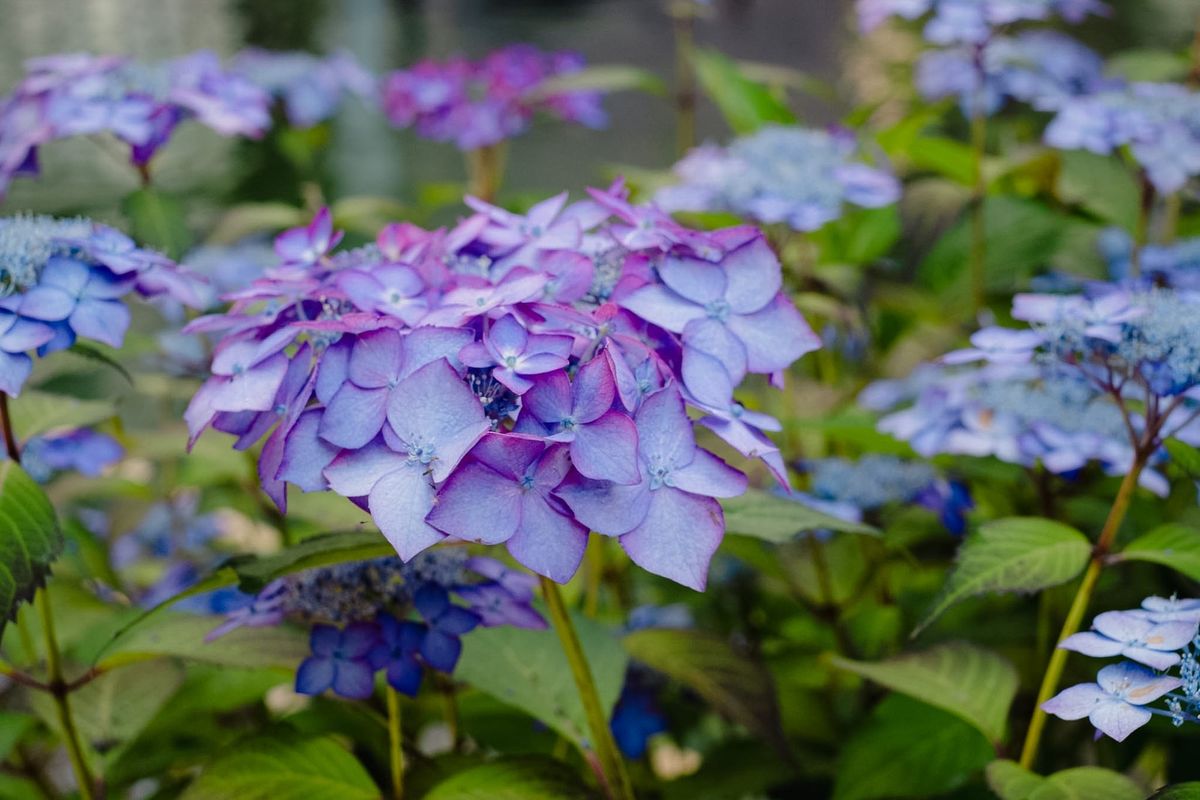
Hydrangeas, or ajisai (紫陽花), are one of the flowers most closely connected with June in Japan.
They are beautiful on clear days, but I think they are even more beautiful after rain when their colors look deeper and the leaves shine. The large round flower heads become heavy with water, bending slightly under their own weight.
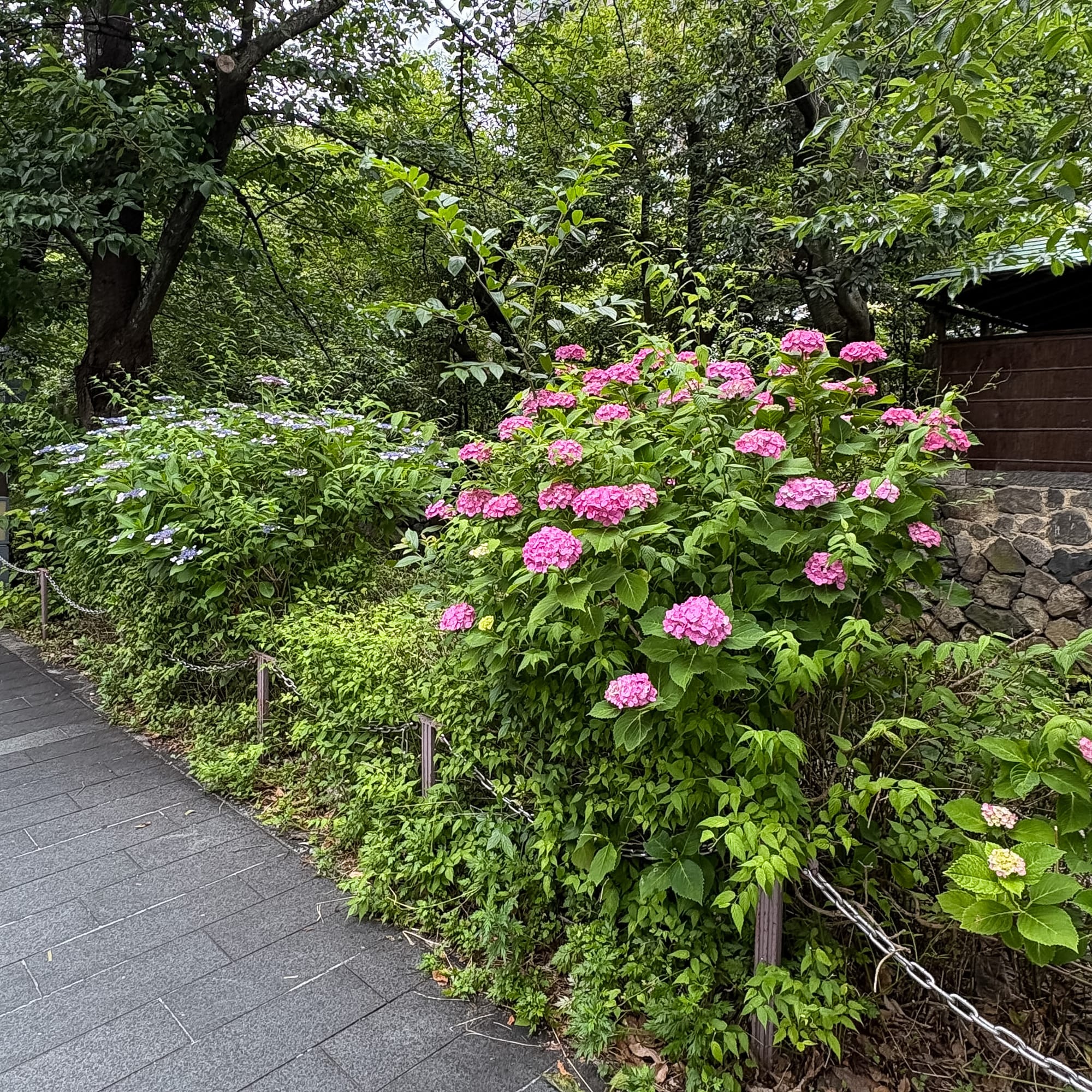
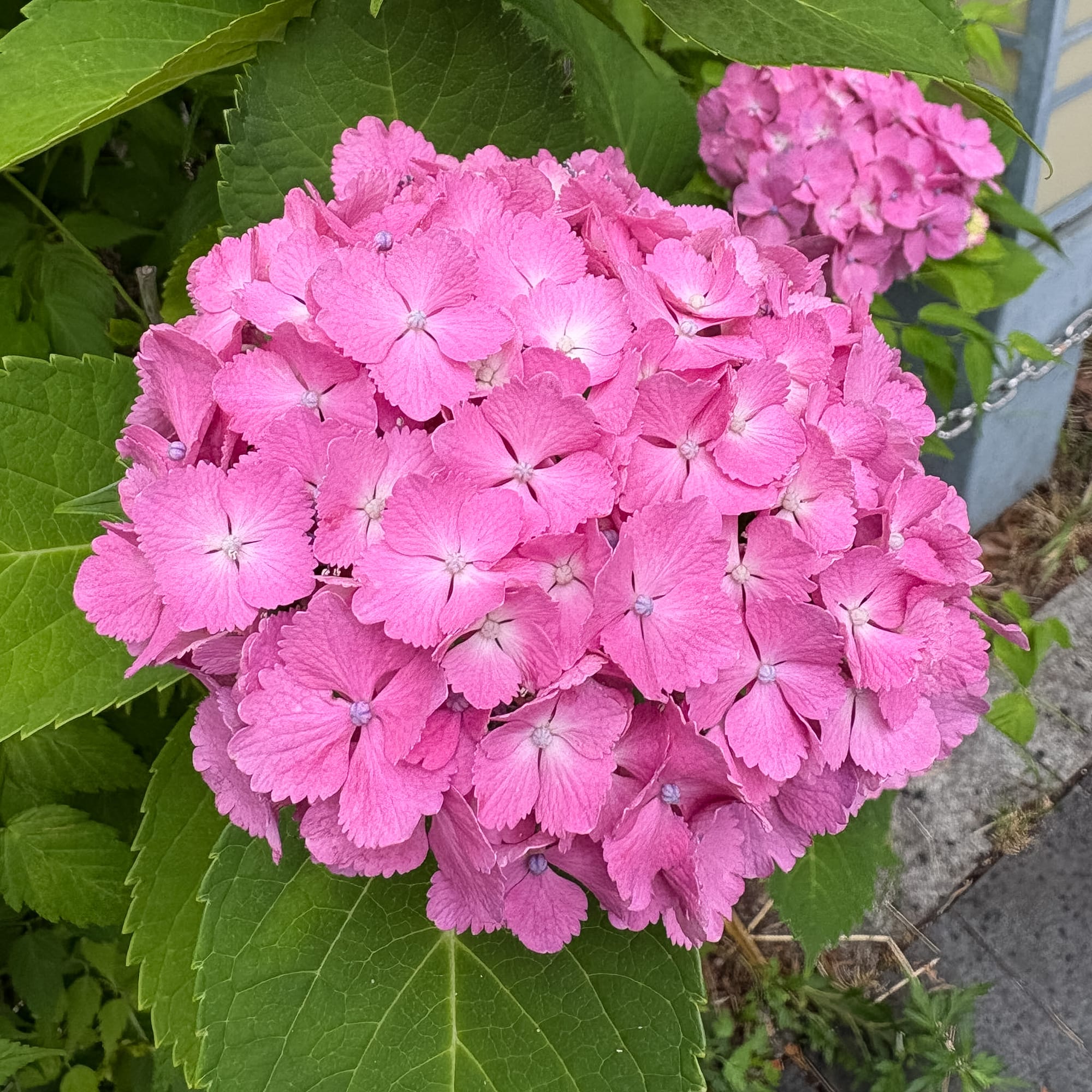
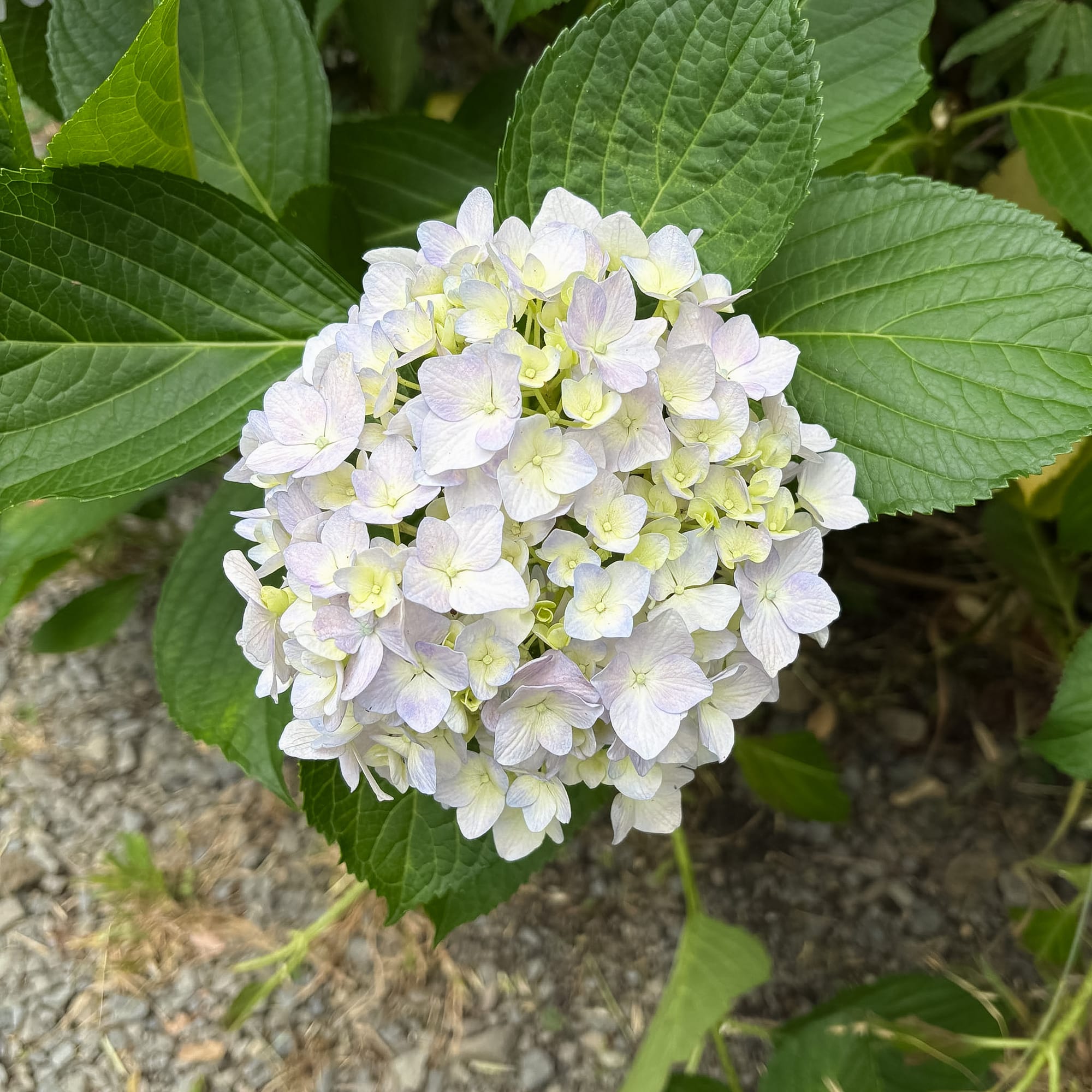
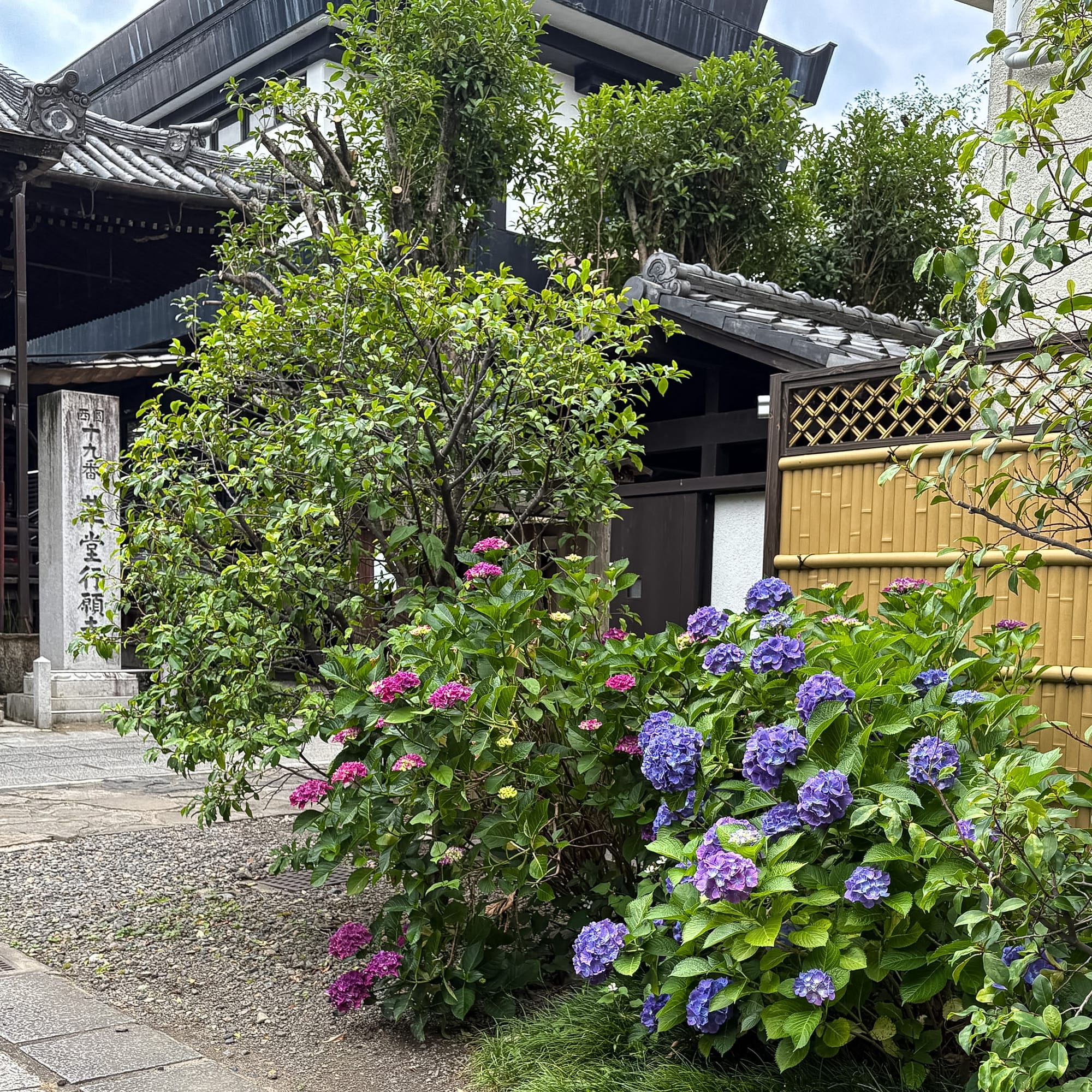
Hydrangeas in Kyoto
In Kyoto, rainy season can be inconvenient if you are trying to walk all day. Shoes get wet. The air becomes humid. Outdoor plans may need to change. But rain also softens the city. Gardens become quieter. Moss turns bright green. The sound of water can produce a sense of calm when you're able to slow down and listen.
Hydrangeas seem to belong to this feeling. They do not ask for bright sunlight or dramatic attention. They ask us to come closer, to notice small changes in color, shape, and weight.
What Hydrangeas Teach in Ikebana
In ikebana, hydrangeas can be challenging because they are visually strong.
One large bloom can fill a whole space. If we add too many other flowers, the arrangement can quickly become crowded. The hydrangea may lose its quiet dignity.
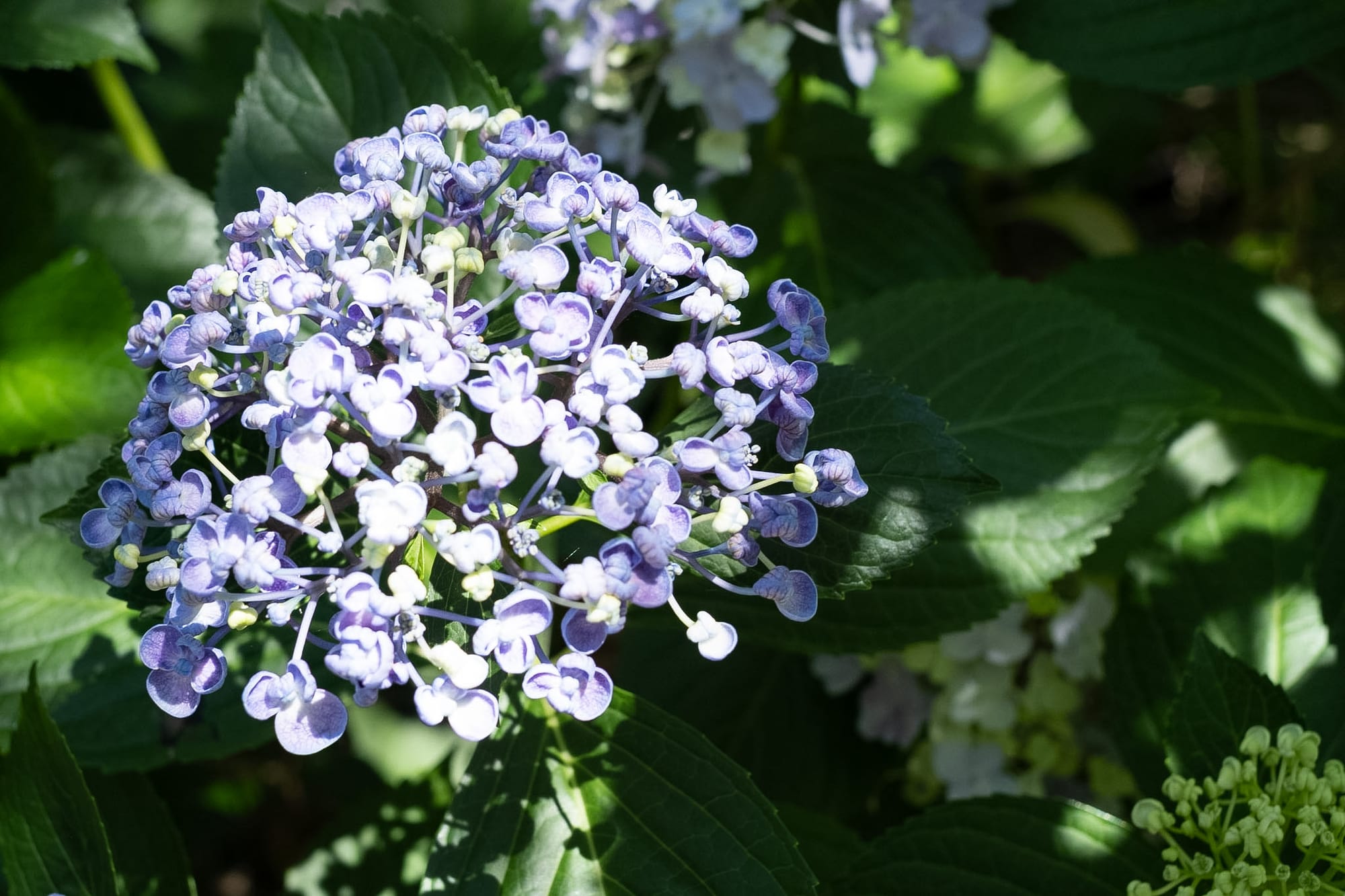
So when working with a heavy flower like hydrangea, we have to think carefully:
- Where does the weight belong?
- Where does the eye need to rest?
- What kind of branch or leaf can give the arrangement movement?
- How much empty space should remain?
Sometimes the best choice is not to add more. It is to remove one stem, turn the vessel slightly, or give the flower more room to breathe.
This is one of the lessons I love about ikebana. We are not only arranging flowers. We are arranging relationships: flower and branch, water and vessel, fullness and emptiness, heaviness and lightness.
Rainy season makes this especially clear. The flowers feel full of water and the leaves are fresh and green. The air itself feels dense. In an arrangement, we can respond by creating space, line, and balance.
A Rainy Day in Kyoto
If you are visiting Kyoto in June, it helps to plan gently. A rainy day does not need to be a lost day or a hard day fighting the elements. It can be a slower day.
Maybe you visit one garden or temple in the morning, while the hydrangeas are still wet from rain. Then you find tea, wagashi, a museum, a covered shopping street, or a quiet indoor activity for the afternoon.
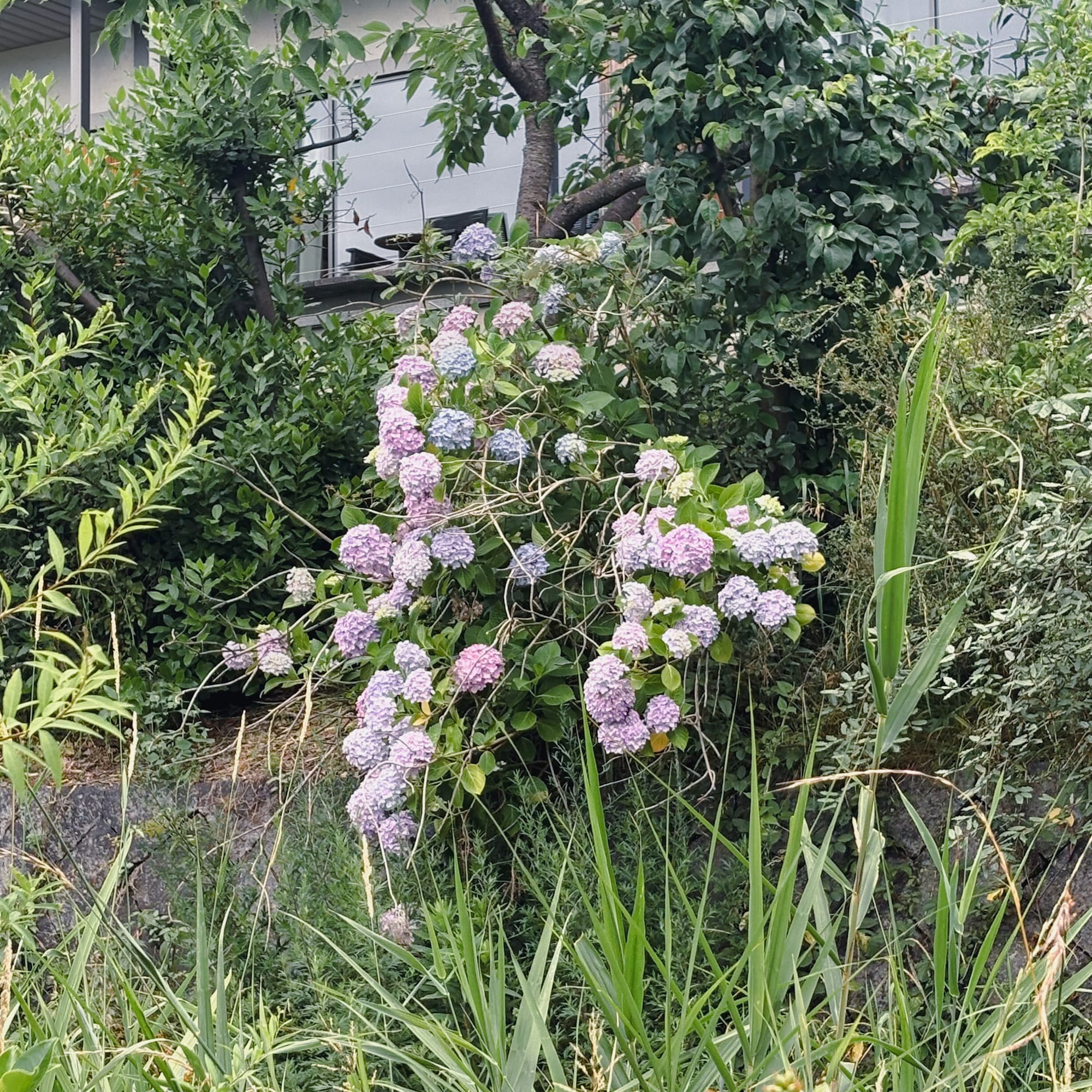
I recently put together a guide to things to do on rainy days in Kyoto for this reason. Rainy season is easier when you give in to it and go with the flow.
For people who enjoy flowers or value cultural experiences, an ikebana class can be a natural rainy-day activity. You still experience the season, but from inside through the flowers, branches, water, and quiet act of arranging.
At HanaYou’s Kyoto sessions, we use seasonal materials and create arrangements step by step. Beginners are welcome, and I offer guidance in English or Japanese.
A Small Rainy-Season Practice
If you have flowers at home this week, try making a very simple rainy-season-inspired arrangement.
Choose:
- one main flower with weight or volume
- one line material, such as a branch or long leaf
- one small supporting green
Place the main flower first, but do not center it too quickly. Let it lean slightly. Notice where its weight wants to go.
Then add the line material to create movement. Finally, add the green only if the arrangement needs it.
Before you finish, pause and look at the empty space.
- Does the flower have enough room?
- Does the arrangement feel heavy in a good way?
- Is there a place for the eye to rest?
This kind of small practice is enough. Ikebana does not always need many materials. Sometimes one flower teaches more when we give it space.
If you will be in Kyoto during rainy season and would like to experience Japanese floral culture hands-on, HanaYou offers beginner-friendly ikebana workshops. I'd love to welcome you as a guest to the studio.
Thank you, as always, for reading the HanaYou Ikebana Journal.
With gratitude,
Ryoko