
What the Narcissus means in Japan
Thoughts on seasonal flowers as "omotenashi" and Suisen (Narcissus), the "immortal sage of the river.”
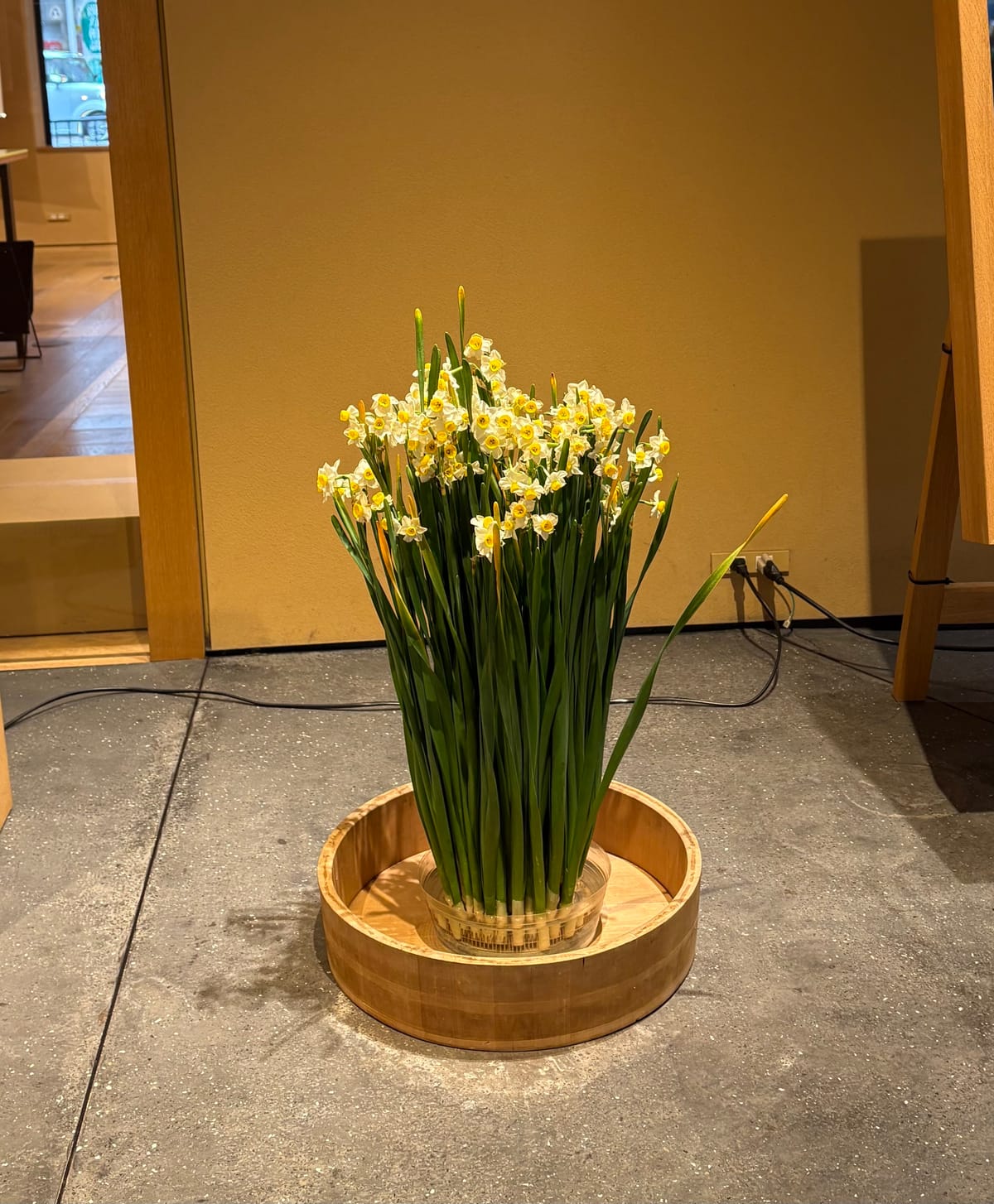
2026 has begun! I hope everyone is off to a great start.
In this post, I'd like to share with you some local news from HanaYou Kyoto as well as some thoughts on the Daffodil, or Narcissus flower.
Ikebana event in Kyoto
Today (Saturday, January 31), HanaYou will be joining a pop-up event in collaboration with Eric Noodle Bar in Kyoto. It will be a small and cozy gathering at co-working space Cigoto No Ba. The ikebana sessions will have space for only six participants at a time.
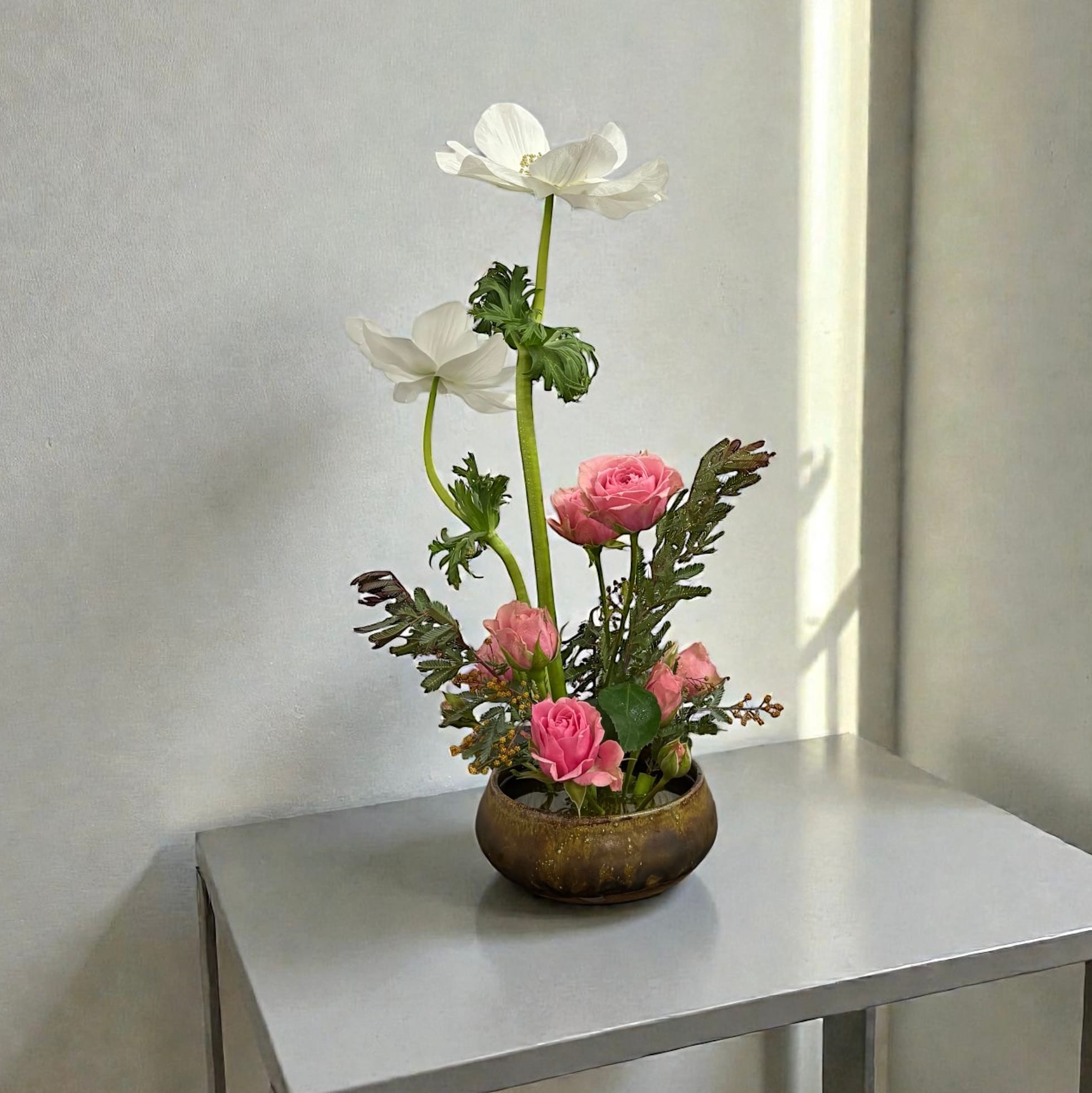
To be honest, I’m feeling quite nervous about this event. It’s my first time hosting something like this in Kyoto, and I don’t have many friends here yet. I keep wondering whether people will come or not, and my mind is full of nervous thoughts.
But no matter what happens, I’ve decided to do it and see where it leads!
If you’re in the Kyoto area, I’d love for you to stop by and try ikebana together with me. Please wish me luck. I’ll be sharing updates about the event soon!
For more details, please check my Instagram page.
Reviews on Viator and TripAdvisor
This past autumn was the first time I added HanaYou to trip booking sites Viator and TripAdvisor. Being on both sites has gone well so far, helping customers from England, France, the U.S., Canada, Australia, and beyond find HanaYou.
But when customers visit my studio, I keep forgetting to ask them to leave a review. So I thought I'd appeal to you here. Whether you've visited HanaYou through Viator or TripAdvisor, or booked directly via my website, I'd really appreciate if you can leave a review. For a tiny business like HanaYou, it really makes all the difference.
If you are so inclined, you can leave a review at either site:
Either way, thank you for being a part of HanaYou's journey.
Winter in Kyoto
Believe it or not, just like clothing stores, flower shops and plant wholesalers often sell products one season ahead of the actual season. That's why at Japanese flower markets in January, you’ll find many spring flowers.
However, in Kyoto, many homes and shops still choose to display seasonal winter flowers at their storefronts. You’ll also see seasonal flower paintings featuring blooms such as narcissus, camellia, and wintersweet.
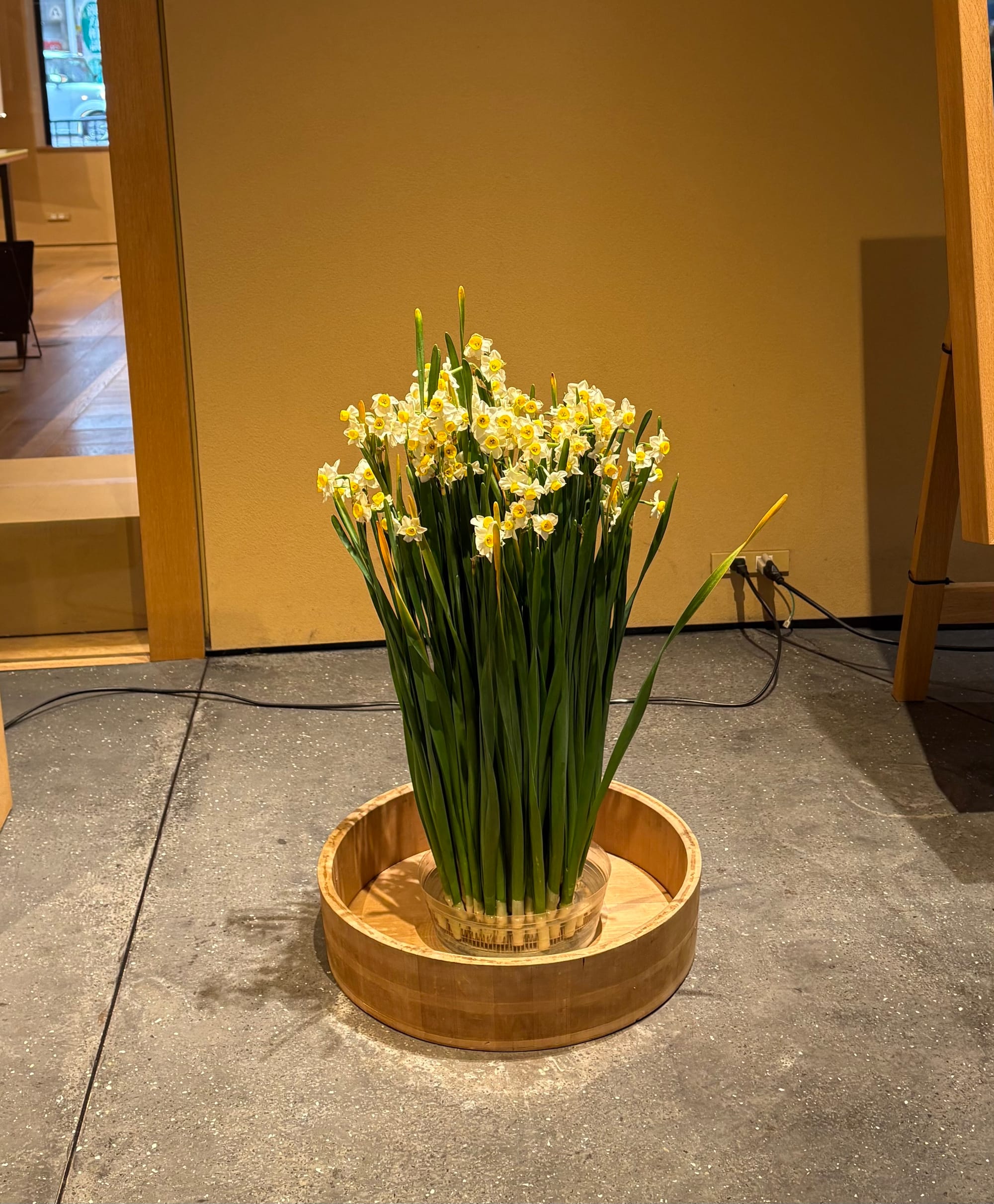
Displaying seasonal flowers is part of omotenashi, Japanese hospitality. This is because in Japan, flowers are not just decoration. They are a quiet way of acknowledging the present moment.
I believe this idea is something many of us need in daily life. When we are busy and constantly getting ready for what's next, it’s easy to lose the ability to enjoy now.
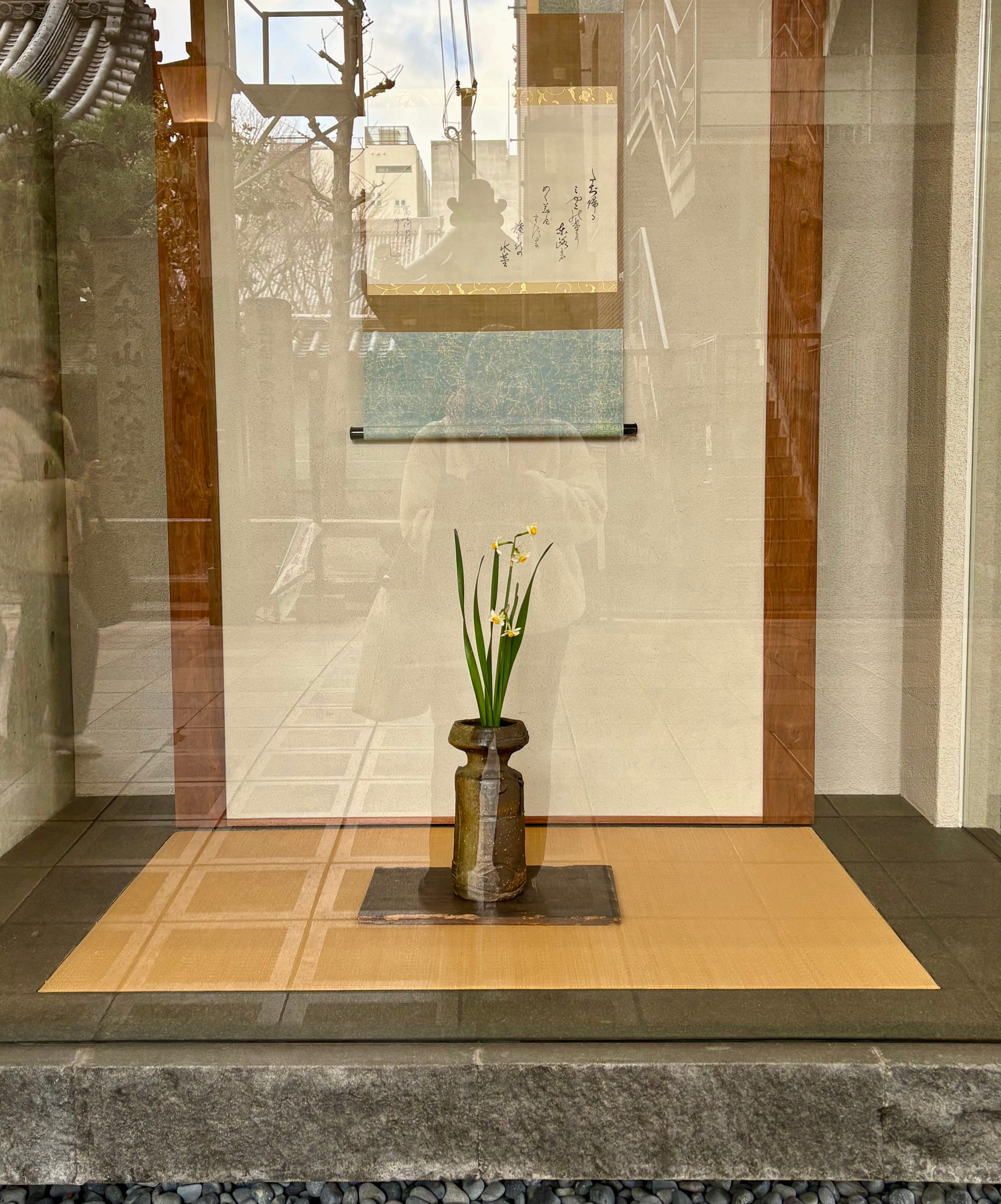
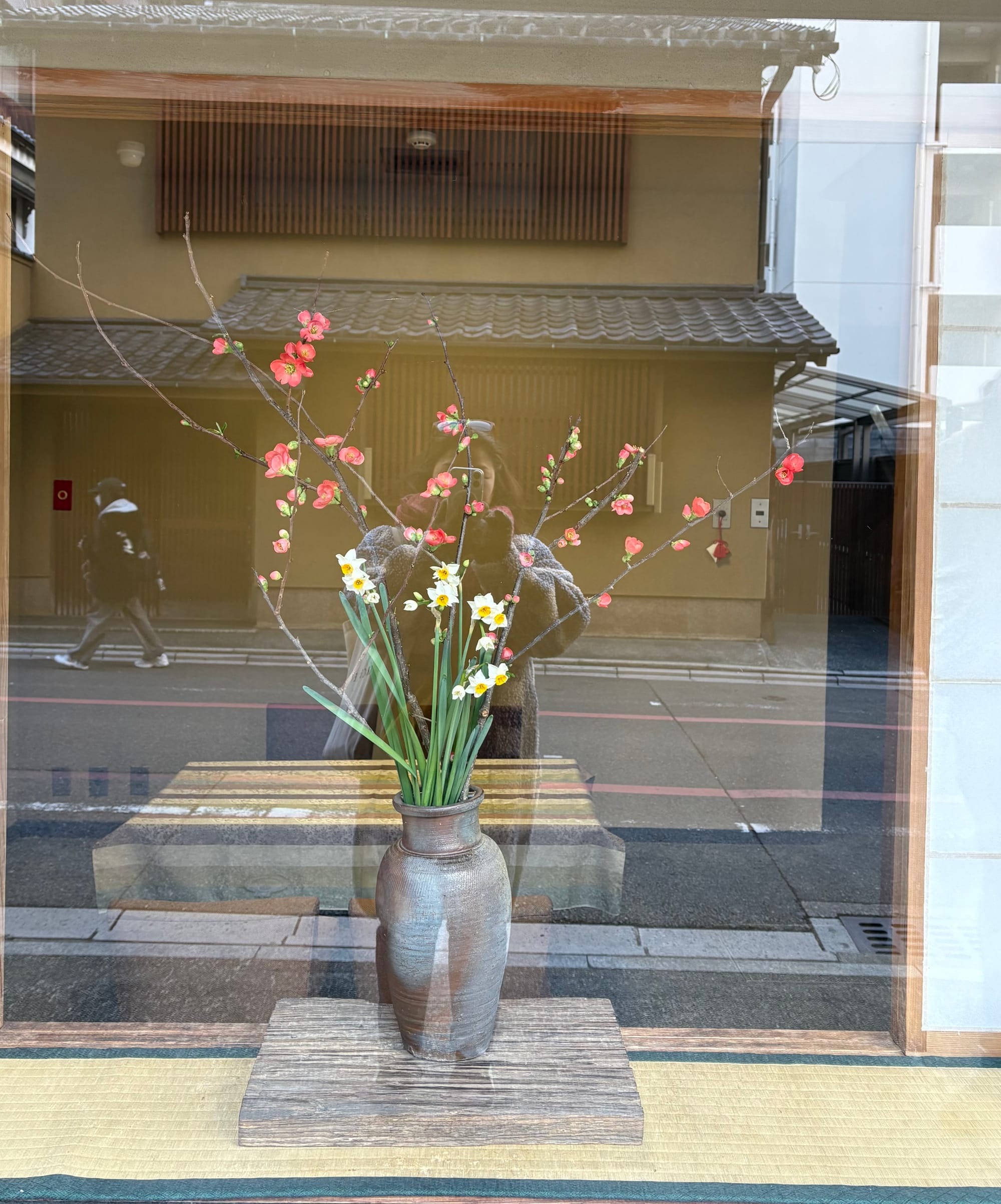
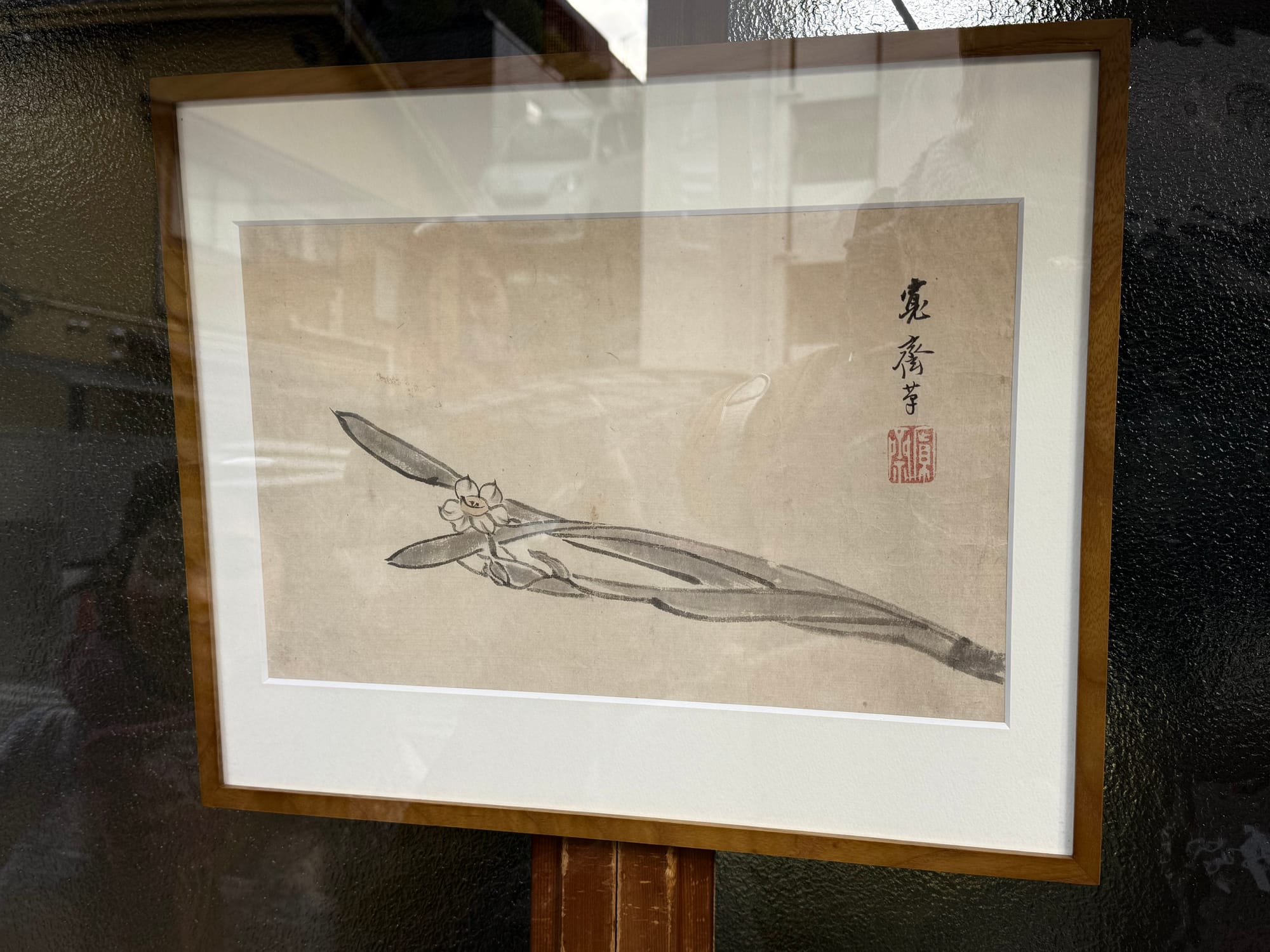
The narcissus in ikebana displays and paintings around Kyoto
I guess it's like the saying “stop and smell the roses”: it's important to pause and remember that no two days are ever the same. Let's enjoy today's flowers now.
This week, paid members can continue below to learn about what the narcissus flower means in Japan, along with a video showing you how to use it in an arrangement.