
The Wishes We Tie to Bamboo
A quiet Kyoto tradition of reflection, renewal, and the wishes we carry into the second half of the year.
Get the HanaYou Ikebana Journal in your inbox.
Hello flower lovers,
Half of the year has quietly slipped by.
In Kyoto, July often begins with two gentle reminders: to let go of what has gathered behind us, and to place a wish toward what comes next.
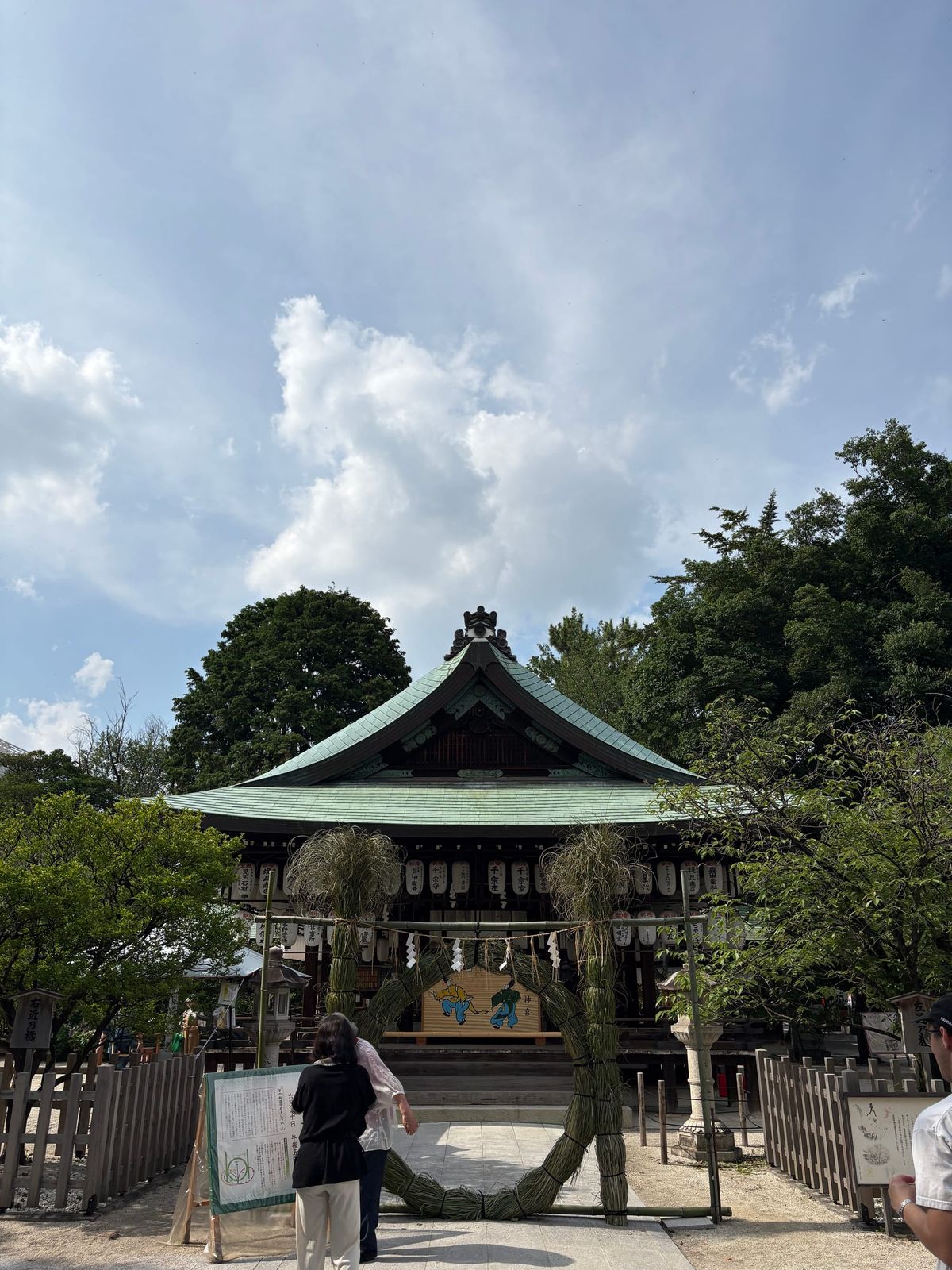
The other day, on our way home from my daughter's school, we came across a huge grass ring being prepared at Shiramine Shrine. Shrine workers were weaving a chinowa, a large ring made from sacred grass.
During the summer purification ritual, people walk through the chinowa to pray for good health and good fortune for the remaining six months of the year. I love this tradition because it asks us to pause, reflect on the past six months, and step into the second half of the year with renewed hope.
Then, on July 7, Japan celebrates Tanabata, the Star Festival. People write wishes on colorful strips of paper and hang them on bamboo branches.
Before making a wish, there is also a quiet feeling of release. Summer begins with hopes for the future and a small act of renewal.
What Is Tanabata?
Tanabata, or the Star Festival, is celebrated in many parts of Japan on July 7, though some regions observe it later in summer. It is based on an ancient legend about two lovers, Orihime, the weaving princess, and Hikoboshi, the cowherd. Separated by the Milky Way, they are allowed to meet just once a year.
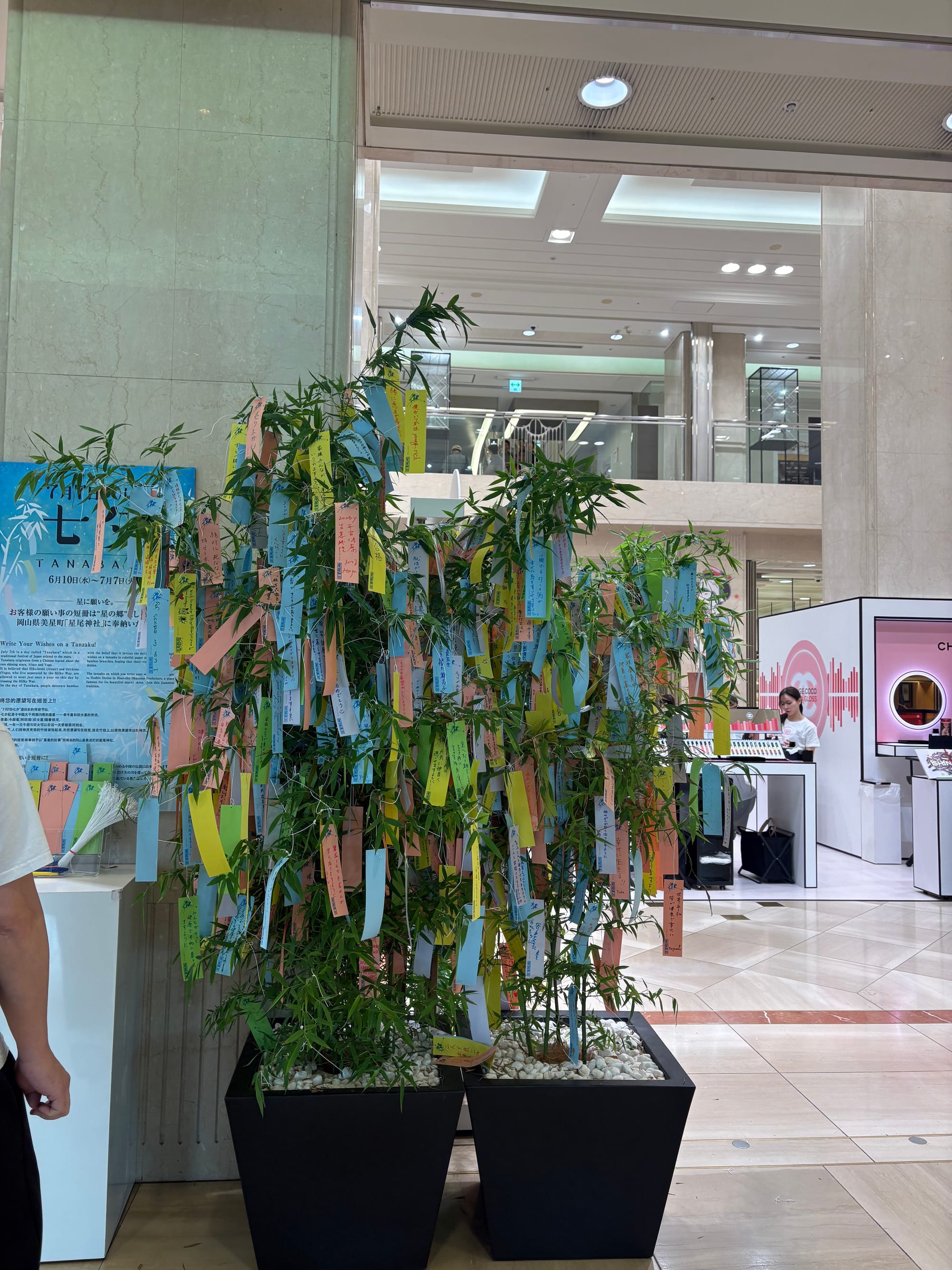
To celebarate, people write their wishes on colorful paper strips called tanzaku and hang them from bamboo branches. Streets, temples, and shrines are decorated with bamboo ornaments, creating one of Japan's most beautiful summer traditions.
More than simply making wishes, Tanabata gently reminds us to keep believing in our dreams, no matter how far away they may seem.
Shiramine Shrine and Komachi Odori
At Shiramine Shrine in Kyoto, Tanabata is marked on July 7 with shrine rites, kemari (a ball game), and the graceful Komachi Odori dance, performed by local girls.
The dance is said to have roots in Kikkoden, an imperial court ceremony for praying for skill in the arts. Having once faded away after the Meiji move of the capital to Tokyo, the dance was revived at Shiramine Shrine in 1962 and is now a summer tradition in the neighborhood.
Summer in Kyoto
As July approaches, excitement fills the city as everyone prepares for Kyoto's most famous celebration: the Gion Festival.
Each neighborhood and shrine has its own traditions, decorations, and events, making this one of the most exciting times to experience Kyoto.
Summer in Kyoto is famously hot and humid, but the city's devotion to its festivals feels stronger than the weather.
If you visit Kyoto in July, you will feel the energy, history, and community that make this season unforgettable.
A Small Wish for the Season
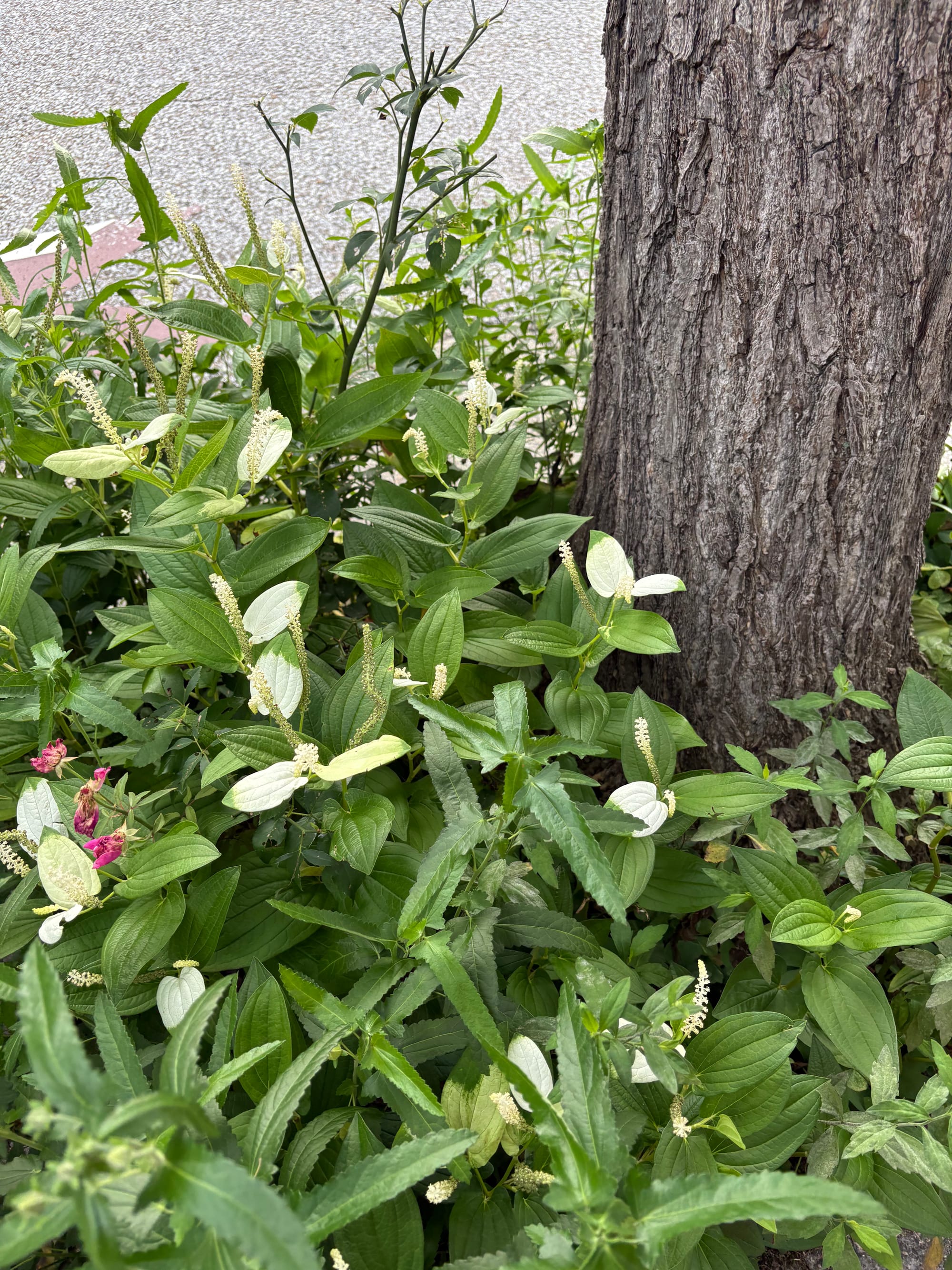
In ikebana, we practice noticing what is already in front of us: the curve of a stem, the space around a leaf, the feeling of the season. Tanabata carries a similar lesson. Before we ask for something new, we make room for it.
If you are visiting Kyoto this summer and would like to slow down with flowers, our Kyoto ikebana workshop is a quiet hands-on way to meet the season.
What wish would you tie to bamboo for the second half of the year?
Thank you for reading,
Ryoko