
Setsubun and Risshun: the changing of the seasons
A trip to the Kyoto Botanical Garden and to a shrine for Setsubun as we start to use spring flowers for ikebana.
Get the HanaYou Ikebana Journal in your inbox.
End of January and February are very cold in Kyoto, but underground, spring flowers are already preparing to emerge. Recently on my way from Gyoen to Sanjo, I spotted the first daffodils and plum blossoms.
On February 3rd, I visited the Kyoto Botanical Garden, where many plum trees were quietly blooming in the crisp winter air. Their fragrance was very soft and subtle, almost easy to miss.
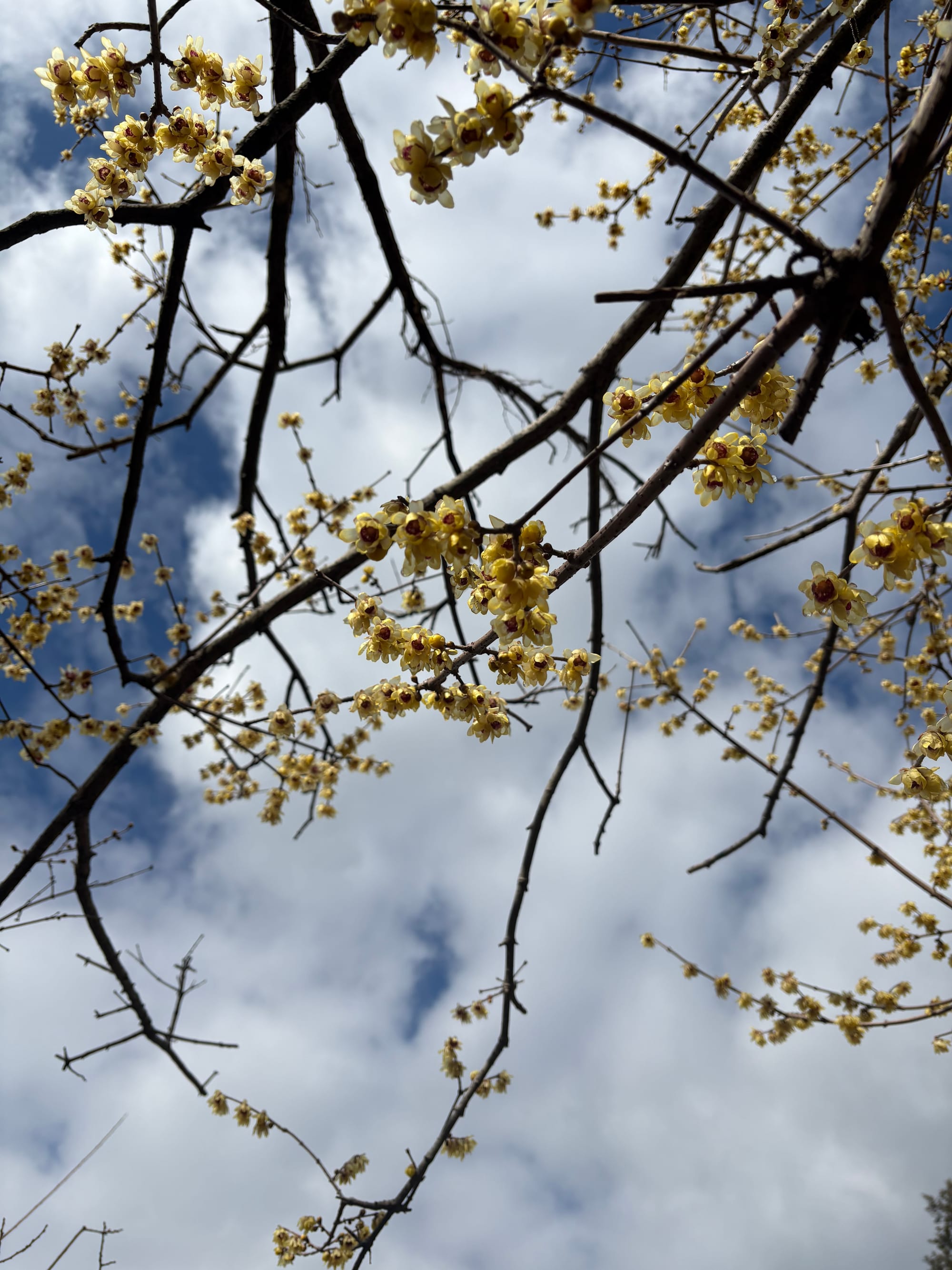
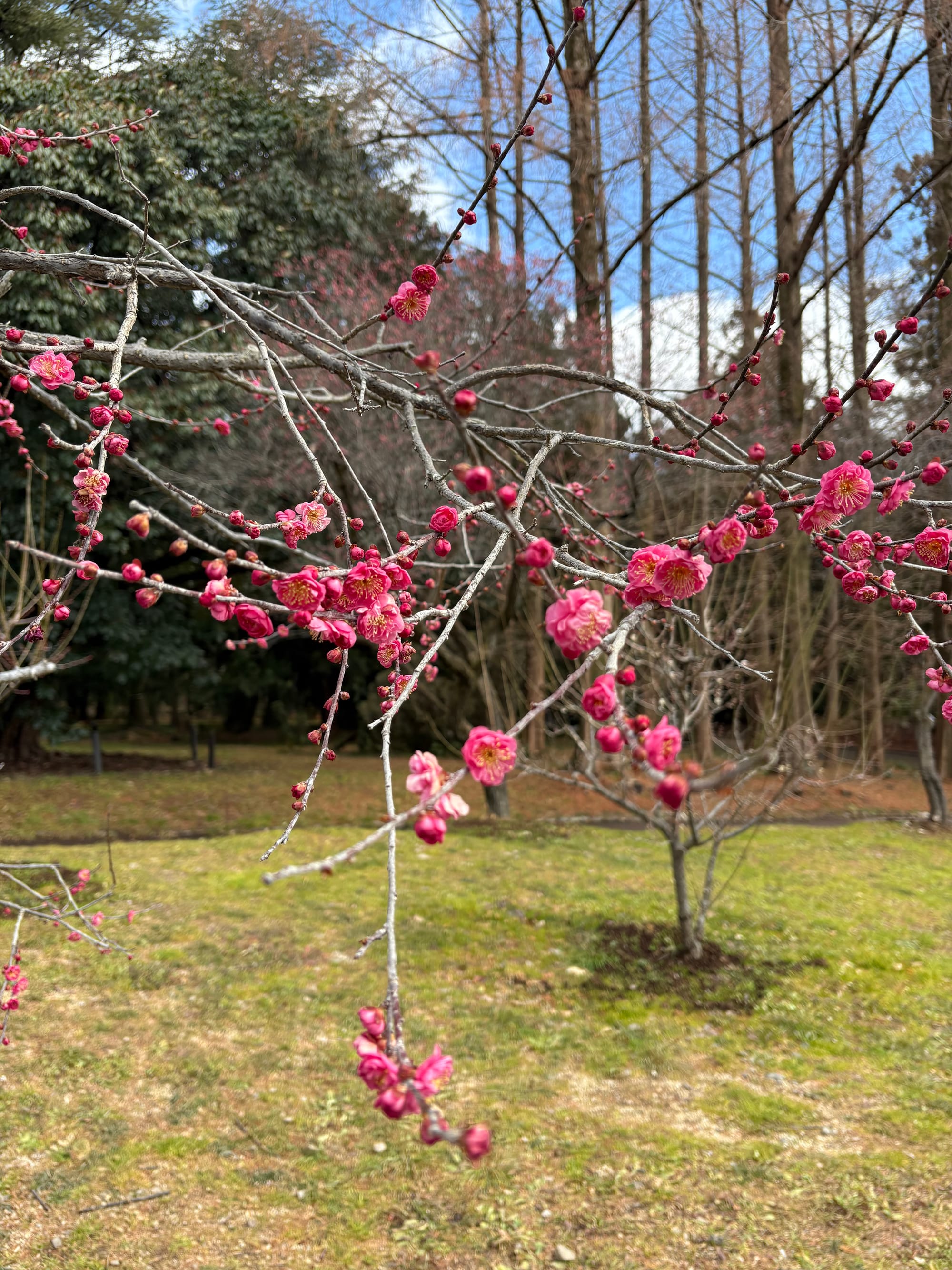
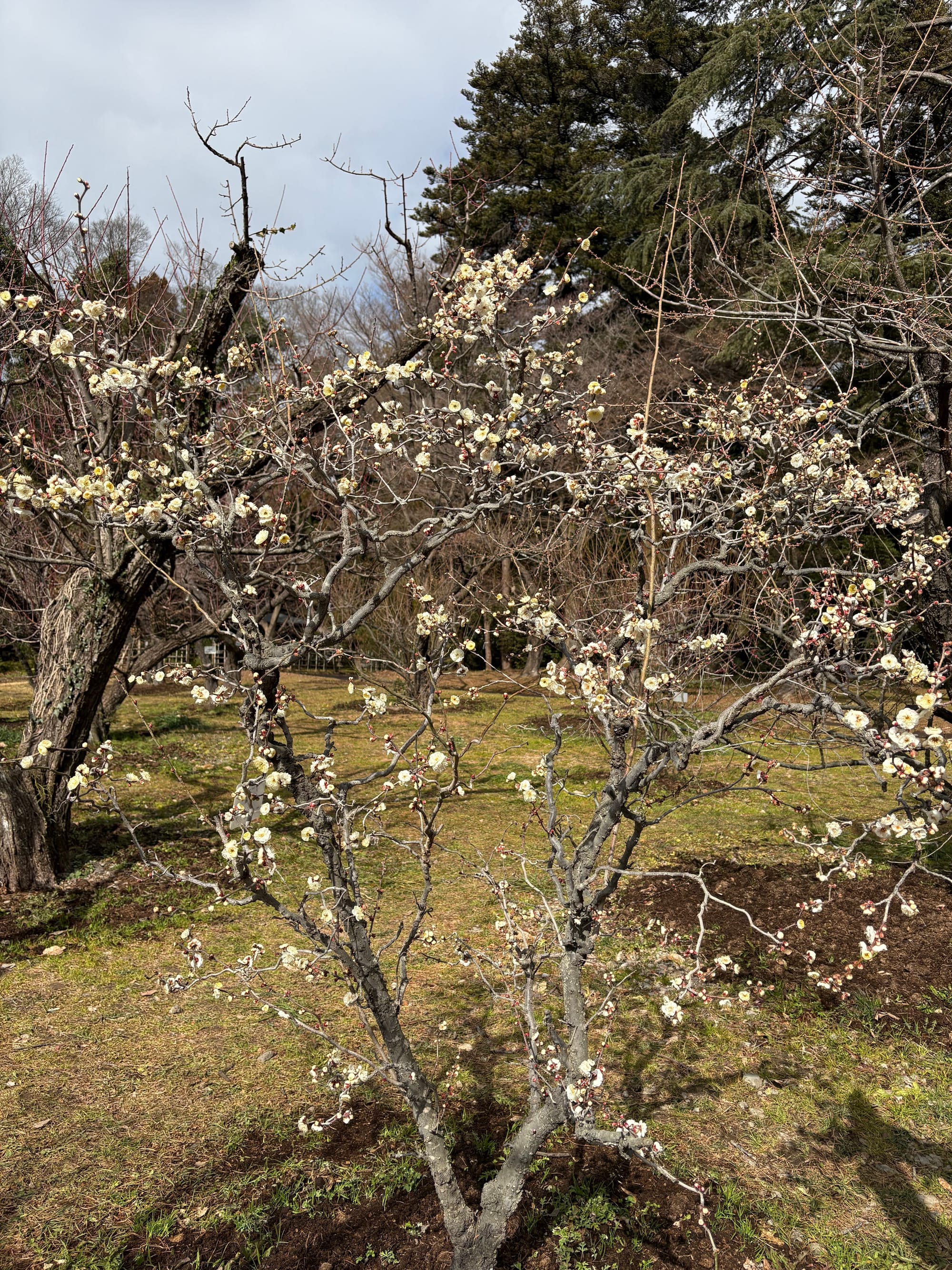
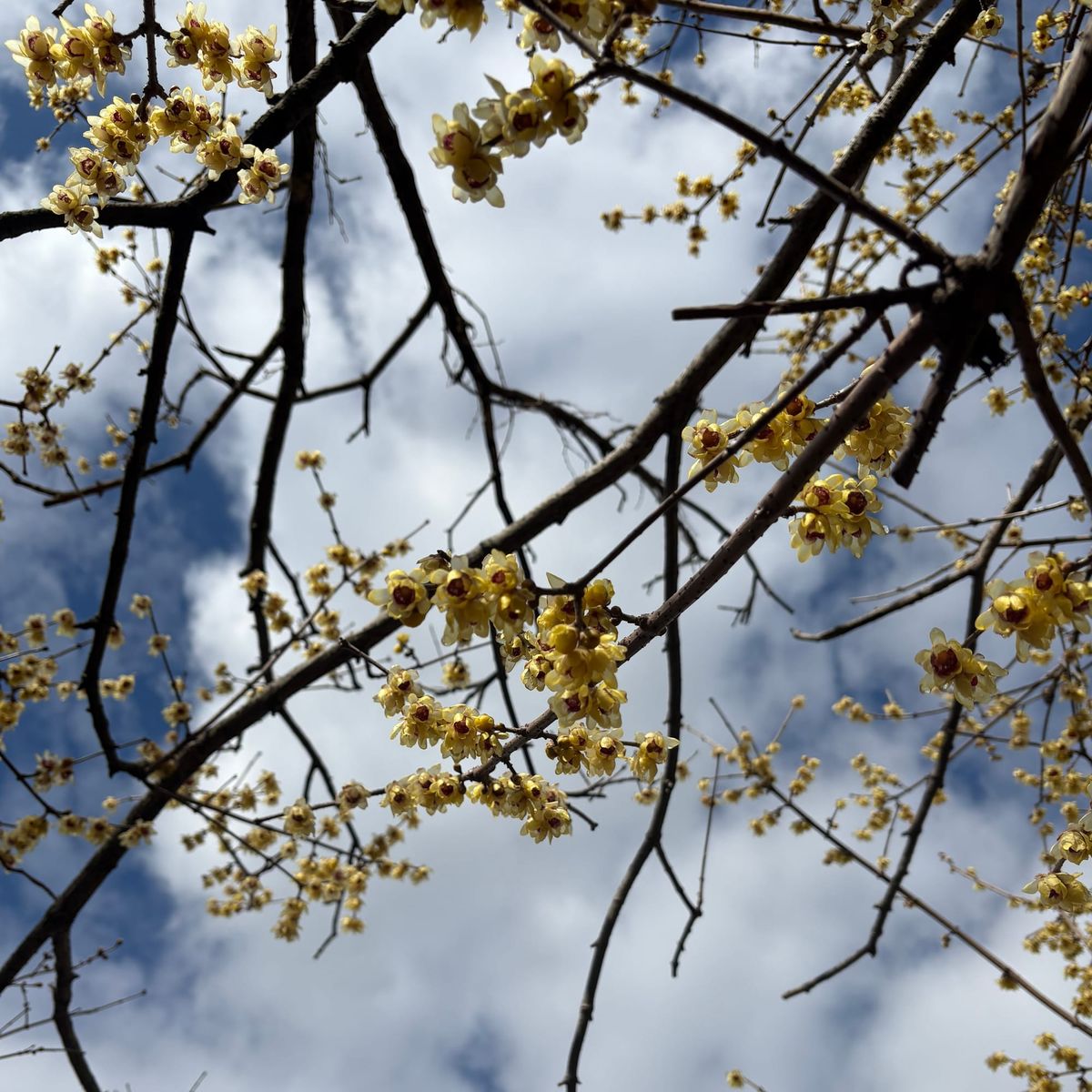
A February visit to Kyoto Botanical Garden
I love spring flowers for their fragile textures, sweet scents, and breathtaking colors. Even though the days are still cold, moments like these remind me that warmer days are on their way.
Even if we did get covered in snow just a few days later...
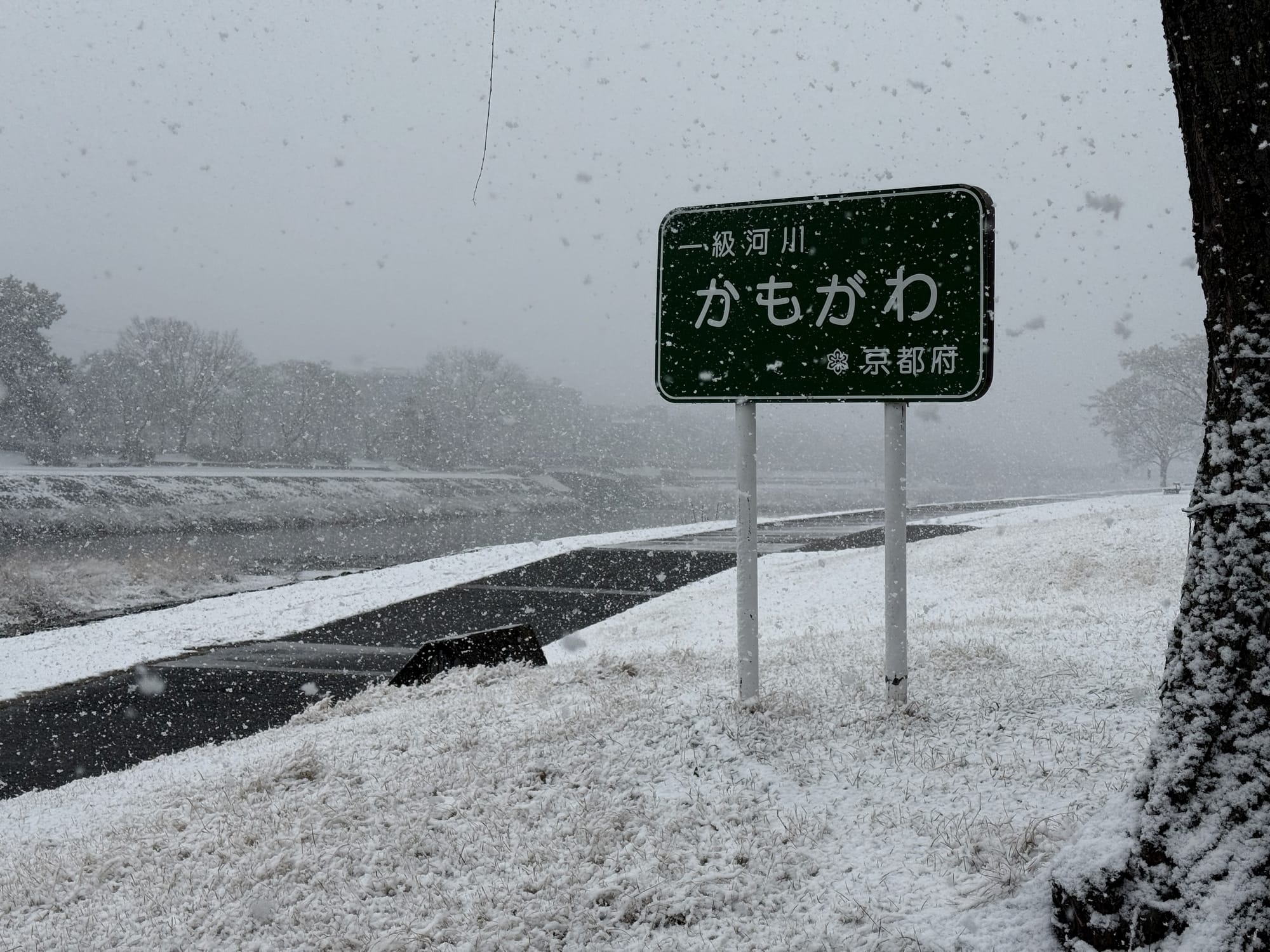
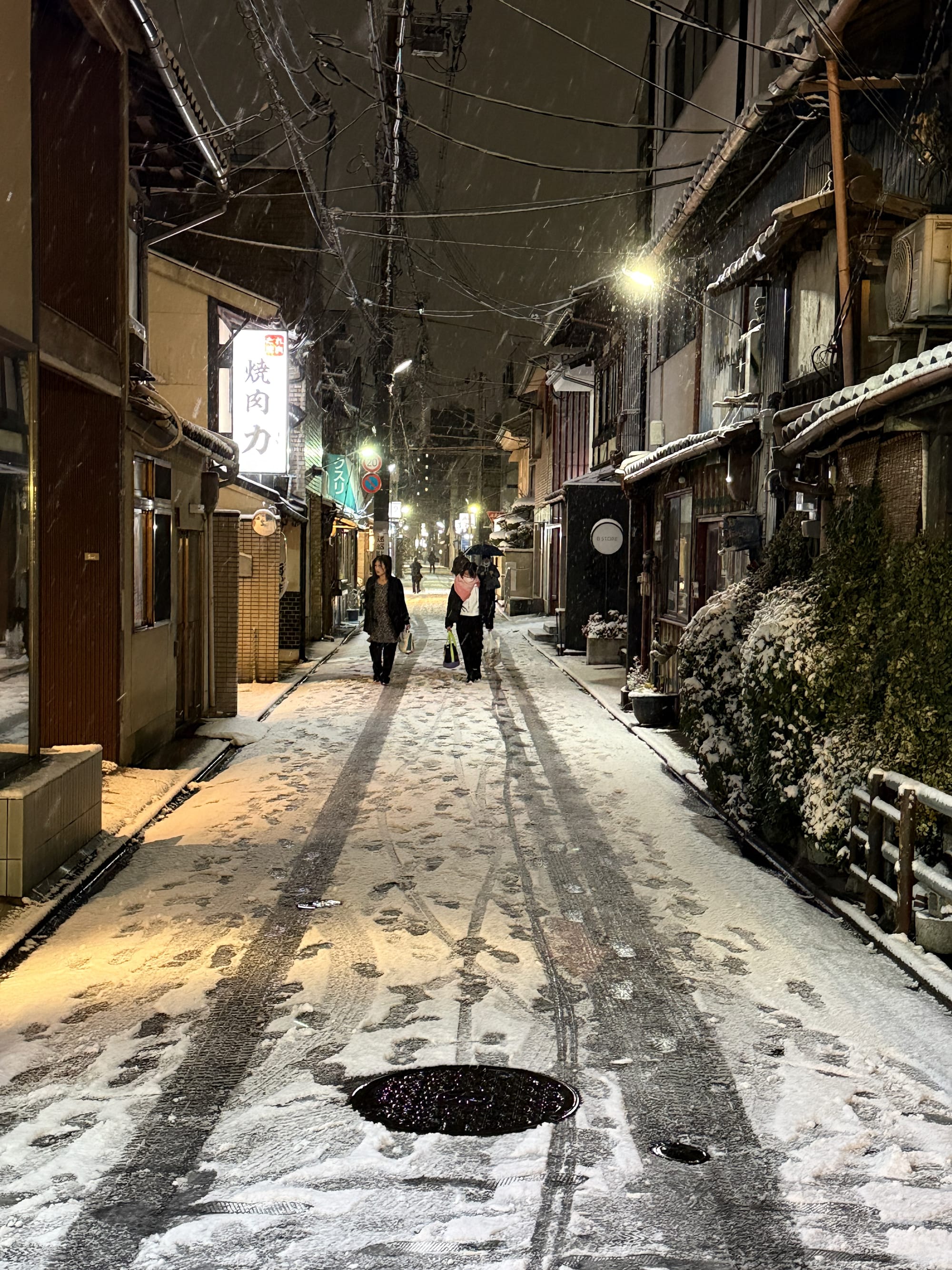
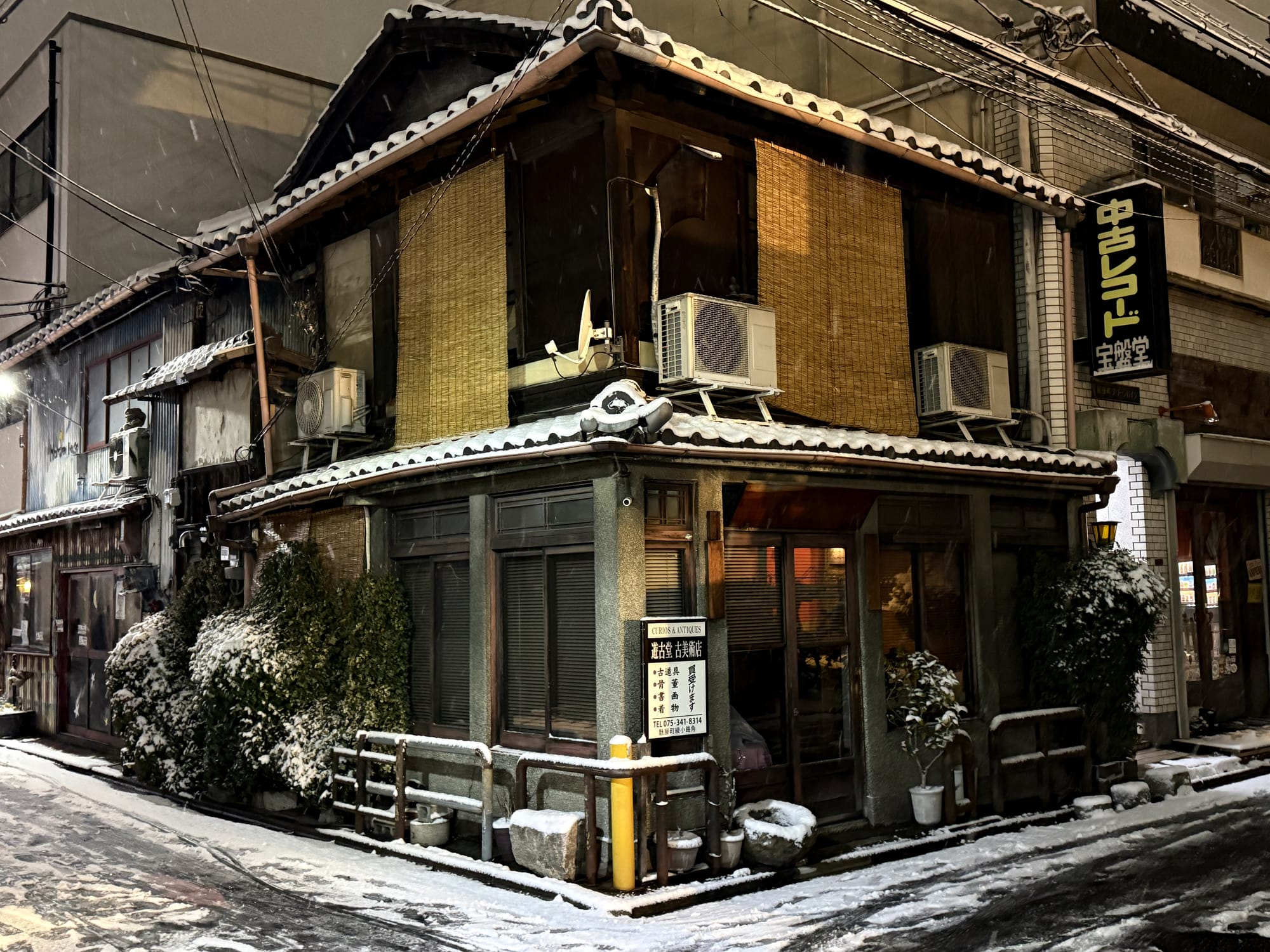
Kyoto in snow
Still... spring is just around the corner.
Setsubun
February 3rd is a traditional Japanese festival day called Setsubun. Setsubun marks the beginning of spring in the old lunar calendar. On this day, we throw roasted soybeans to drive away evil spirits while saying, “Demons out, fortune in.”
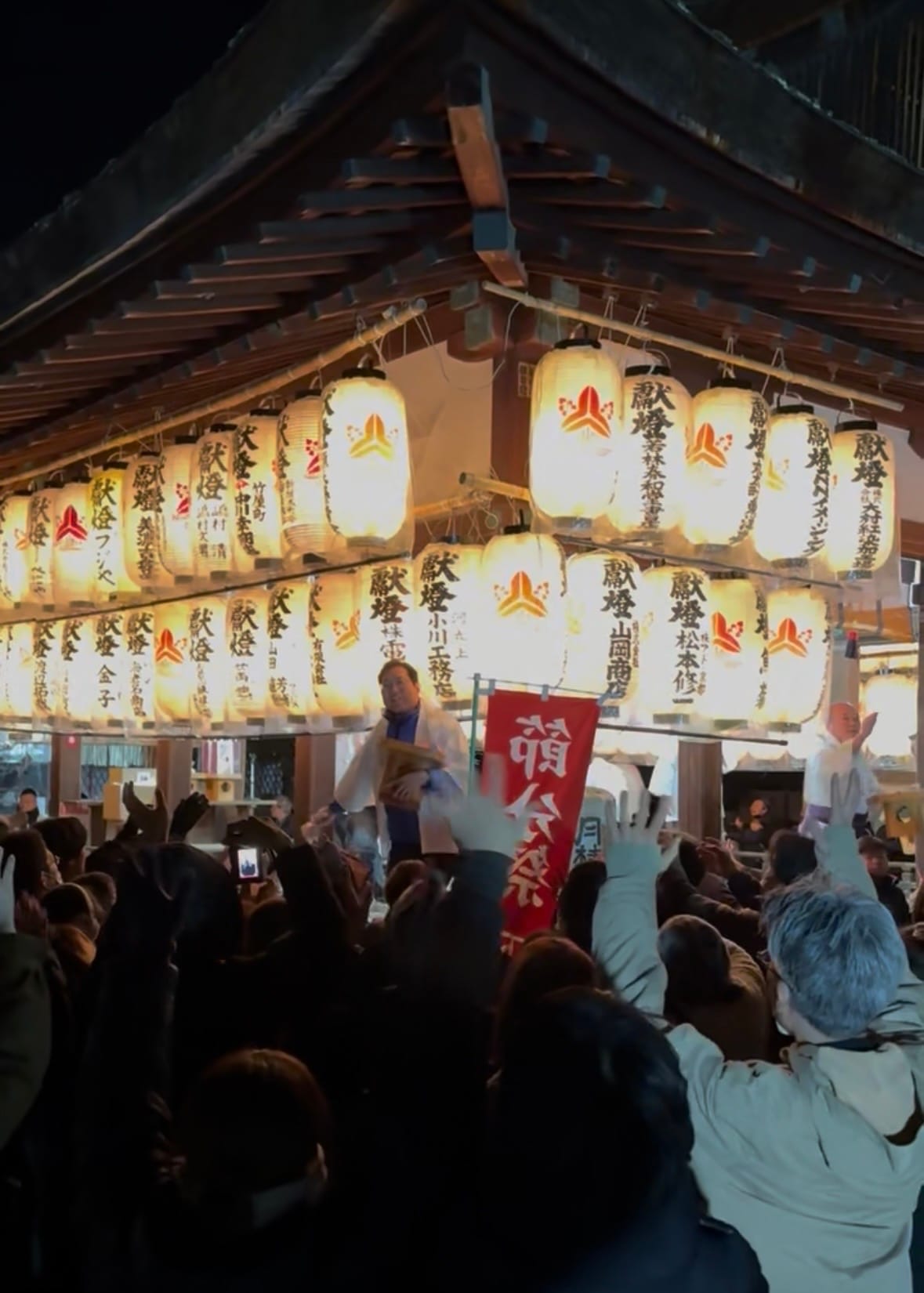
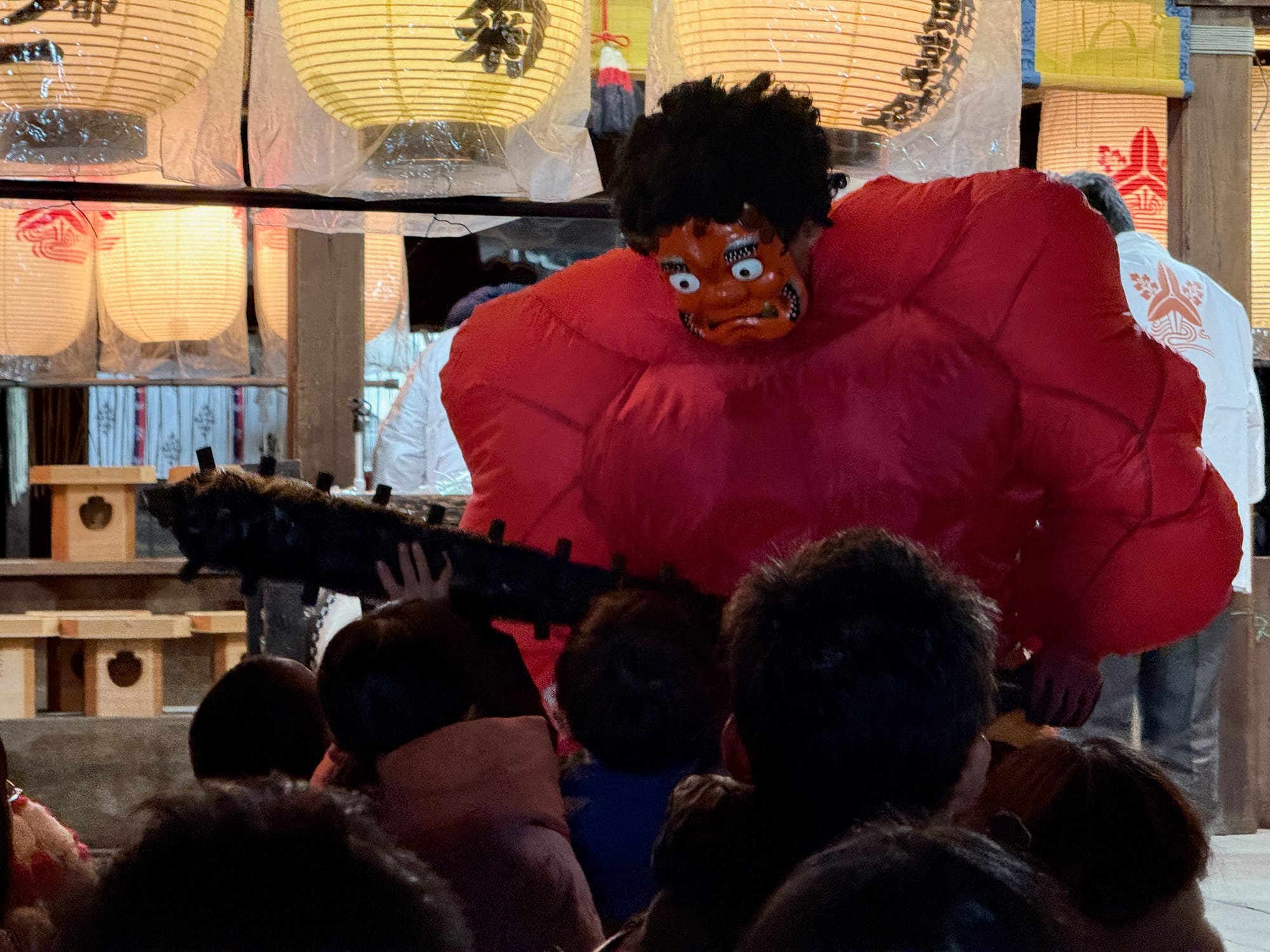
Our first Setsubun in Kyoto
When I was in kindergarten, teachers would dress up as oni (demons) and come into our classroom and shout, “Where are the bad kids?” It was a little frightening at the time, but also exciting. I still remember how my friends and I threw beans at the oni as hard as we could, laughing and screaming at the same time.
This year, we went to a shrine near our home and joined the local celebration. I haven’t seen such a large crowd in our neighborhood before. Where we usually see a slightly older crowd at local community events, because it was Setsubun there were many young children, which brought a joyful feeling to the whole thing.
My daughter absolutely loved the event. She said it was so much fun. Watching her experience Setsubun made me realize how long it had been since I celebrated it myself. It made me a bit nostalgic. Instead of being the child throwing beans at the oni, I was now watching my own daughter do the same.
Setsubun is meant to welcome a new season. For me this year, it also felt like welcoming a new stage of life.
Risshun: The Beginning of Spring
The day after Setsubun is called Risshun (立春), which means “the first day of spring” in the traditional calendar. And it felt literally true this year: the day after Setsubun was just a little warmer.
February in Japan is usually the coldest month of the year. Yet for centuries, people in Japan have said that spring begins in early February. Even if the air is still cold, something subtle begins to shift.
In flower shops and in ikebana classes, we start to use spring flowers before the weather fully changes. Tulips appear in the market around December and are usually available until early April. It feels early, but nature is already preparing.
So during this in-between time when it's not quite winter and not yet spring, how should we approach ikebana?
The key is understanding that spring flowers continue to grow in the vase. They are alive, stretching, and slowly opening.
When using growing flowers such as tulips, stock, sweet peas, or canola blossoms, it is important to cut them slightly shorter than you think. By the next day, they will be taller. They will move. They will bloom.
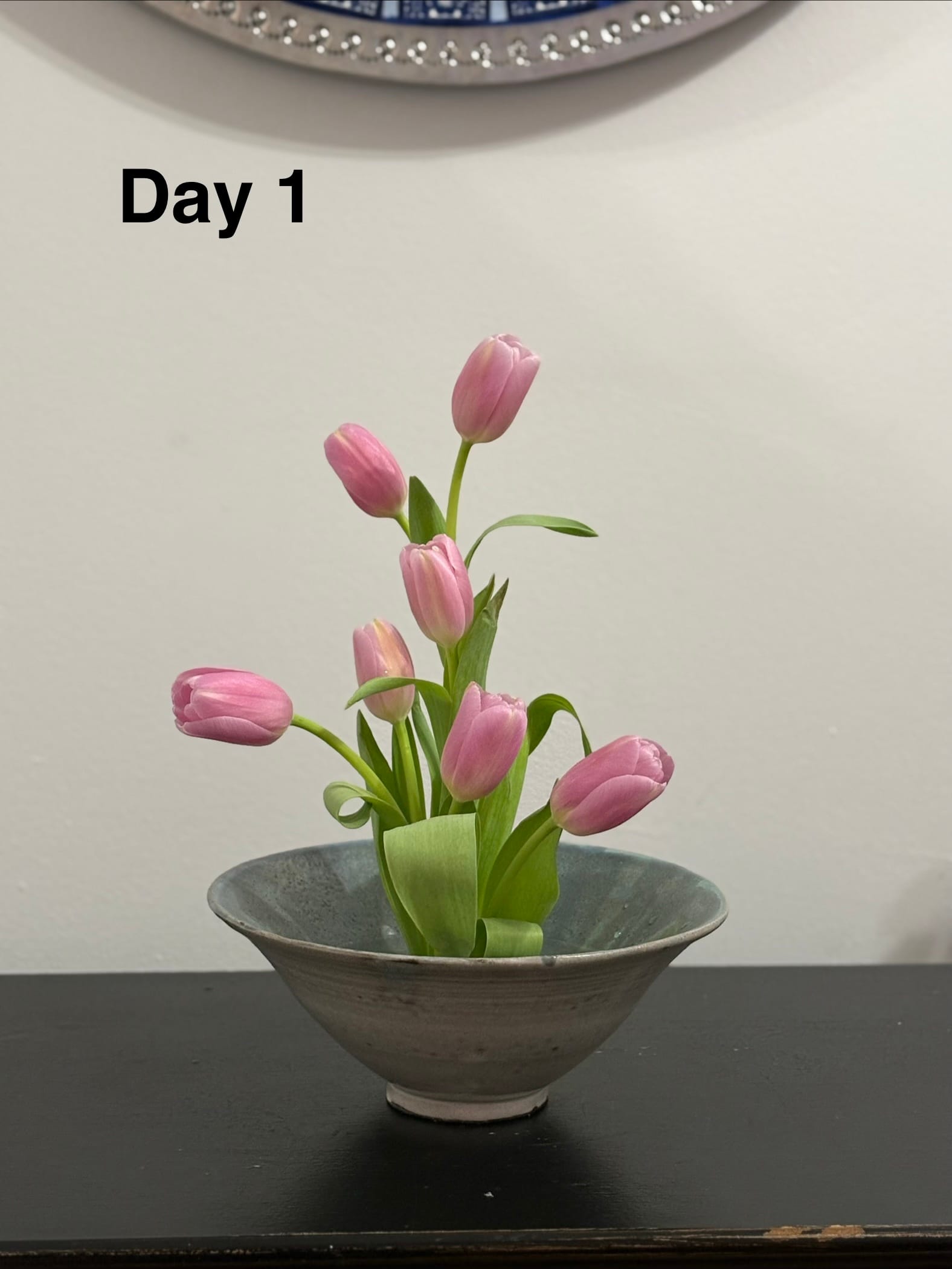
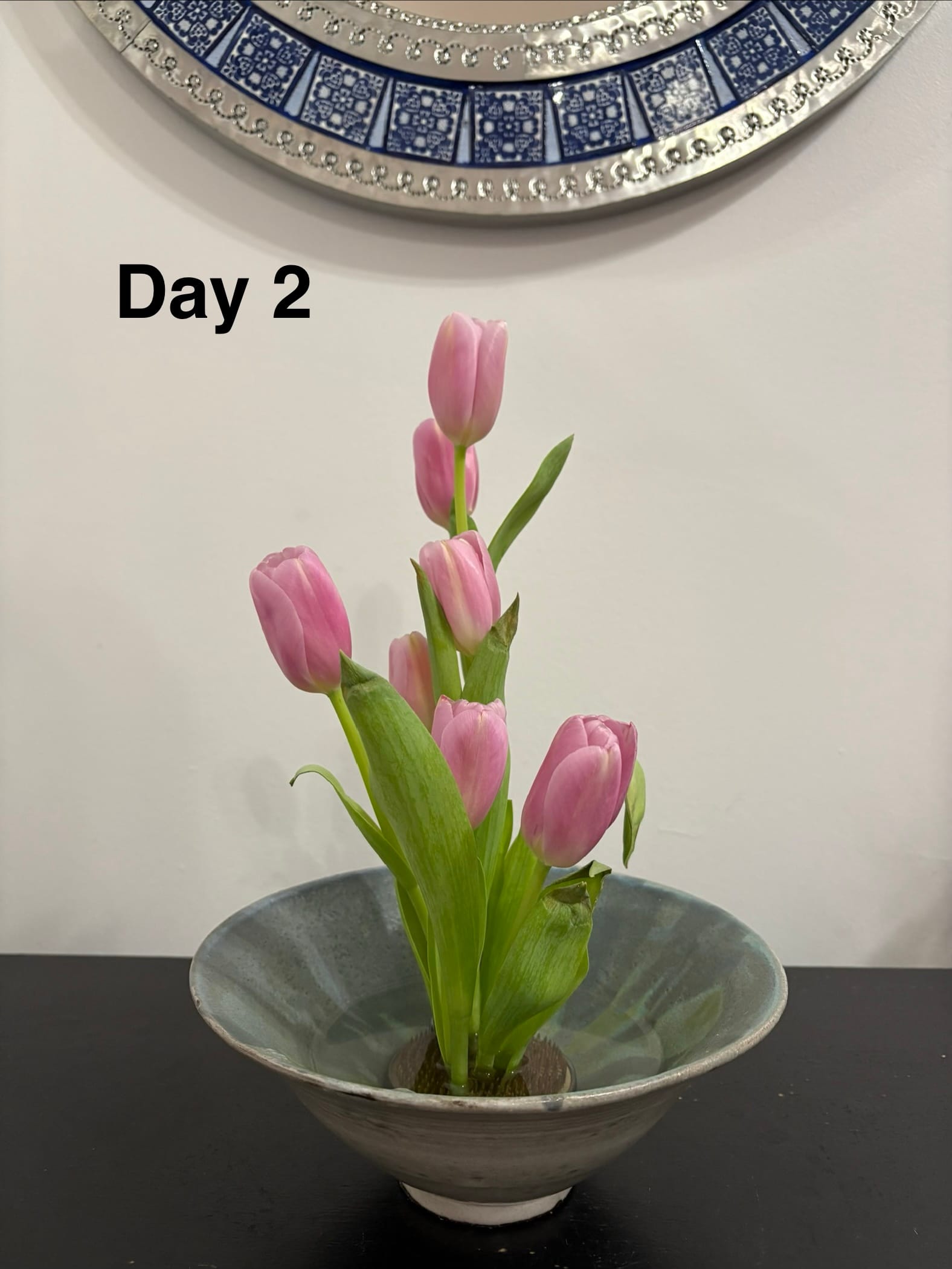
Your arrangement will change as your flowers do
When arranging them, imagine how they will grow in the vase:
- How long will they become?
- How will their faces turn?
- How will the balance of the arrangement shift once they open?
💡 You are not only designing for today. You are designing for tomorrow.
Using spring flowers requires observation and knowledge. You must understand how each flower behaves, how it stretches toward light, how it continues its life even after being cut.
Ikebana at this time of year is an act of imagining the future shape of the flowers.
My advice is simple:
Imagine your stems gently stretching in the vase. Then give them space to do so. Create a little breathing room in your arrangement, like space where the flowers can grow comfortably.
I’ve attached a short video showing how flowers change in the vase over time. Watching this transformation is one of the quiet joys of spring ikebana.
Beginners often seek to control the shape of their flowers. It's understandable because that's what it looks like we're doing on the surface.
Ikebana is also about trusting the movement of your stems.
If you have any questions, I’m always happy to hear from you.
With gratitude,
Ryoko