
From Temple to Table: an Ikebana Journey in Kyoto
We go from Rokkaku-dō temple to a Kyoto Sanjo flower shop. Then from the Kamo River to the HanaYou Ikebana Studio.
After a long, cold winter, spring is finally coming to Kyoto. Chirps of new baby birds are audible in the mornings. Trees are beginning to bloom with magnolias and plum blossoms while we wait for the cherry blossoms to arrive (more on that at the very end of this post).
Spring naturally brings new beginnings of all kinds, including for HanaYou. There are a couple of fresh things I'd like to share.
First, I'm experimenting with making the HanaYou Ikebana Journal free for all readers, starting with this issue. My hope is that this makes it easier for you to keep a bit of ikebana and Japanese culture in your life. Please let me know what you think!
Second, I've been working with a new partner behind the scenes to put together a deeply immersive experience for HanaYou guests here in Kyoto. I will have more on that to share over time, but in this post, I'll walk you through the pilot run of HanaYou's new "Temple to Table" offering.
But first, I had an unexpected encounter with an NYC eatery right here in Kyoto and I want to share it with you.
A Japanese eatery from NYC comes to Kyoto
On March 10th, I visited the soft opening of a sandwich shop in Kiyomizu, Kyoto called Taku Sando. If you’ve spent time in New York, you might recognize the name. The shop originally started in Greenpoint, Brooklyn, and is also connected to Takumen in Long Island City.
Their soft opening was a friends-and-family event, so the atmosphere felt relaxed and welcoming. I enjoyed a delicious sandwich while taking in the interior space. The furniture was created by Karimoku in collaboration with Lichen, a New York-based design company. The designs are simple and clearly high-quality, but also very practical, which I really appreciate.
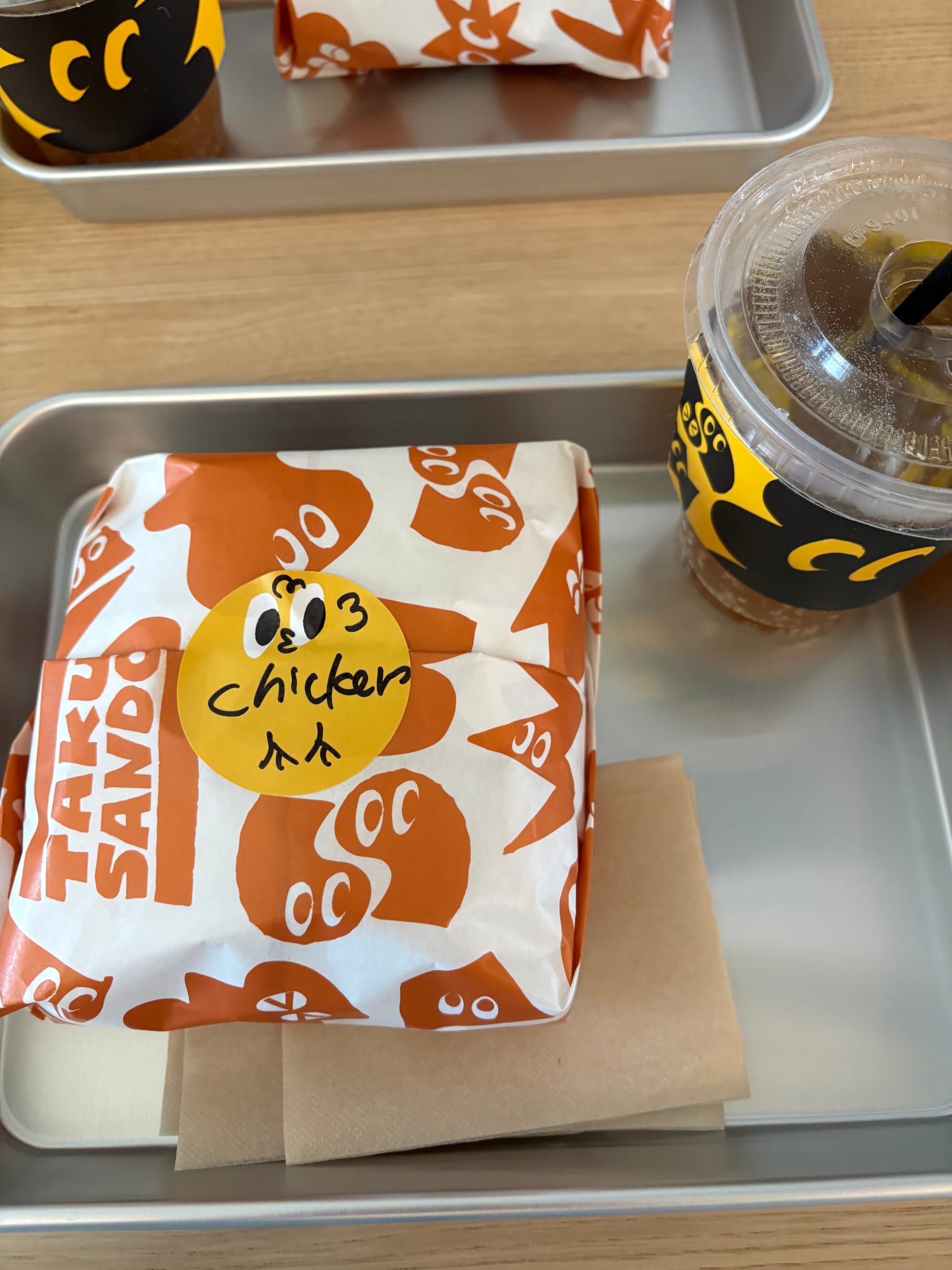
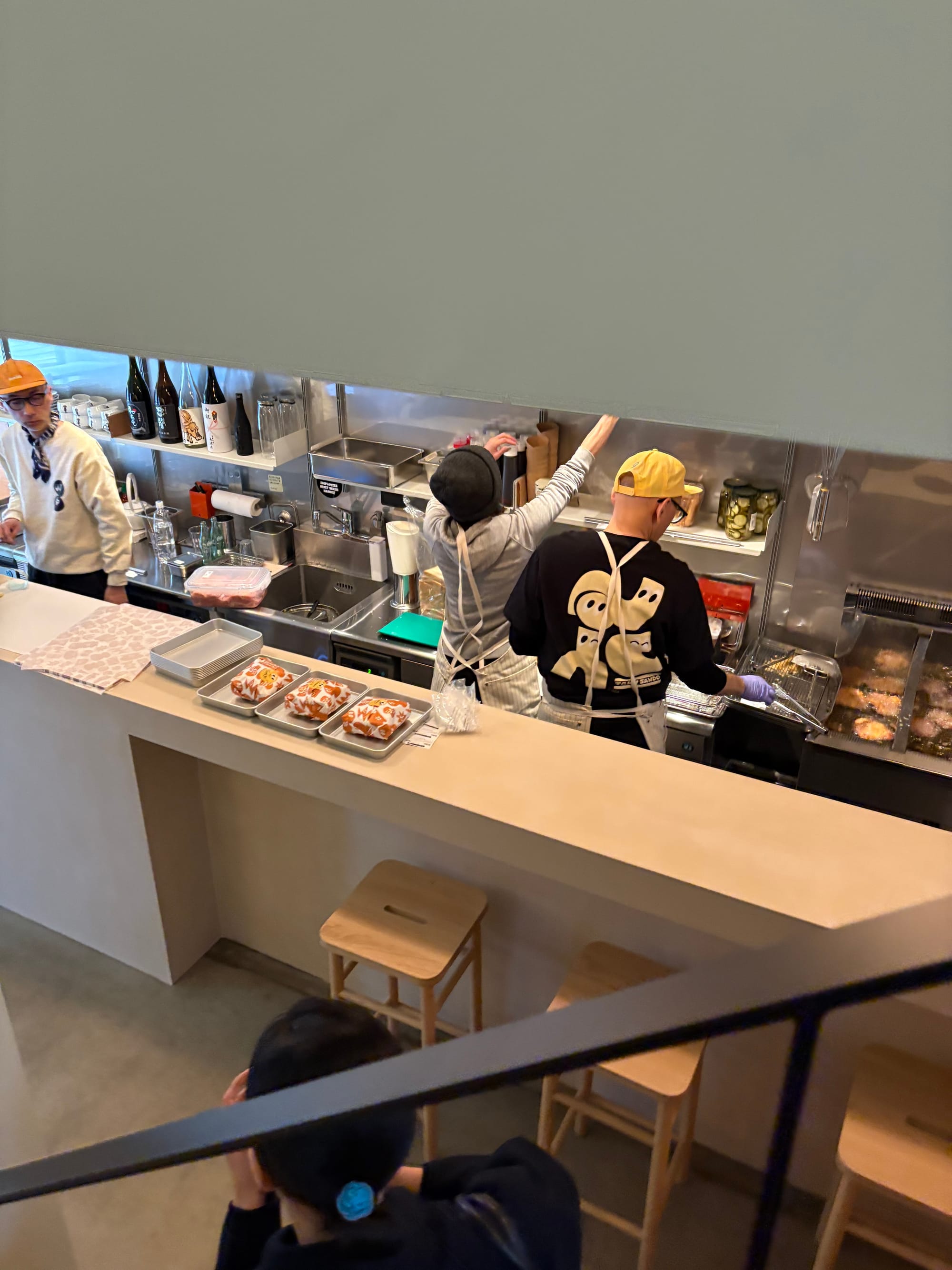
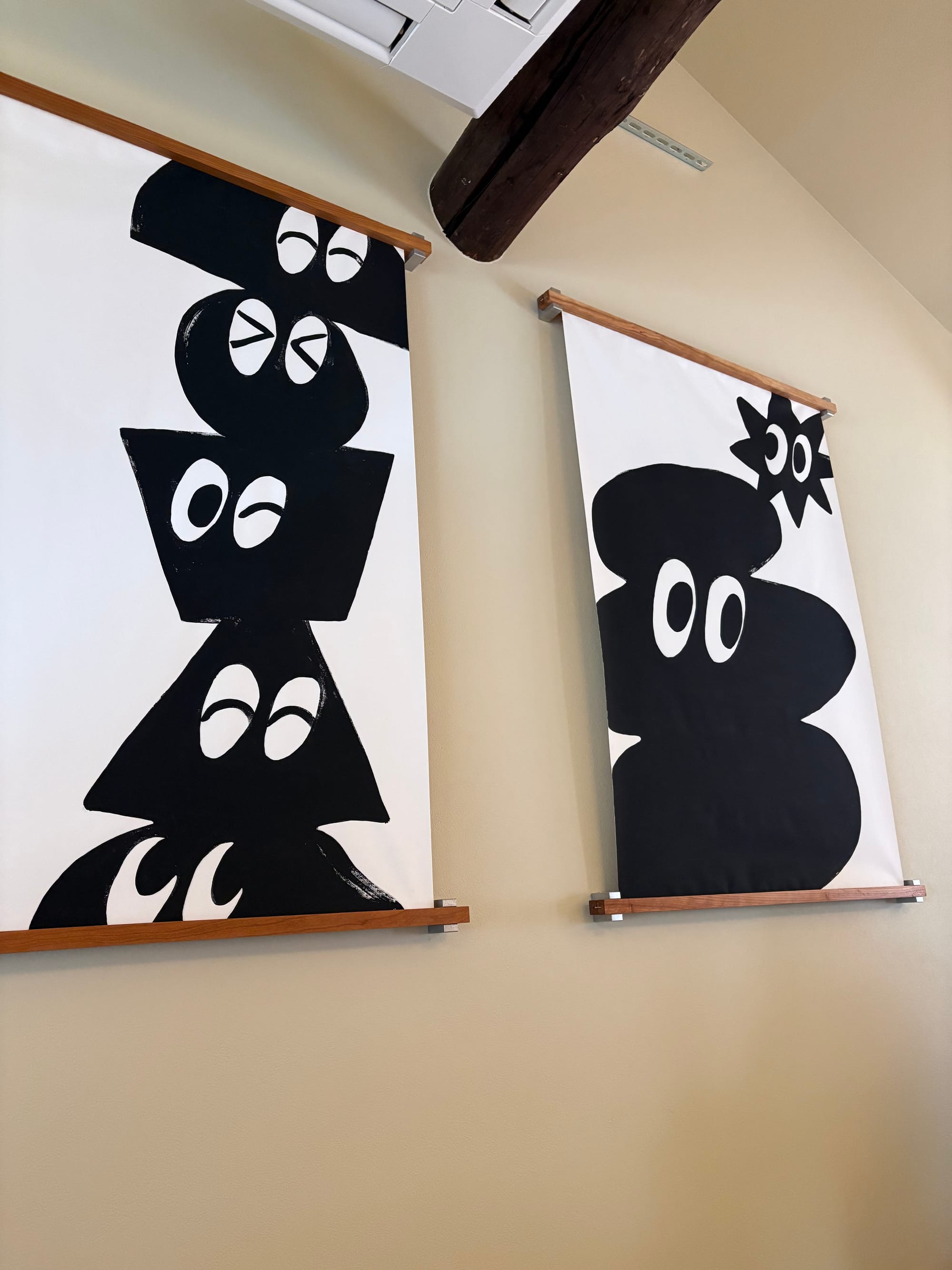
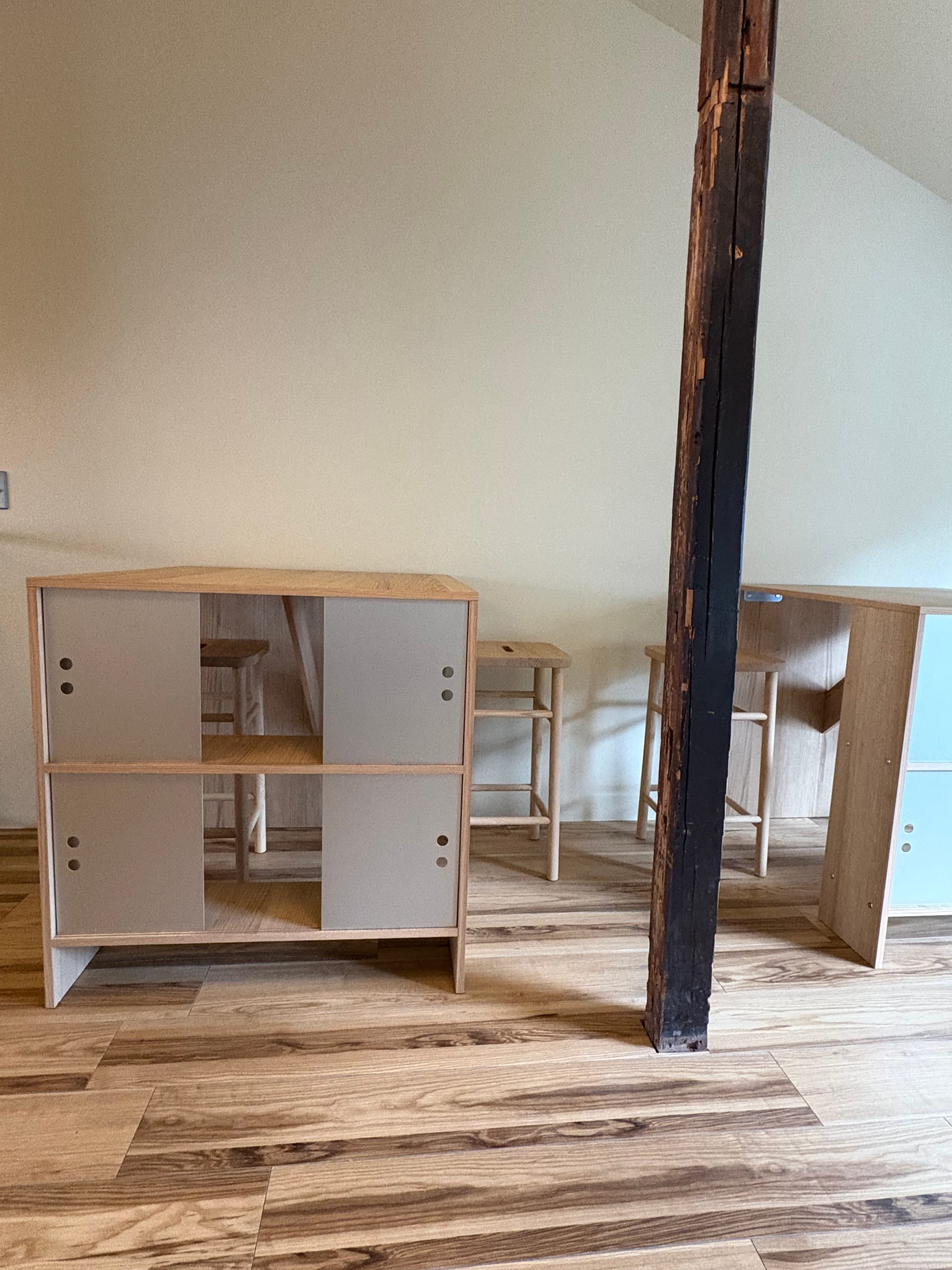
Some quick snapshots at the Taku Sando Kyoto soft opening event
After eating, I had the chance to speak with the owner. He’s originally from Japan but now lives in New York, and his energy was incredible. While we were talking, a couple of his friends stopped by. They also live in Kyoto and had previously lived in New York. Even the manager has a New York background.
Being surrounded by people with that shared experience brought back a familiar feeling. The energy of New York.
That sense of:
- If you have an idea, act on it.
- If you have connections, use them.
- Move quickly, otherwise someone else will.
Ideas and the people around you are treasures.
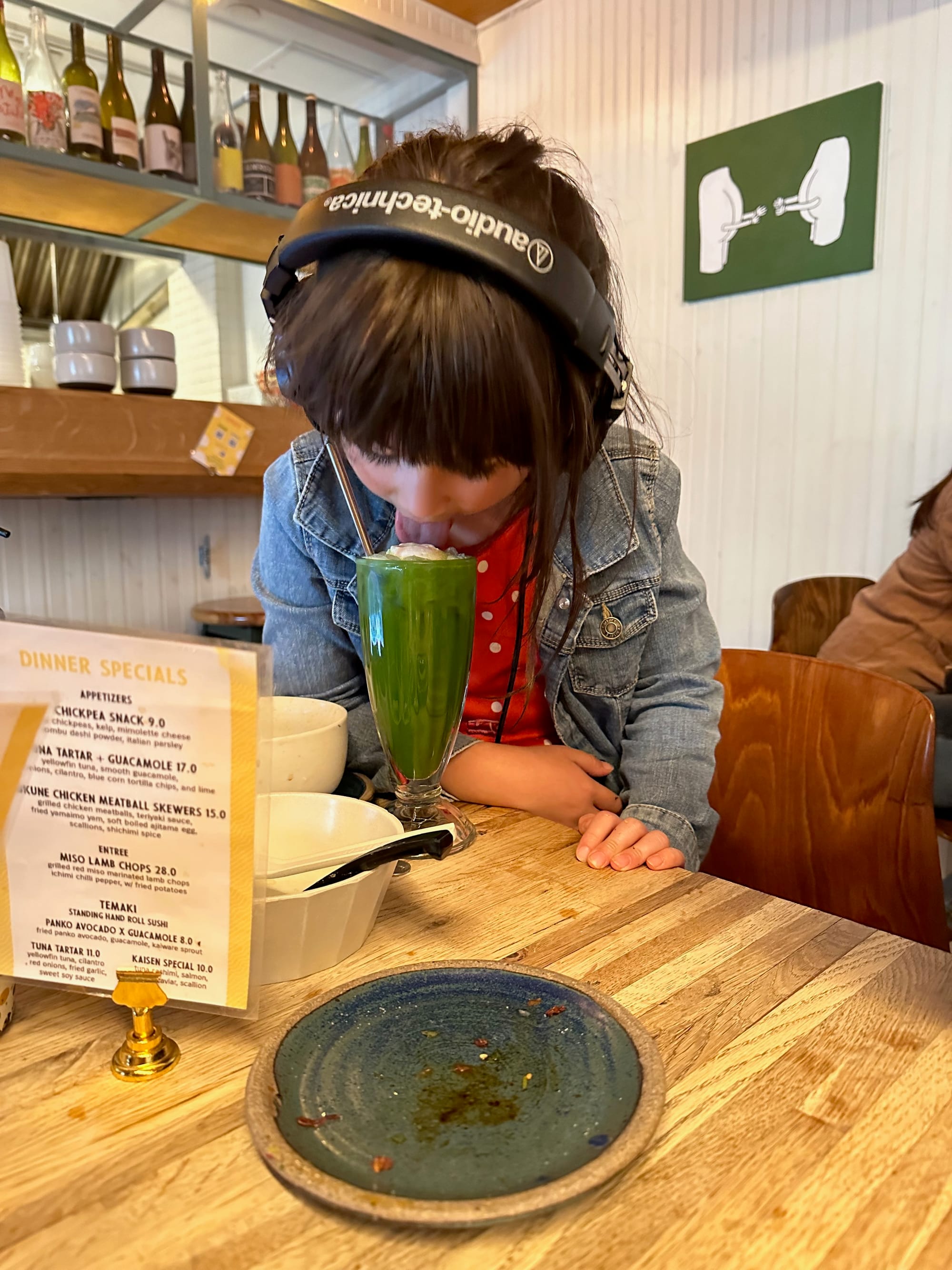
Being in that space reminded me how much I value that mindset. And here in Kyoto, I want to hold onto that same spirit.
Ikebana Tour: A Two-Day Journey
I recently had the pleasure of hosting a two-day ikebana tour for a guest visiting Kyoto from Finland.
On the first day, we spent time at the HanaYou Ikebana Studio, where I introduced him to Mishō-ryū Ikebana, the style I have been involved with for the last 16 years. We focused on the basics and traditional ideas behind the style. It was a calm and thoughtful first day.
The second day felt more like a little adventure. It was the pilot run of HanaYou's new "Temple to Table" experience.
A visit to Rokkaku-dō temple
We visited Rokkaku-dō, known as the birthplace of ikebana. It was here in the 15th century that Ikenobō Senkei developed the concept of ikebana. Before ikebana, flowers were simply offered to Buddha. Now, flower arrangement was an artform.
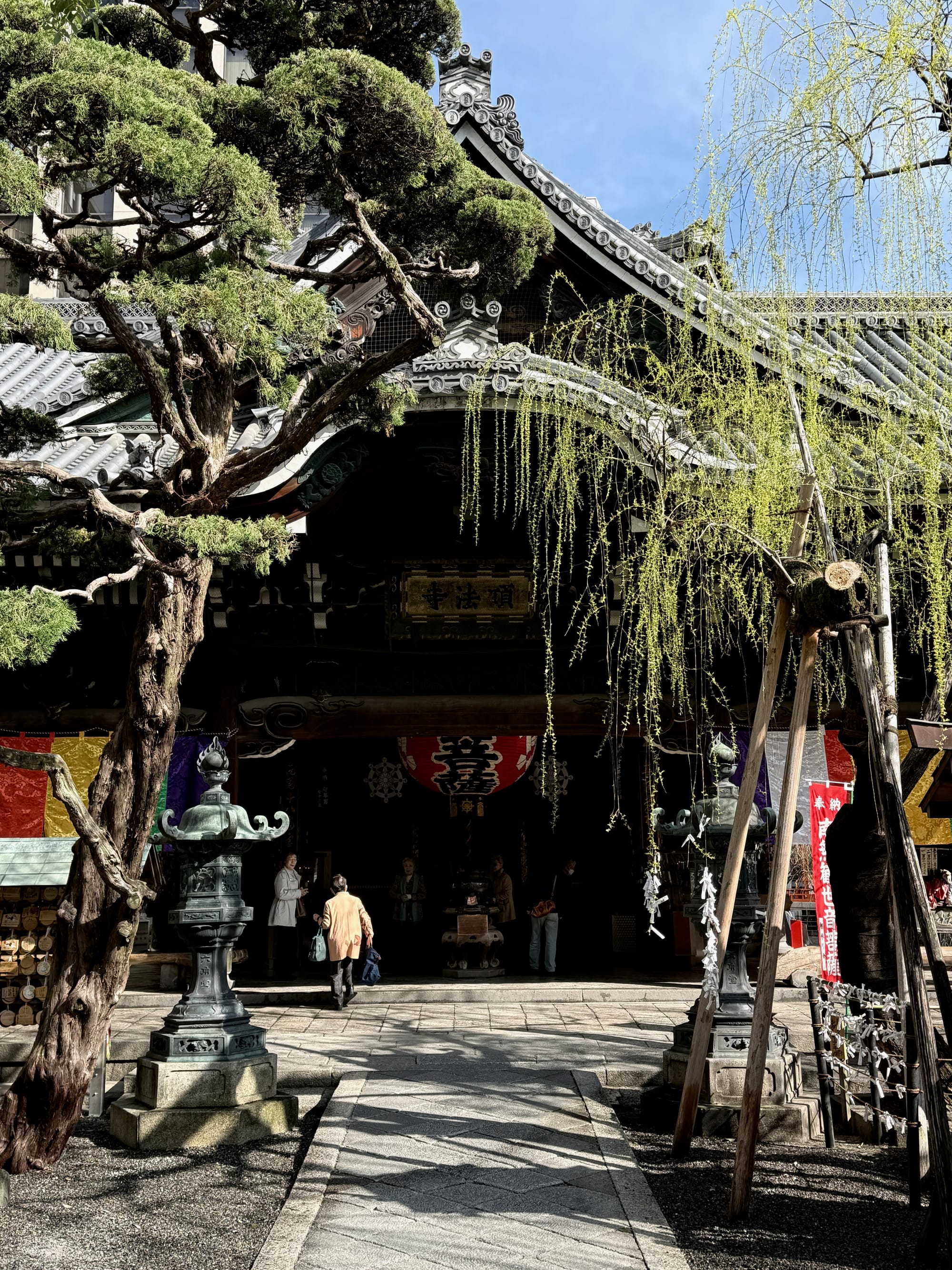
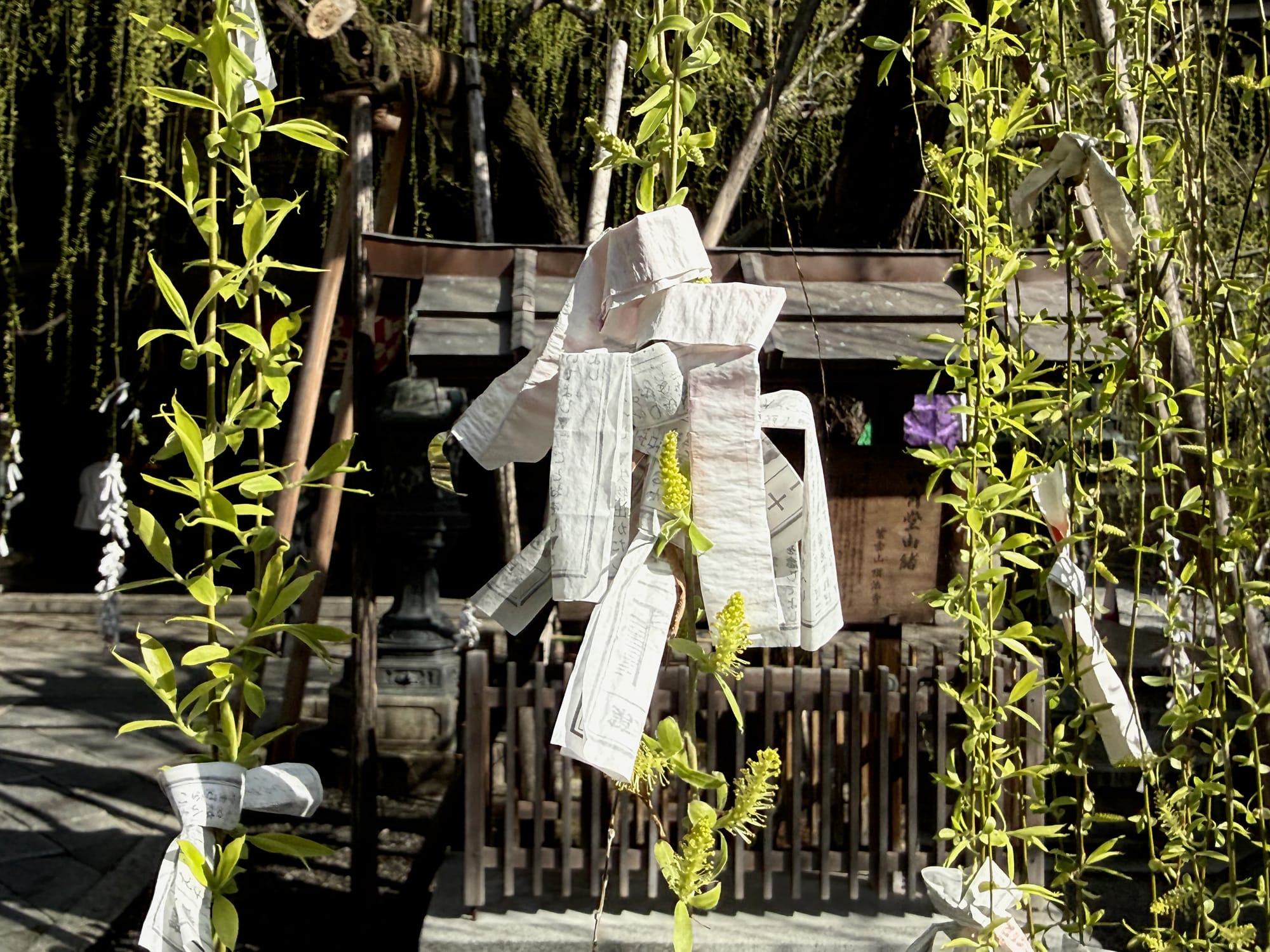
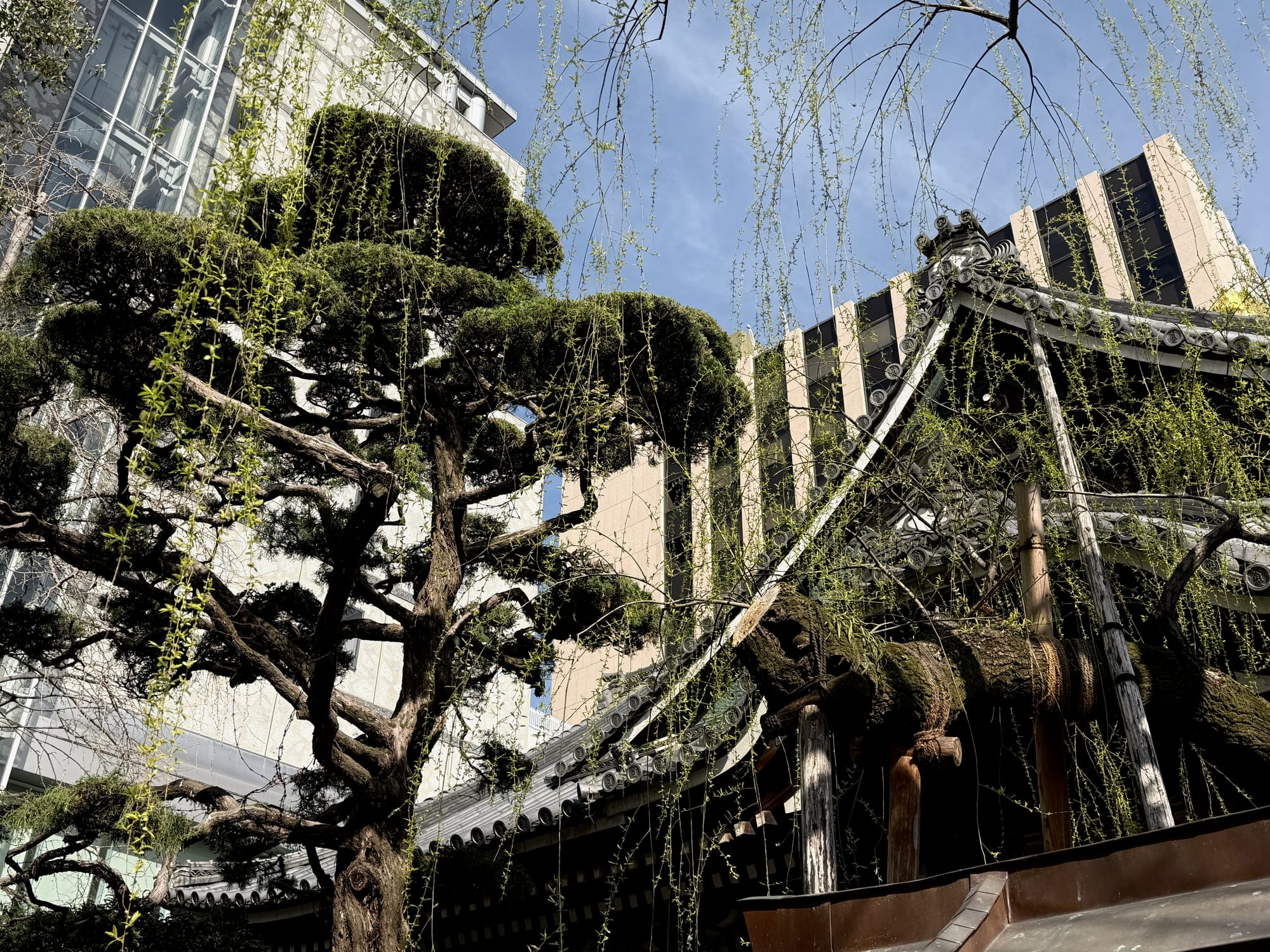
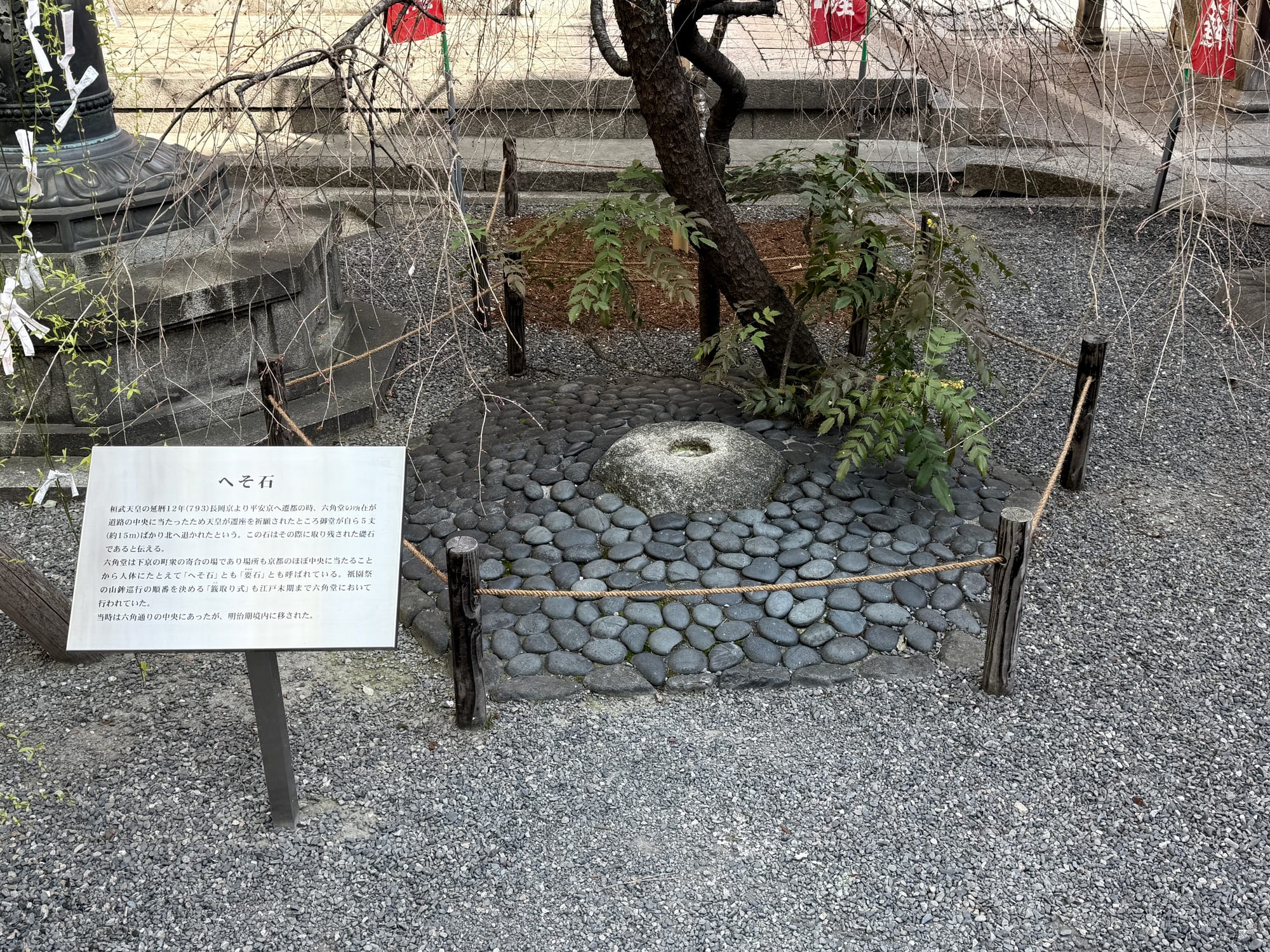
Rokkaku-dō: the birthplace of ikebana at the heart of Kyoto
Said to have been founded by Prince Shōtoku, Rokkaku-dō temple is in the very center of Kyoto. There’s even a small “navel stone” marking the center of the city. But it feels surprisingly quiet, like a small sanctuary.
You’ll also notice many pigeons there. They’re considered messengers of Kannon, the goddess of mercy, which gives the space a gentle, spiritual feeling.
A flower shop and a river walk
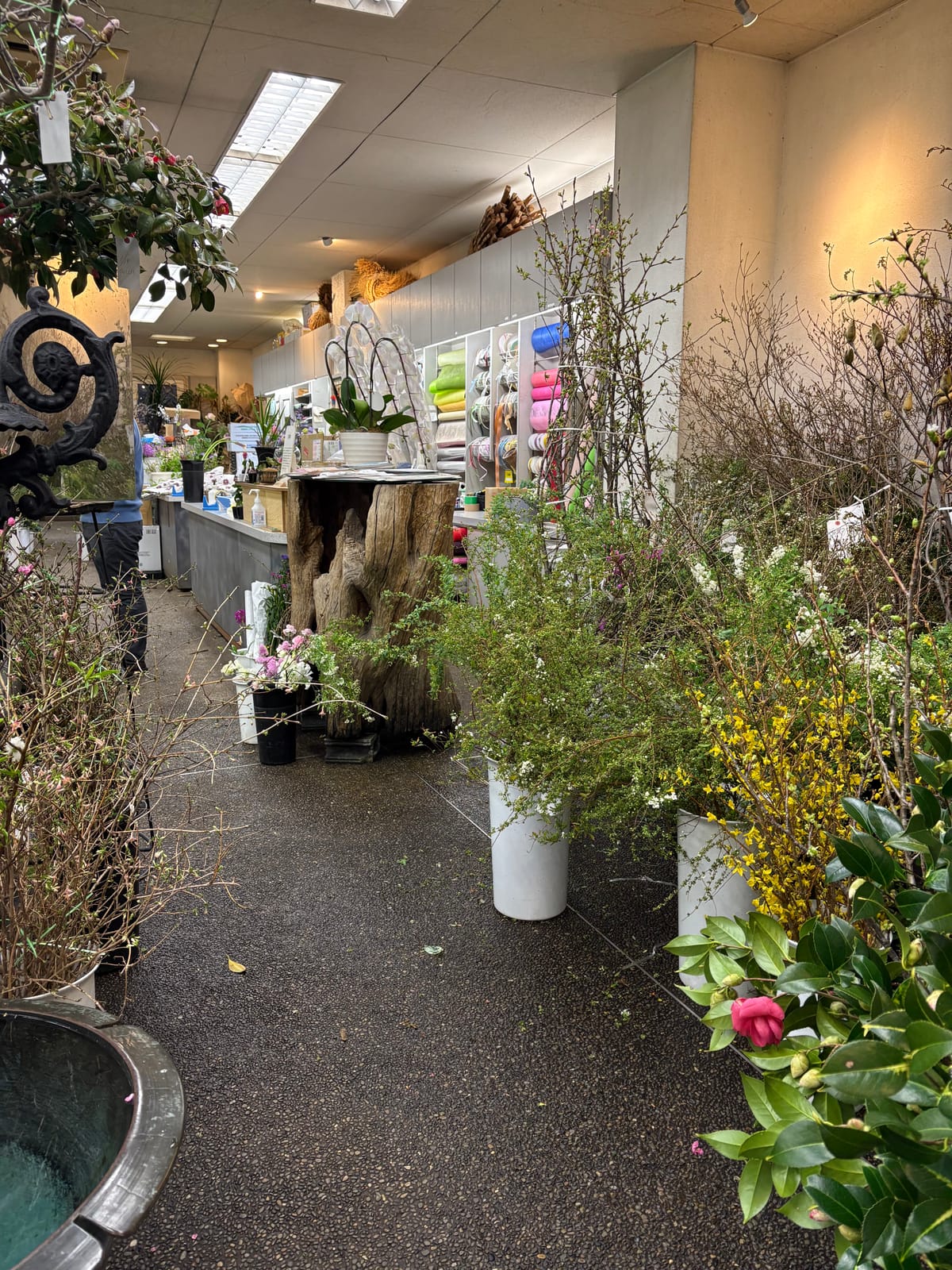
After the temple, we stopped by a flower shop in the Sanjō area of Kyoto that traces its history back to the 1800s. They carry a beautiful selection of seasonal flowers and branches, including many that you don’t often see outside of Japan. My student took his time choosing the materials for his own arrangement.
For me, visiting the flower shop together was one of the nicest parts of the day. These small, local moments and the conversations that happen there are where students really start to feel the culture. It's where we move from observation to interaction.
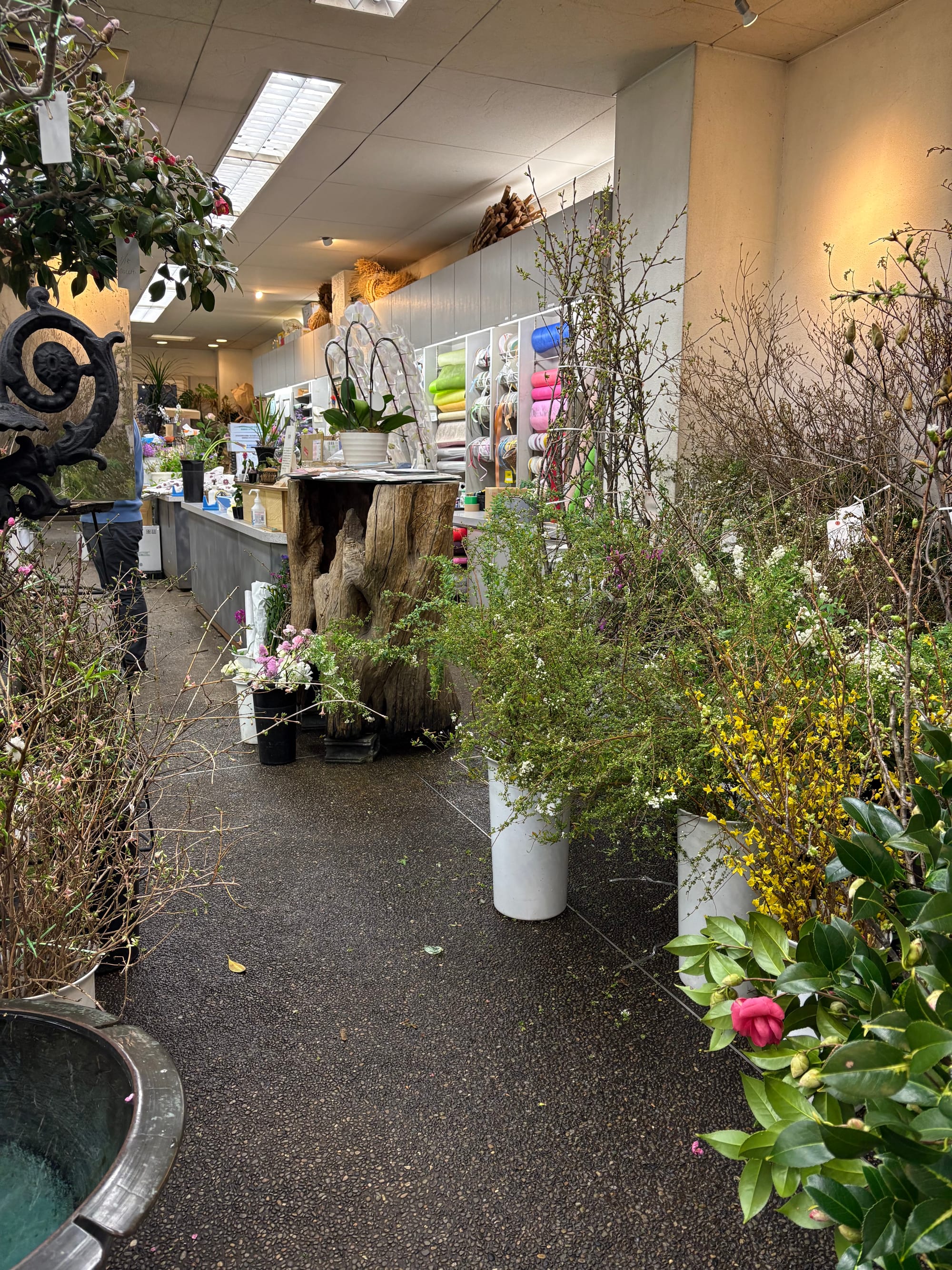
From there, we walked along the Kamo River back to HanaYou's ikebana studio. It’s only about a 10–15 minute walk and it’s such a peaceful break from the busy city streets. In any season, you can really feel Kyoto’s nature along the way.
Back at the studio, it was time to create.
Hands-on ikebana time
As I mentioned earlier, on the first day of this 2-day experience, I introduced my student to Mishō-ryū Ikebana. On day 2, we moved on to jiyuka, or free-style ikebana.
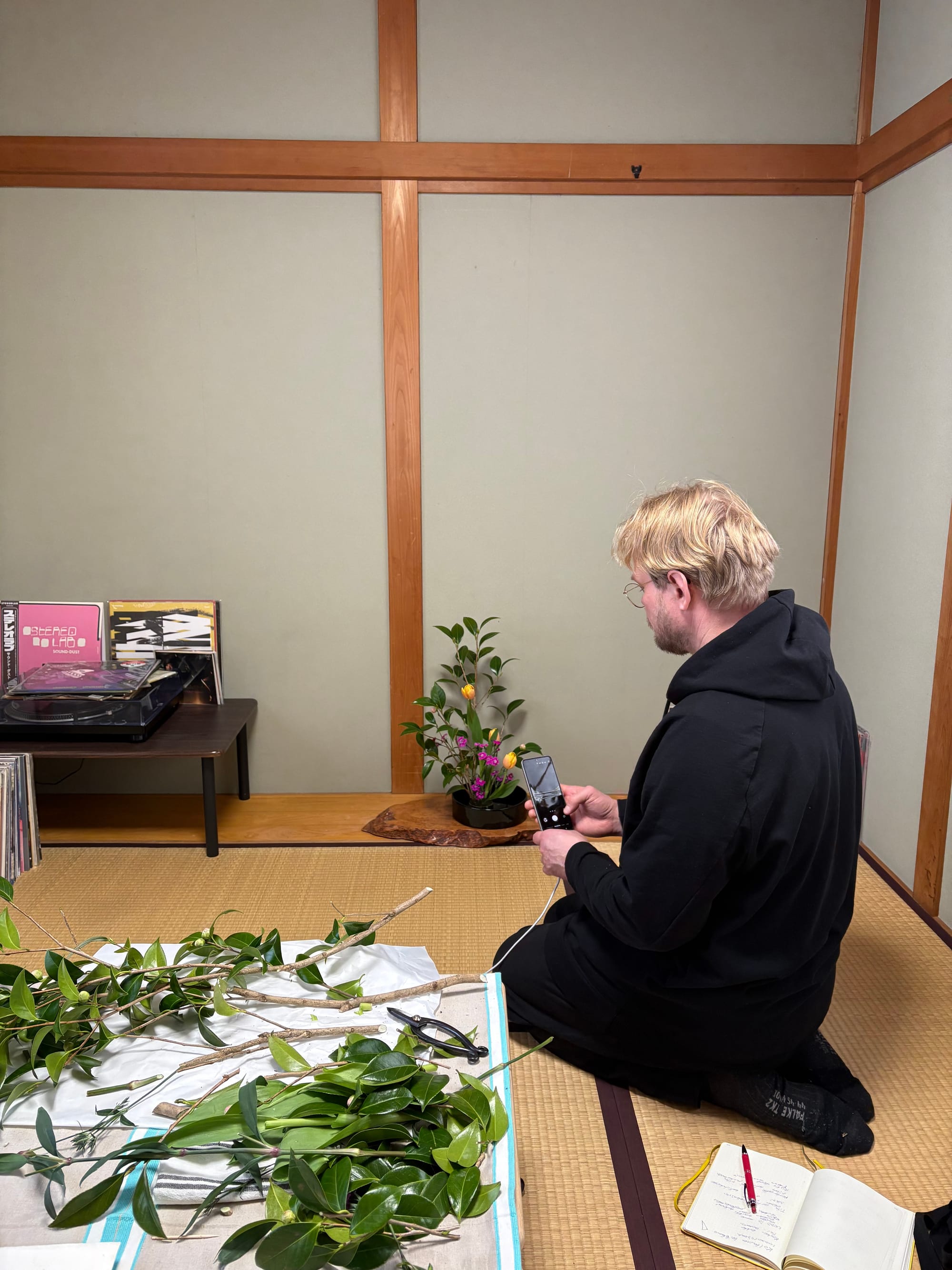
We started with a refresher on core principles and from there my student created his own design using the flowers he had chosen. I was now in the role of ikebana coach.
He picked orchids, cherry blossoms, and Fritillaria (I admit I picked these for him, but that's what a good coach is for!). Each of these flowers have distinct shapes and lines and the color combination of pink and yellow give a real spring feeling.
It’s always interesting to see how each person expresses themself within the structure. At the end, we had a discussion about ikebana design over green tea and sweet strawberries.
I hope you're as excited about this "Temple to Table" offering as I am. This is a new option that will sit alongside the 90-minute hands-on sessions that guests around the world have come to love.
For those with a bit more time and a desire to try something deeply immersive, "Temple to Table" will be an unforgettable journey.
Now we wait for cherry blossoms
It might surprise some readers to know that Japan has cherry blossom forecasts. Kyoto is currently forecasted for peak cherry blossoms from March 29 to April 6.
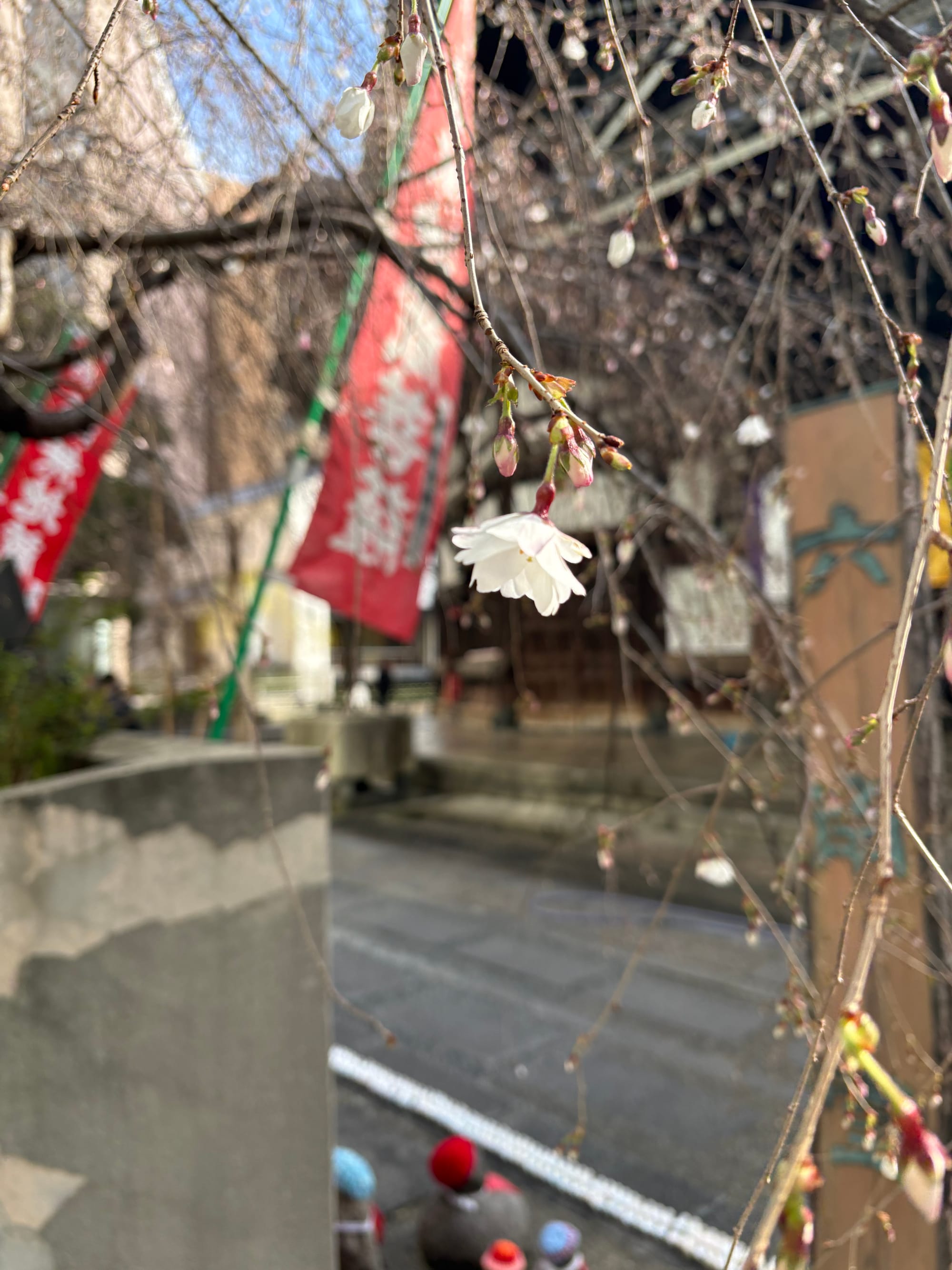
Our family already has several hanami scheduled with different friend groups. If you're lucky enough to live near blooming trees of any kind in this season, a hanami is a tradition I'd recommend to anyone.