
Autumn in Kyoto: Festivals, Ikebana Tools, and Nageire Lessons
Experience Kyoto’s autumn festivals and learn ikebana at home, from caring for tools to creating elegant Nageire arrangements without a kenzan.
Get the HanaYou Ikebana Journal in your inbox.
🌾 What Reminds You That Autumn Has Come?
In Japan, the arrival of autumn is marked by Shūbun no Hi (秋分の日), or Autumnal Equinox Day. Across the country, people celebrate the change of seasons through festivals.
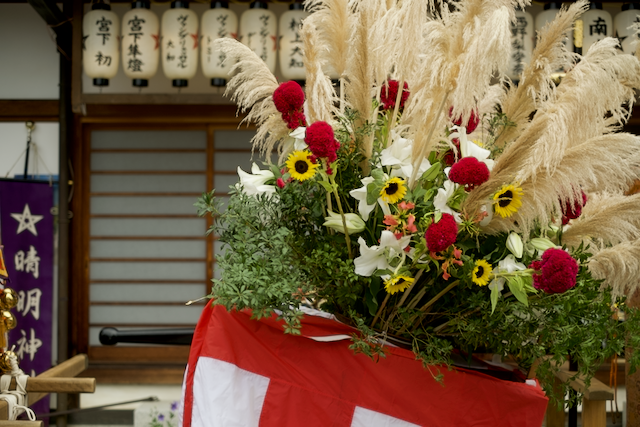
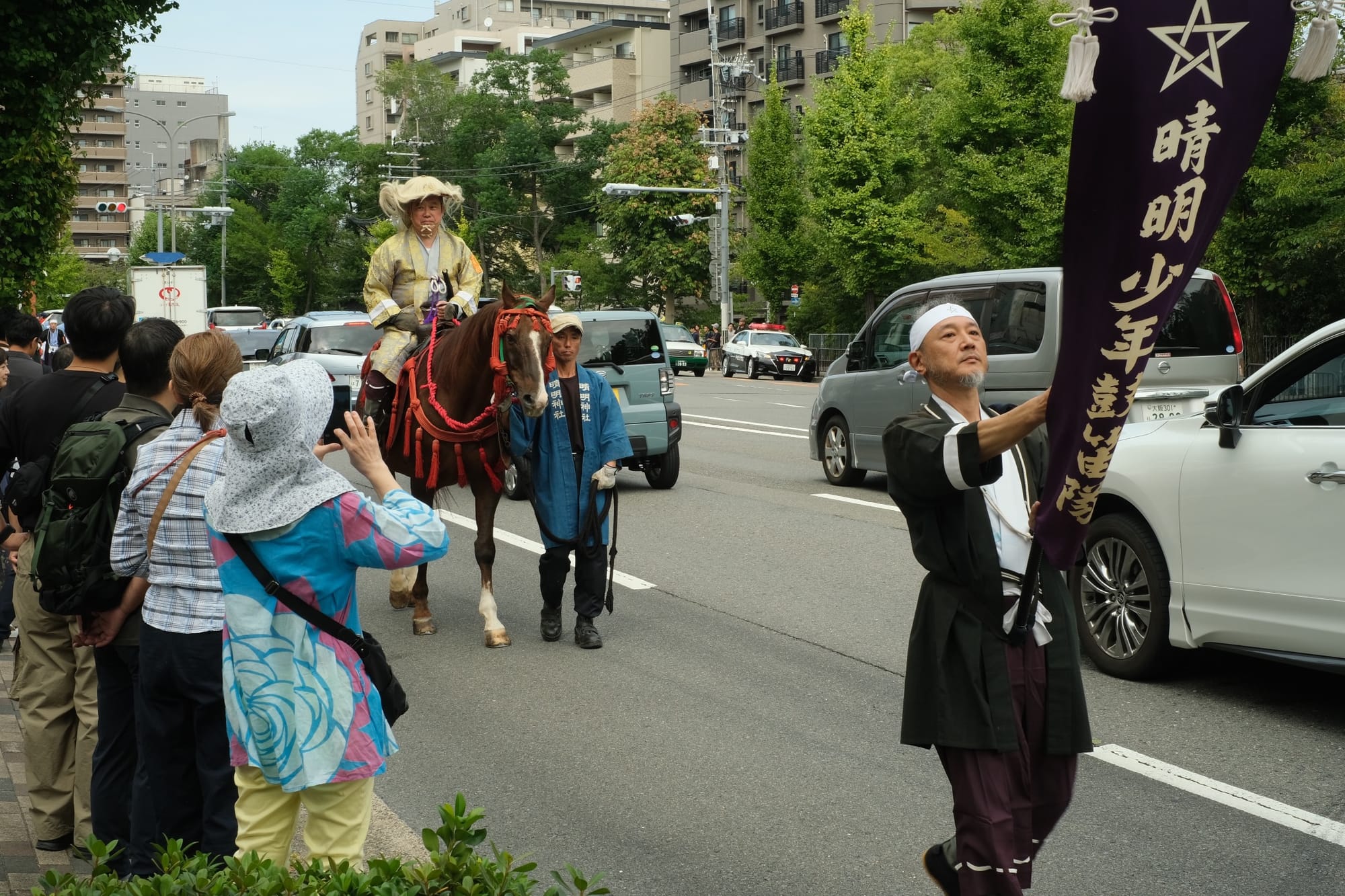
This year, our family joined such a festival at Seimei Shrine in Kyoto. Built to honor Abe no Seimei, a legendary onmyōji (spiritual master) known for his wisdom and mystical powers, the shrine’s five-pointed star represents harmony within nature and protection from misfortune. Many people visit to pray for good fortune, safety, and purification.
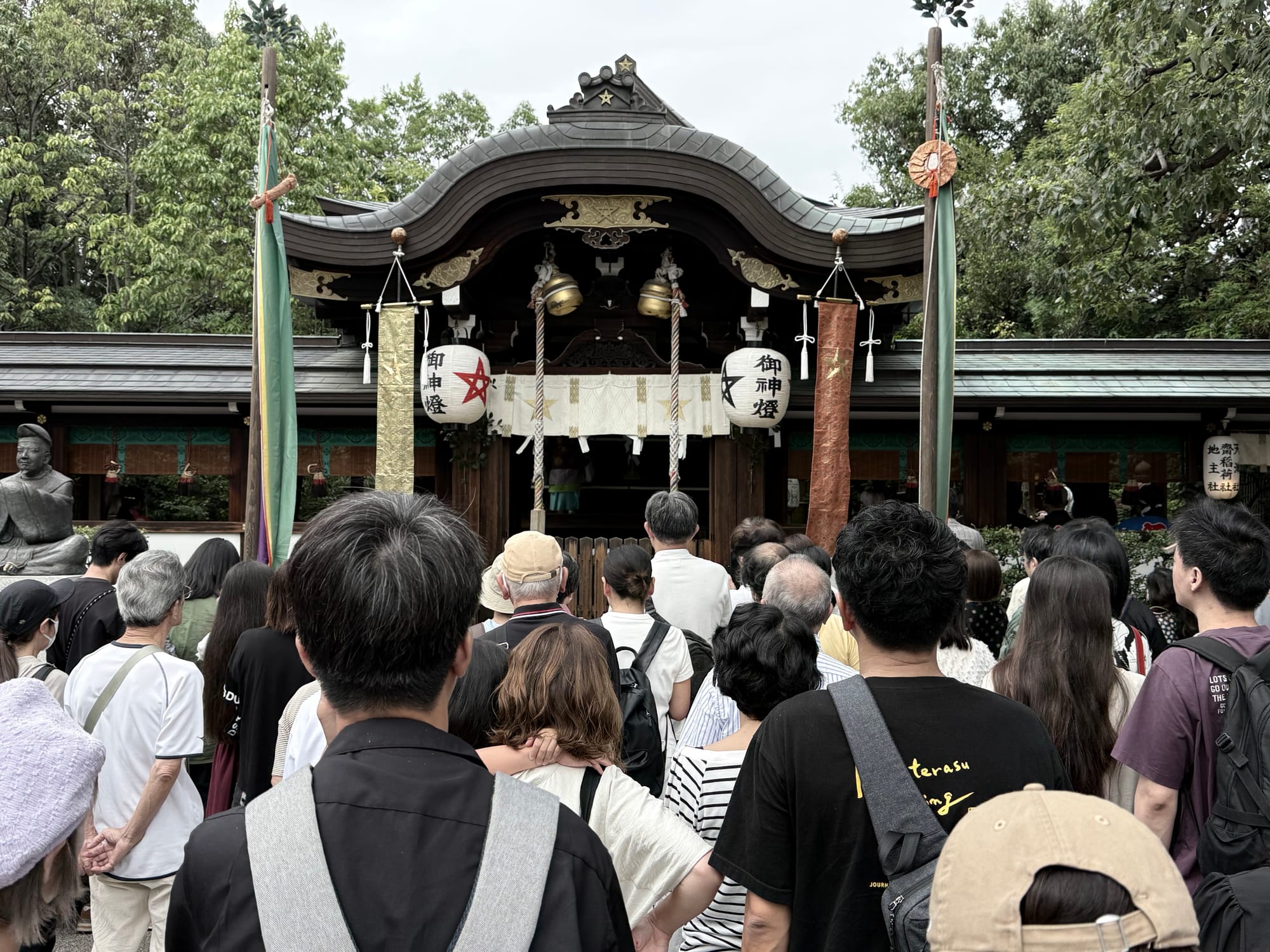
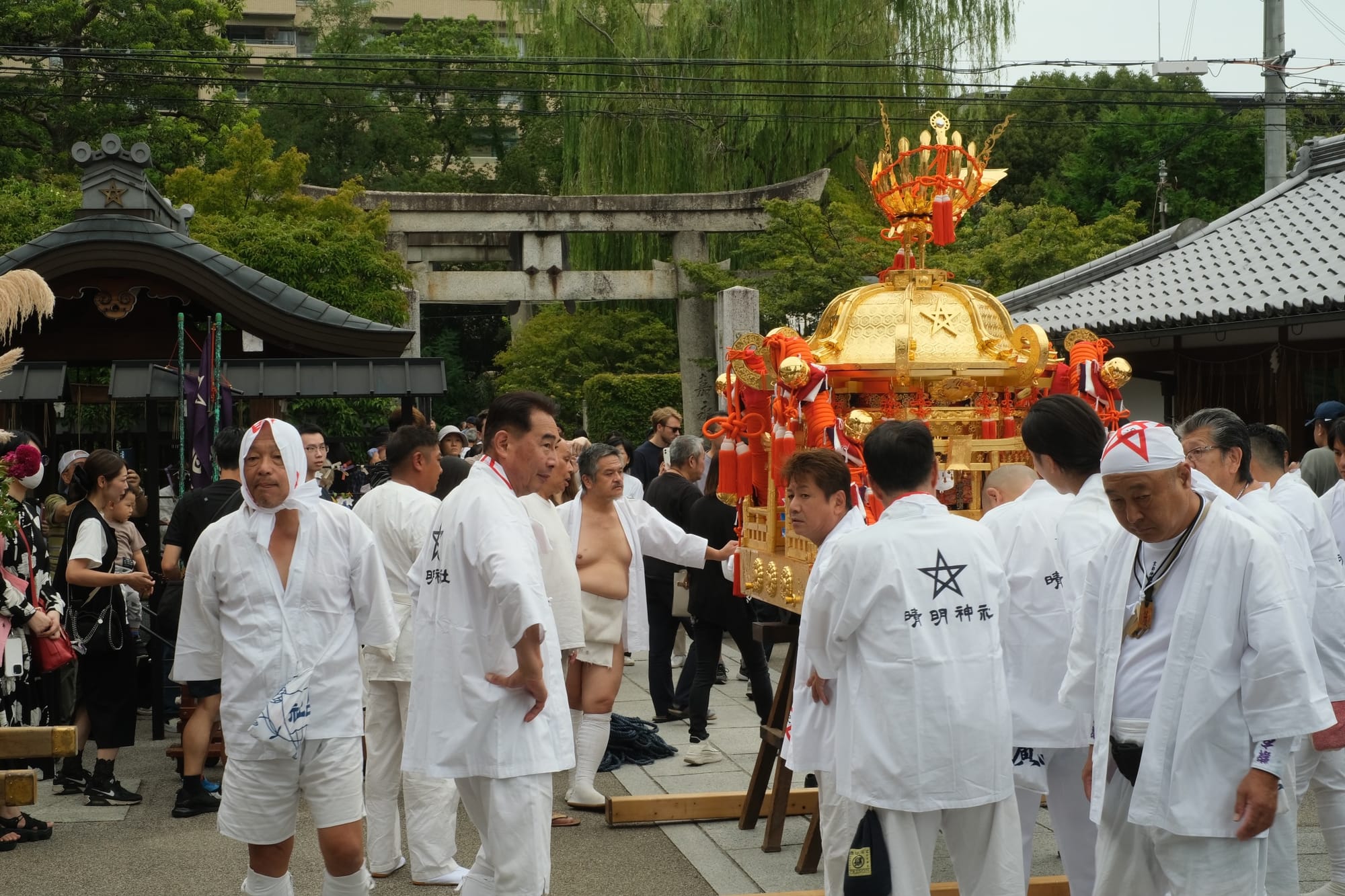
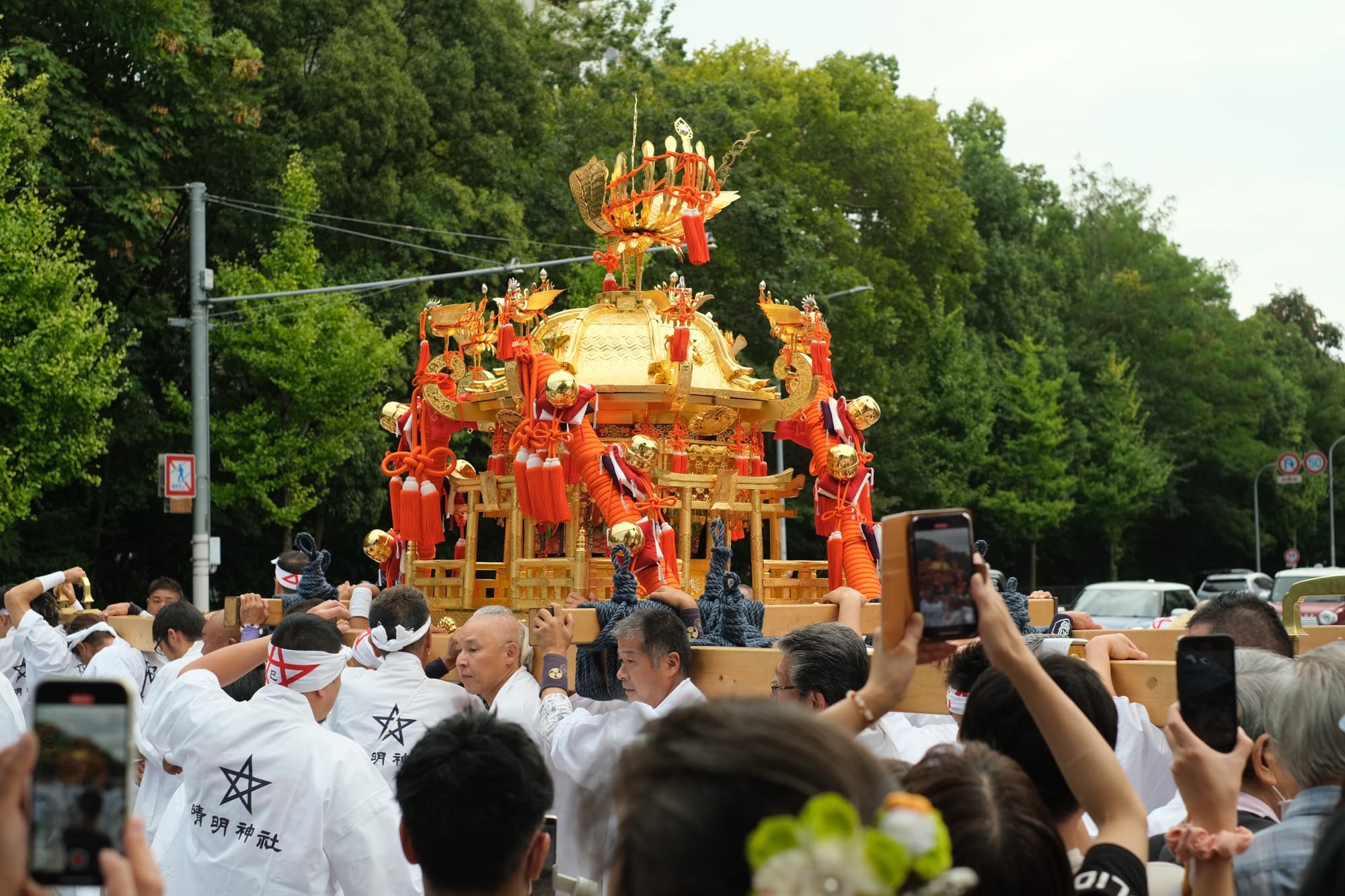
The ceremony started with a solemn prayer led by the shrine’s priestess, accompanied by the gentle sounds of bells and Japanese flutes. Soon after, local men prepared to carry a mikoshi (portable shrine), and the air grew filled with a quiet sense of tension and excitement.
By early afternoon, the streets came alive with a grand parade. Horses and people dressed in elegant Heian-period attire filled the city with color and music. As the drums and flutes echoed, the parade moved through the busy city—yet the space around us felt calm, sacred, and timeless.
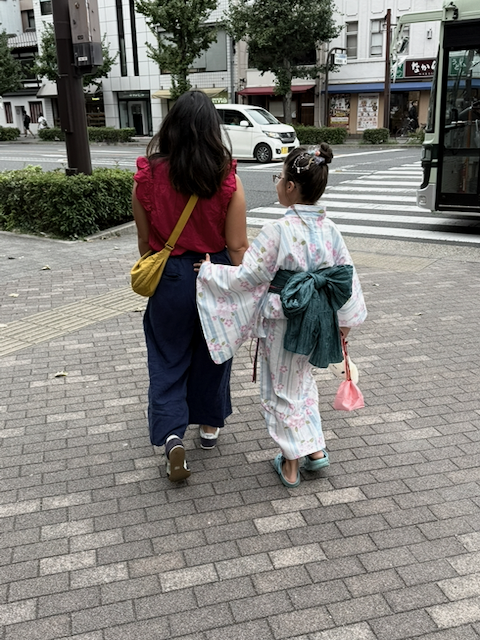
The crowd’s excitement grew as the children’s mikoshi passed by, and behind them, the men’s mikoshi followed with incredible energy. When they departed from Seimei Shrine, the air was alive with spirit and power.
What stayed with me most was the pride of Kyoto’s people: their ability to preserve centuries-old traditions while living fully in the present. I truly hope these beautiful traditions continue for generations to come.
✂️ My Most Important Tool: Scissors
Do you have a tool that’s essential for your work? As an ikebana practitioner, for me it’s my scissors.
I own two pairs: one from fifteen years ago, when I first began practicing ikebana, and another, much newer, pair. The new ones are sharper, but I still love my old pair. Their worn handles carry the weight and memory of countless arrangements.
Recently, I asked my teacher how often she replaces hers. She smiled and said, “Never. I sharpen them.” She takes them to a traditional Japanese hardware shop that still honors craftsmanship. “Look for a sign that says ‘sharp blade,’” she told me. “They’ll know exactly how to care for florist scissors.”
Once, she tried a mobile sharpening van and immediately regretted it: the scissors came back too stiff, their balance lost. The man had even banged them on the ground! Ever since, she’s trusted only that one shop.
Her story reminded me that tools have lives of their own. They’re not disposable; they’re companions. It made me want to care for mine more intentionally, to keep them sharp for years to come.
What about you? What is your most important tool? Is there one that holds your work’s spirit?
🌿 No Kenzan? No Problem!
When people imagine ikebana, they often picture a kenzan (剣山), a spiked base to anchor flowers. But you don’t always need one!
You can create a Nageire-style arrangement using only a tall vase, patience, and an understanding of balance.
Let's try it together!
🌸 My Flower Recipe
Flowers we'll use
- Willow
- Chrysanthemum
Steps
You can follow along with this video as well as the steps below.
Step 1: Fill the vase with water.
Almost to the top—your stems need support and freedom to move.
Step 2: Add your first stem.
Choose a strong, solid one. Cut the stem diagonally (but not too sharp an angle). Rest the cut edge against the inner wall of the vase for stability.
Step 3: Add your focal flower.
Something large and expressive. This becomes the heart of your arrangement. Again, cut diagonally and place it so it touches the inside wall of the vase.
Step 4: Add a supporting stem.
Slightly smaller, angled differently, but touching the vase wall. These three—long, middle, short—create the foundation.
Step 5: Fill out the arrangement.
After your arrangement's backbone is set, add smaller flowers or greenery. Be sure to place them into the same cluster area for balance and harmony.
Bend flexible stems like willow to create natural movement. In the video, you’ll see I gently bend and massage the willow branch to create natural movement—it’s a flexible and graceful material.
At the end, make sure the mouth of your vase isn’t completely stuffed with flowers. Leave a little open space—that’s part of ikebana’s beauty.
If your stems won’t stay in place
If your arrangement still feels unstable, try these tips.
Tip 1
Make sure all stems crisscross and gather in one place inside the vase. A dense cluster of stems helps support each other.
🔑 Key point: Make a cluster inside the vase!
Tip 2
Adjust angles until they find balance. Sometimes the right angle takes a few tries.
🔑 Key point: You can try again until it feels right!
...And if all else fails, whisper gently: “Stay, stay, stay.” ✨
🌾 Nageire Style
Nageire is a traditional Ikebana style that doesn’t require a Kenzan or other tools. But it does require patience, focus, and an observant eye.
You need to feel where each stem wants to be and let it find its balance. You can’t force the flowers to stay; you have to wait and watch.
Usually, this style is taught after learning the basics, but anyone can enjoy trying it with practice. It’s both a challenging and deeply mindful way to connect with your flowers.
Please share your Nageire-style Ikebana with me! I’d love to see what you create. 🌿
Closing
Thank you for reading this edition of the HanaYou Ikebana Journal.
If you enjoyed it, please share your thoughts or photos. I’d love to include reader creations in future issues.
Until next time, may your days feel as balanced as a well-placed stem.
With gratitude,
Ryoko