
Aoi Matsuri in Kyoto and the Beauty of Spring Greenery
Discover how Kyoto’s Aoi Matsuri connects sacred plants, seasonal beauty, and ikebana through one of Japan’s oldest festivals.
Get the HanaYou Ikebana Journal in your inbox.
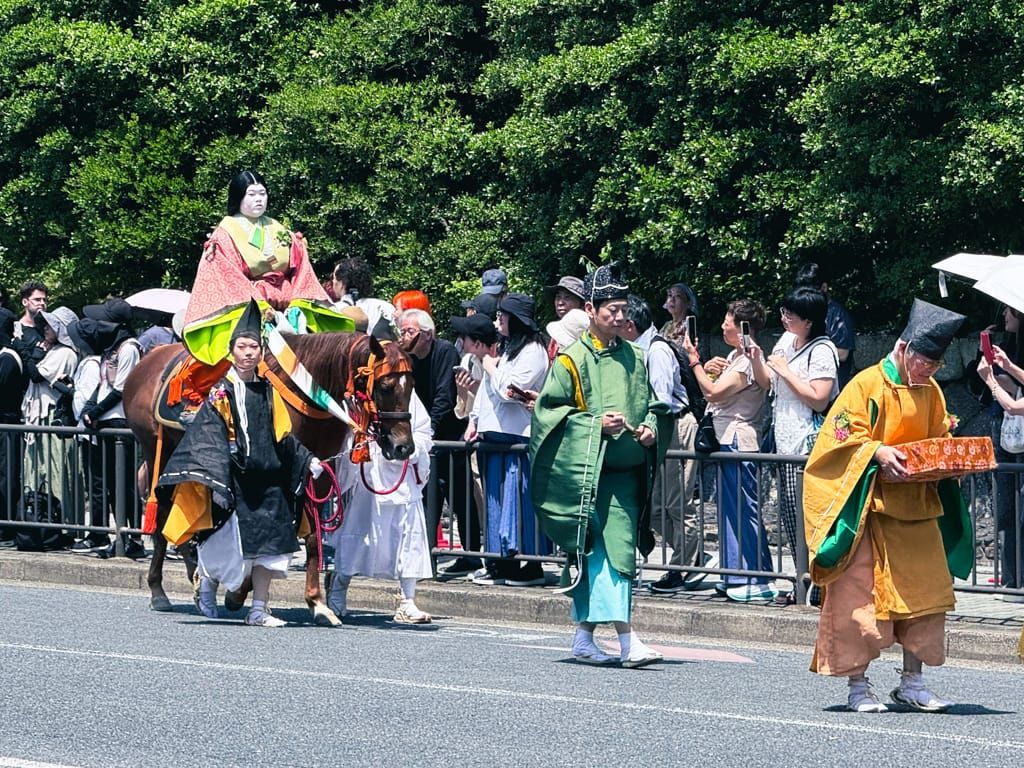
Last Friday, some friends from New York came to visit us in Kyoto. Together, we went to see Aoi Matsuri, one of Kyoto’s three major festivals.
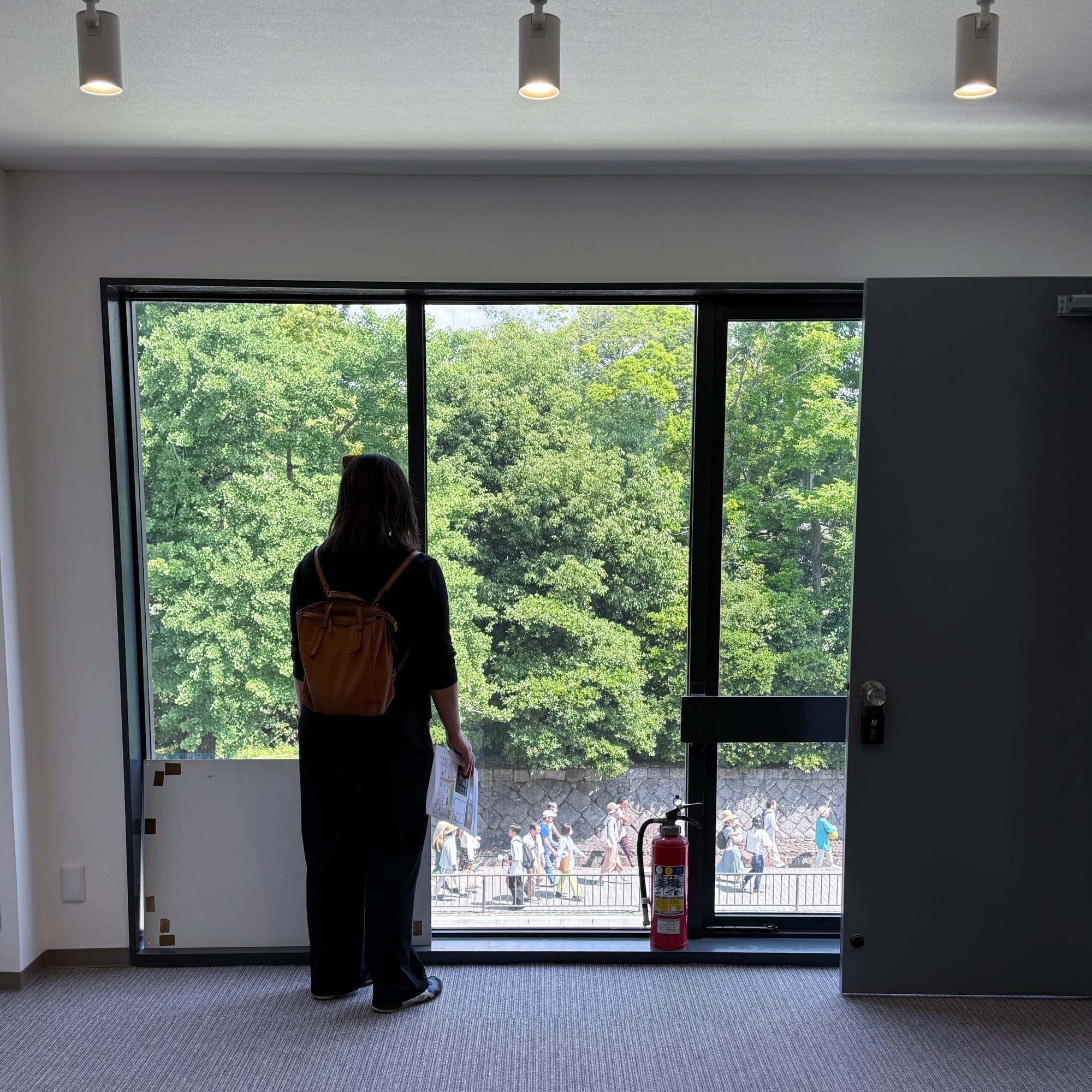
That very same morning, I was looking at possible new ikebana class spaces here in Kyoto. One potential space I visited is directly across from Kyoto Gyoen, the old imperial palace grounds. During my tour of the space, I stood by the window looking out across to the trees in Gyoen and the gathering crowd below, and suddenly felt how much our life here is slowly taking root.
An hour later, we stood at street level together with our friends along Marutamachi Street watching Aoi Matsuri exit the palace gardens and pass by.
The Aoi Matsuri festival, formally called Kamo Matsuri, is held every year on May 15th by Shimogamo Shrine and Kamigamo Shrine. Its origins are said to go back around 1,500 years, when rituals were performed to pray for protection from epidemics, storms, and poor harvests.
Along with Gion Matsuri in July and Jidai Matsuri in October, Aoi Matsuri is one of Kyoto's three major festivals, and is generally considered to be the oldest among them.
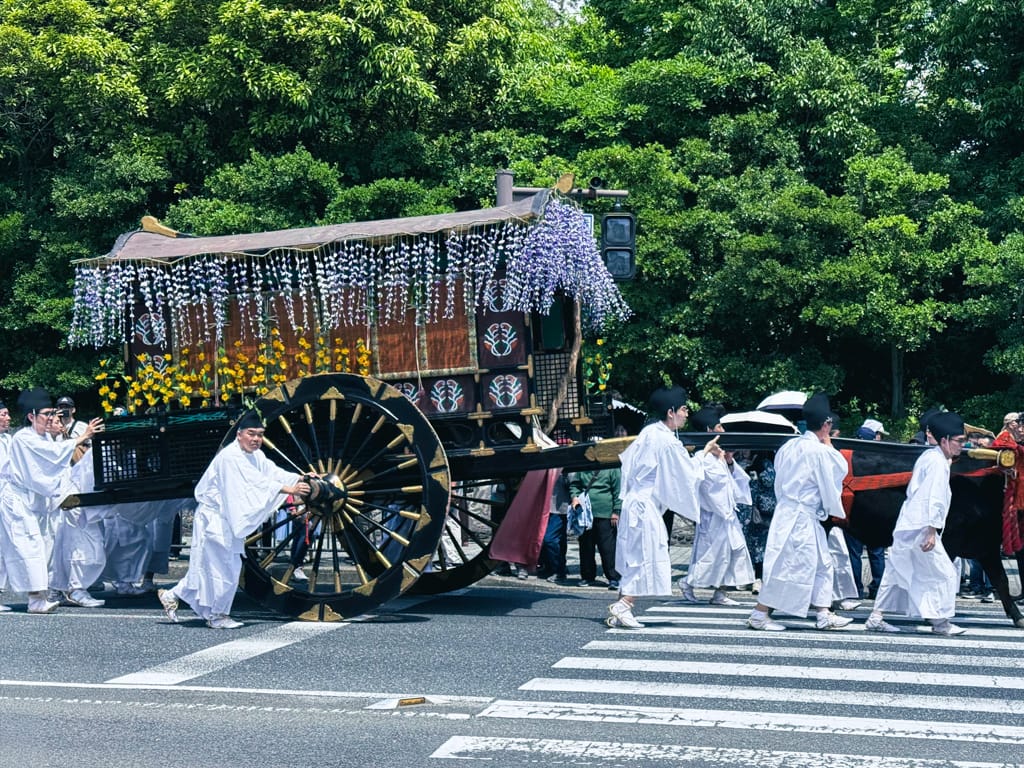
Today, hundreds of people dressed in Heian-period clothing take part in the procession from the Kyoto Imperial Palace to the two shrines. Horses, ox-drawn carriages, musicians, and attendants move slowly through the city in a scene that feels an old painting coming to life.
The beauty of the clothing is impressive, but plants are at the heart of this festival.
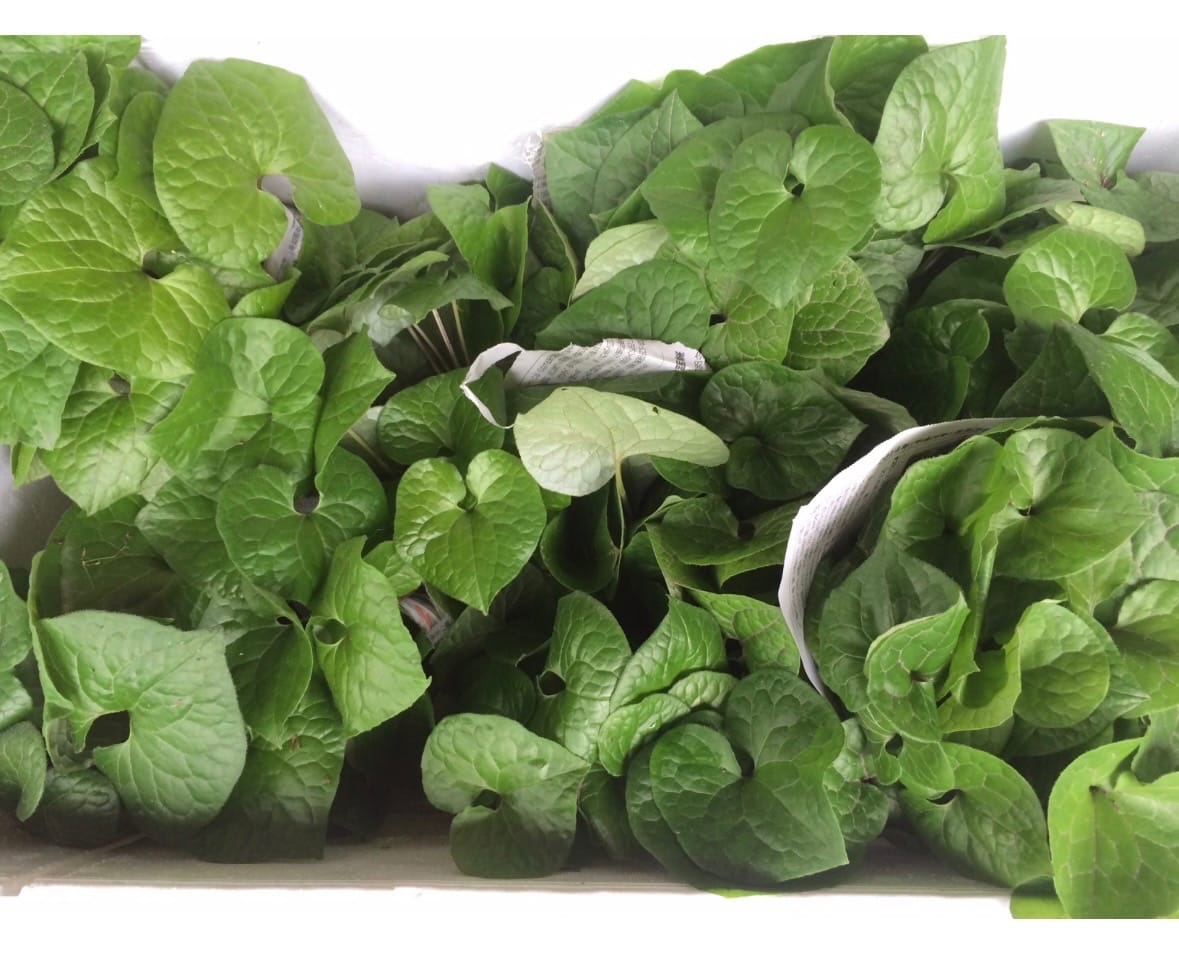
In English, Aoi Matsuri is sometimes called the “Hollyhock Festival,” but the plants used in the festival today are actually connected to futaba-aoi, a small wild plant with soft heart-shaped leaves. The leaves are combined with katsura branches to create decorations called aoi-katsura, which are attached to clothing, umbrellas, ox carts, and carriages throughout the procession.
Even though thousands of people gather to watch the procession, the atmosphere of Aoi Matsuri feels calm and measured rather than loud. You hear the quiet rhythm of footsteps moving through Kyoto. The strongest sound is the ghostly squeal of the wooden cart wheels.
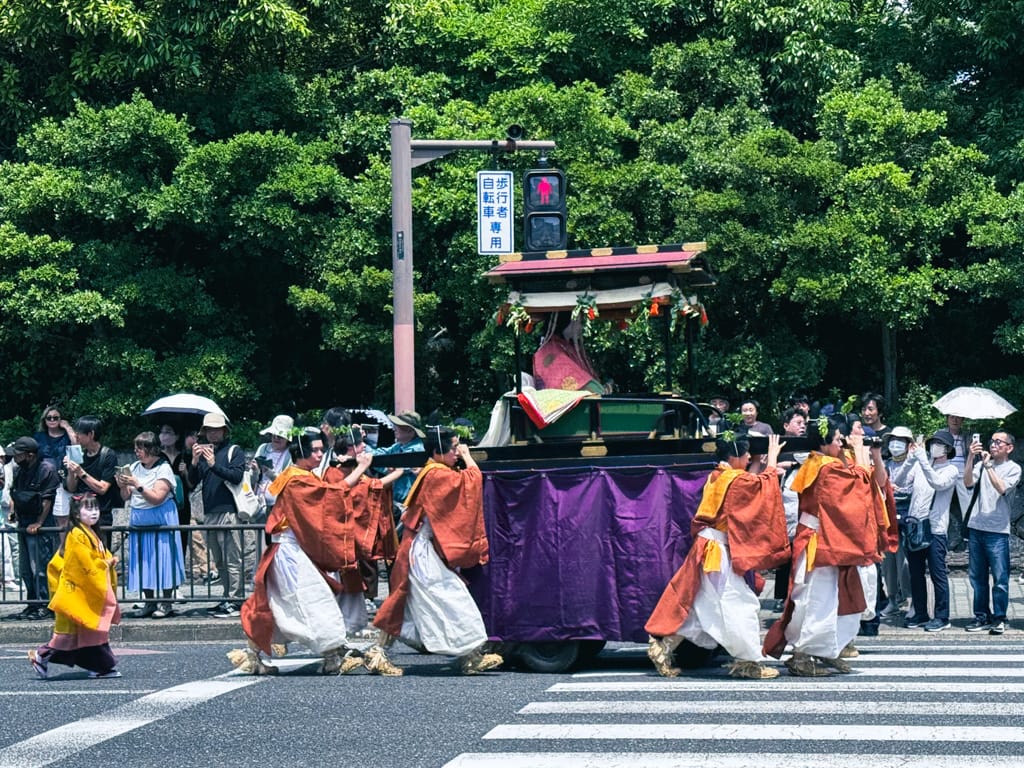
It was a lot of fun to experience this festival with our friends' family. Living life in Kyoto, it can sometimes become easy to forget to make time for some of these traditions. Talking about what we were seeing in the procession reminded me again how deeply Kyoto’s culture and history go, and how connected it is to seasonality, plants, and quiet observation.
And perhaps that is one reason ikebana continues to feel so natural in Kyoto.
Flowers and branches are not separated from daily life or spiritual life. They are part of how people notice the passing of seasons and express gratitude for nature.
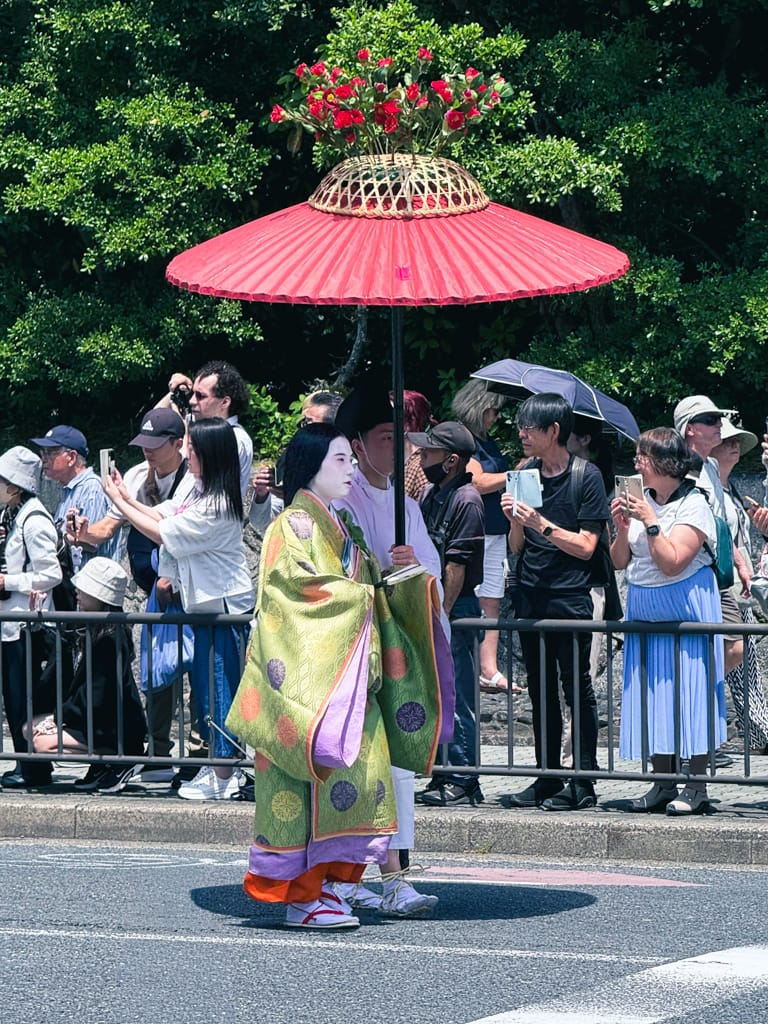
If you're in Kyoto during Aoi Matsuri, it's worth it to make some time to observe for yourself, maybe making a half day out of by exploring Kyoto Gyoen after the procession.
And if you would like to experience Japanese floral culture more directly, HanaYou offers beginner-friendly ikebana workshops in Kyoto with English or Japanese guidance. Together, we create arrangements using seasonal materials while learning to observe the quiet beauty of plants more carefully.
Thank you, as always, for reading the HanaYou Ikebana Journal.
With gratitude,
Ryoko